


Why Add Seeds to Your Batters?
In the quest for healthier meals, simple modifications can make a significant difference. Seeds such as flax, chia, pumpkin, and sunflower are nutritional powerhouses packed with protein, fibre, and healthy fats. Adding them in powdered form to your daily
meals is an effortless way to enhance their nutritional profile. Protein is essential for muscle repair, energy, and feeling full longer, which can help with weight management. By incorporating seed powders into thalipeeth and dosa batters, you are enriching staple foods with vital nutrients, making every bite count towards better health without drastic changes to your diet.
Your Guide to High-Protein Seeds
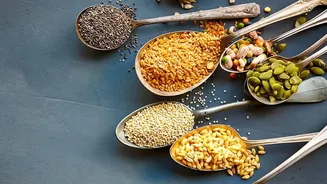
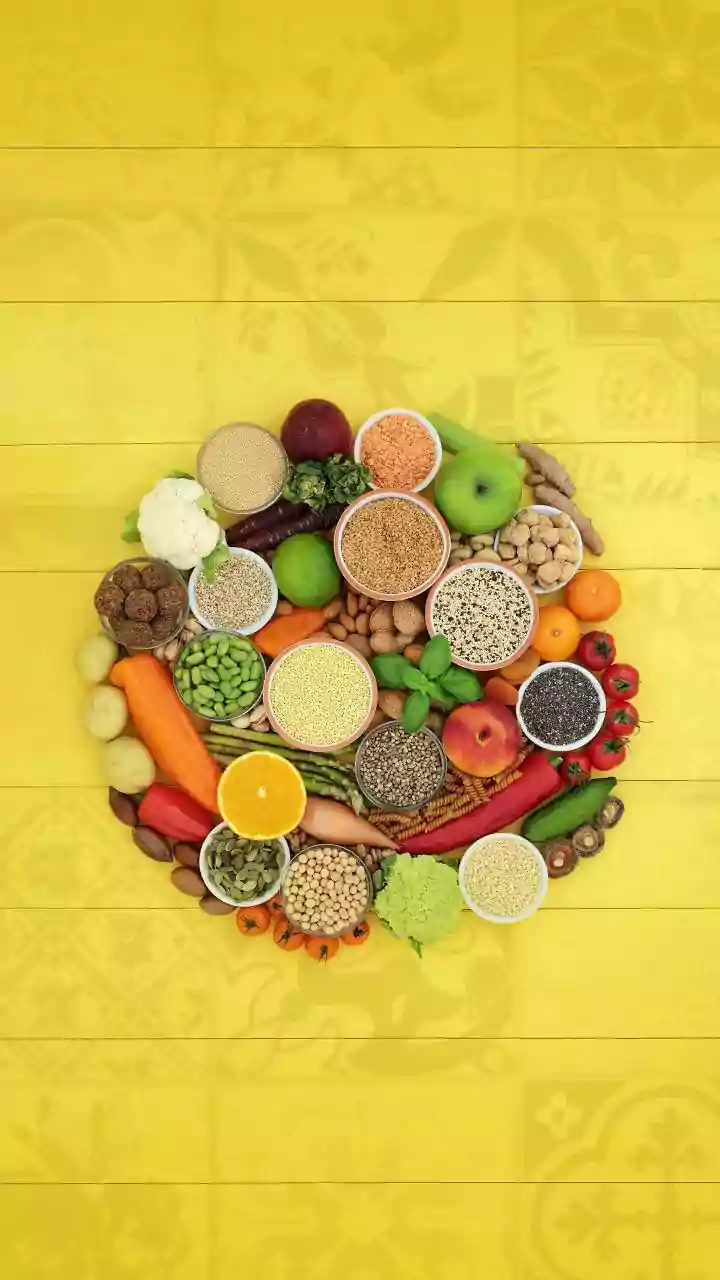
Not all seeds are created equal when it comes to protein. Here are some of the best choices to power up your batters: Pumpkin Seeds: A top contender, pumpkin seeds are rich in protein, magnesium, and zinc. They have a mild, nutty flavour that blends well in savoury dishes. Hemp Seeds: Offering a complete protein with all nine essential amino acids, hemp seeds are a nutritional champion. They have a slightly earthy taste. Sunflower Seeds: These seeds are a great source of protein, vitamin E, and healthy fats. Their flavour is mild enough not to overpower the traditional taste of your dishes. Flax Seeds: Known for their high content of omega-3 fatty acids and fibre, flax seeds also provide a decent protein boost. They can act as a binding agent, which can be useful in many recipes. Chia Seeds: Like flax, chia seeds are celebrated for their fibre and omega-3s, in addition to being a complete protein. They absorb liquid and can help thicken batters. Sesame Seeds: A staple in Indian cooking, sesame seeds offer a good amount of protein along with calcium and a distinctive nutty taste.
How to Prepare Your Seed Powder
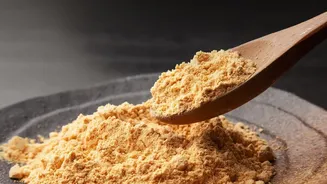
Making your own seed powder is simple and ensures freshness. Start by lightly dry-roasting the seeds in a pan on low-to-medium heat for a few minutes until they become fragrant. This step enhances their flavour and removes any moisture, which extends the powder's shelf life. Be careful not to burn them. Allow the seeds to cool completely before grinding. Use a spice grinder, coffee grinder, or a powerful blender to grind them into a fine or slightly coarse powder, depending on your preference. For seeds like flax and chia, grinding makes their nutrients more accessible to your body. Store the powder in an airtight container in a cool, dry place for a few weeks.
Tips for Protein-Rich Thalipeeth
Thalipeeth is already a nutritious multigrain flatbread, often made from a flour mix called 'bhajani'. To elevate its protein content further, simply add your prepared seed powder to the flour mix before kneading the dough. A good starting point is to add 2-3 tablespoons of seed powder for every cup of thalipeeth flour. You can use a single seed powder or a mix of several. Flaxseed meal or pumpkin seed powder are excellent choices that integrate seamlessly. The powder will absorb some moisture, so you might need to add a little extra warm water to achieve a soft, pliable dough. The seeds add a subtle richness and can improve the texture.
Enhancing Your Dosa Batter
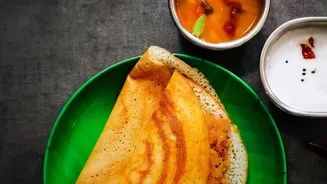
Adding seed powder to dosa batter is just as easy. For best results, mix the powder into the batter after it has fermented. If you add it before, the seeds, especially water-absorbing ones like flax and chia, could affect the fermentation process by making the batter too thick. A general guideline is to add about 2-3 tablespoons of seed powder per cup of batter. If you use flax or chia seed powder, be prepared for the batter to thicken. You may need to add a little water to get back to that perfect, spreadable consistency. Quinoa and milled flax seeds are known to work well, contributing to a crispier texture and a deeper colour.