




The Five-Minute Triage
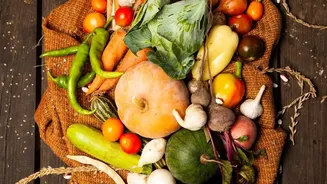
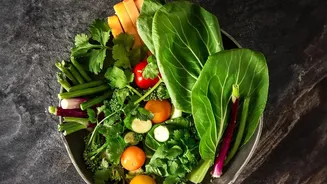
The moment your produce box arrives, unpack it completely. This prevents delicate items on top from crushing anything below and stops heat from a hot car from causing damage. Create a simple sorting system based on the principle of "First In, First Out"
(FIFO), a method used in professional kitchens to ensure older items are used before newer ones. Separate your produce into three categories: use immediately, use mid-week, and long-lasting. This quick sort will be your roadmap for the week, instantly telling you what to prioritise. It's also the time to separate root vegetables from their leafy green tops; storing them together causes the root to lose moisture faster.
Priority One: The Delicate Items
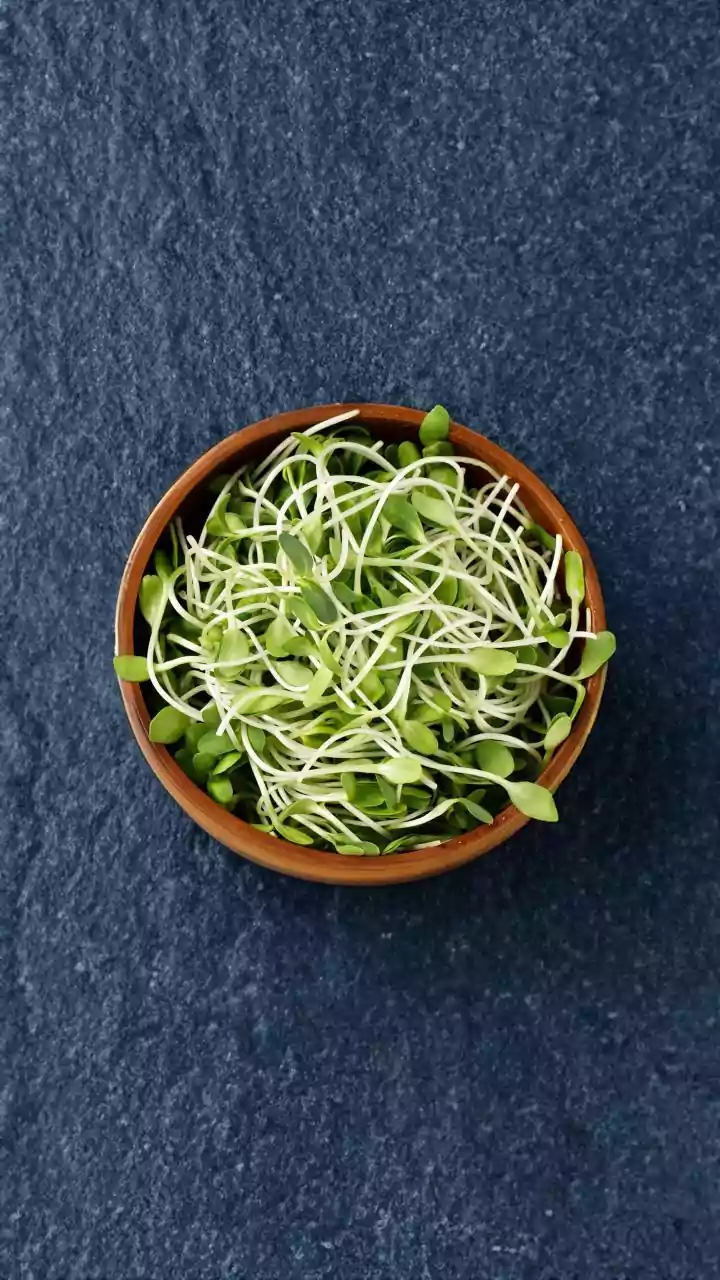
Delicate leafy greens, fresh herbs, and berries have the shortest shelf life and should be your top priority. Items like spinach, lettuce, arugula, and fresh herbs like basil and cilantro will wilt quickly. To extend their life, proper storage is crucial from day one. For leafy greens, wash and thoroughly dry them using a salad spinner. Excess moisture is the primary cause of slimy leaves. Once completely dry, store them in a sealed container lined with a paper towel to absorb any extra condensation. For soft herbs like parsley and cilantro, trim the stems and place them upright in a jar with an inch of water, covering them loosely with a plastic bag in the fridge.
Next Up: The Mid-Week Workhorses
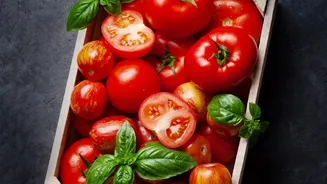
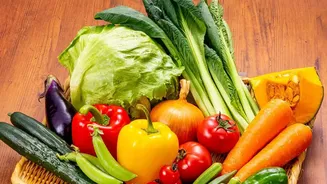
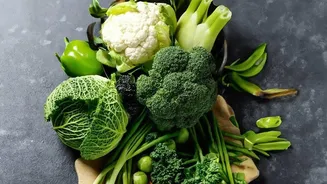
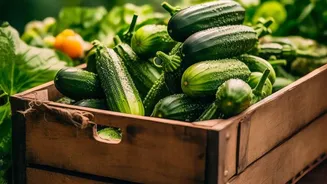
This category includes vegetables that are still perishable but less fragile than leafy greens. Think broccoli, cauliflower, cucumbers, bell peppers, and summer squash. While more robust, they still benefit from proper refrigerator storage. Most of these vegetables do best in the high-humidity crisper drawer to prevent them from drying out. Store them in perforated plastic bags or containers to allow for some air circulation. Avoid washing these items until you are ready to use them, as moisture can accelerate spoilage. Tomatoes are a notable exception; they should be stored on the counter away from sunlight until ripe, as refrigeration can make them mealy and dull their flavour.
Last But Not Least: Pantry All-Stars
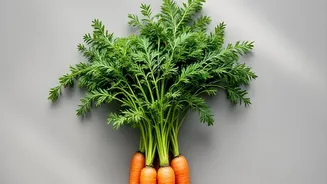
Hardy vegetables are your friends for the end of the week and beyond. This group includes root vegetables like potatoes, sweet potatoes, carrots, and beets, as well as onions, garlic, and hard winter squashes like butternut or acorn squash. These items should be stored in a cool, dark, and dry place like a pantry or cellar, not in the refrigerator. Onions, garlic, and potatoes should be kept in a well-ventilated space. Carrots and beets, once their greens are removed, can last for several weeks. These long-haul heroes provide a reliable base for meals long after the delicate greens are gone.
Managing Open Packs and Leftovers
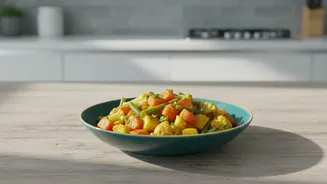
An open bag of salad greens or a half-used bell pepper requires a specific strategy. For partially used bags of greens, slip a dry paper towel directly into the bag to absorb moisture, which is the main cause of wilting and spoilage. Reseal the bag, pressing out as much air as possible. For cut vegetables like onions, peppers, or cucumbers, store them in airtight containers in the fridge and plan to use them within a day or two. Wrapping the cut surface of a cucumber or squash can also help. Adopting a "use it up" mindset for these items is key; consider a weekly frittata or a mixed vegetable soup to clear out any odds and ends before your next box arrives.
The Prep and Store Strategy
A little prep work upfront can make a huge difference. While some items shouldn't be washed until use, washing and drying greens and herbs immediately makes them ready to eat and more likely to be used. You can also pre-chop sturdy vegetables like carrots, celery, and bell peppers and store them in airtight containers. This makes them perfect for quick snacks or easy additions to weeknight dinners. Storing carrots and celery sticks in a container of water can keep them crisp for weeks. Limp vegetables, like slightly wilted celery or carrots, can often be revived by soaking them in a bowl of ice water for about 10-15 minutes.