



The Social Media Spark
The comeback story of cottage cheese begins, like many modern food trends, on social media. Around 2023, wellness influencers and food creators on platforms like TikTok and Instagram began showcasing the lumpy cheese in a new light. They weren't just
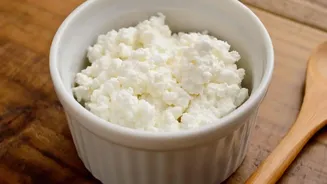
pairing it with pineapple; they were transforming it. Viral videos demonstrated how blending cottage cheese creates a smooth, creamy, protein-packed base for countless dishes, from ice cream to pasta sauce. This social media frenzy helped it shed its dated image, rebranding it for a new generation focused on balanced, nutrient-dense eating. The hashtag #cottagecheese has now been used hundreds of thousands of times, proving that this is a sustained trend, not just a fleeting moment.
A Nutritional Powerhouse
Behind the viral recipes is a solid nutritional profile that gives the trend staying power. Cottage cheese is celebrated for being packed with high-quality protein. A single half-cup serving can contain around 12 grams of protein, often more than other popular cheeses. This protein is predominantly casein, which digests slowly, helping you feel full for longer and making it a favourite among fitness enthusiasts. It's also a fantastic source of essential nutrients like calcium, phosphorus, and vitamin B12, which are vital for bone health and energy production. For health-conscious consumers looking to increase their protein intake without significantly increasing calories or fat, cottage cheese has become an ideal solution.
Sweet and Savoury: A Blank Canvas
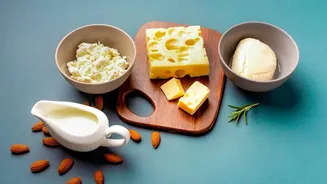
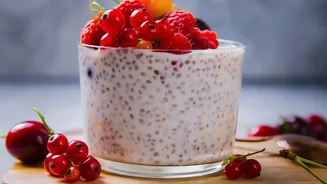
The core of the cottage cheese boom is its incredible versatility. Its mild, slightly tangy flavour doesn't overpower other ingredients, making it a true kitchen chameleon. On the sweet side, blended cottage cheese is being used to create high-protein desserts like mousse, 'cheesecake' bowls, and even ice cream when mixed with frozen fruit and a touch of sweetener. It can also be whipped into pancake and waffle batter for a protein-rich breakfast. In the savoury realm, its uses are just as creative. It serves as a creamy, lower-fat substitute for ricotta in dishes like lasagna, a base for herby dips, and a way to add richness to alfredo-style pasta sauces or even queso. Another popular trend is simply spreading it on toast and topping it with everything from avocado to hot honey.
The Texture Transformation
For years, the biggest hurdle for many potential cottage cheese fans was its distinct lumpy texture. The game-changer has been the popularisation of whipping or blending it. By blitzing it in a blender or food processor, the curds transform into a silky-smooth, spreadable cream, similar in consistency to Greek yoghurt or sour cream. This simple trick has opened the door for a wave of new recipes where the protein and creaminess are welcome, but the original texture is not. It allows the cheese to be covertly added to dishes, boosting nutrition without altering the texture in an obvious way, winning over even the pickiest eaters.
The Indian Context
In India, where paneer has long been the dominant fresh cheese, cottage cheese is finding its own niche. While distinct from paneer, its rise aligns with a growing demand for protein-rich and convenient foods, particularly in urban areas. The Indian cottage cheese market is projected to see steady growth, expanding from a value of over USD 189 million in 2025. As consumers become more experimental, cottage cheese offers a different texture and application. It can be used in high-protein smoothies, as a creamy base for dips served with Indian breads and snacks, or even as a lighter, spreadable alternative to processed cheese in sandwiches. Major dairy players in India are part of this growing market, signalling a rising interest in this versatile dairy product.