



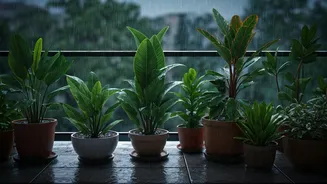


The Overwatering Myth
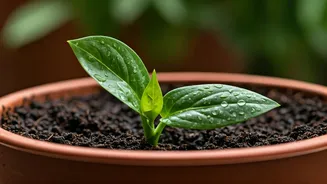
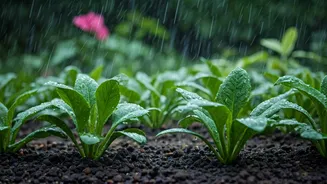
The single biggest mistake in monsoon gardening is overwatering. With daily rains, the soil often remains saturated. Your usual watering schedule must be paused. Before you even think of reaching for the watering can, check the soil. Stick your finger
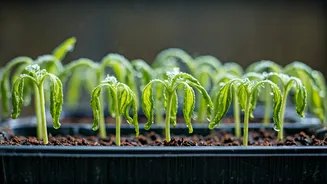
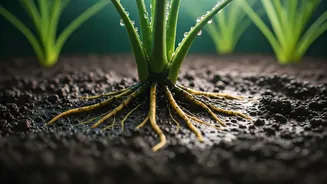
about an inch or two deep; if it feels moist, your plants do not need more water. Adding more water to already wet soil suffocates the roots, cutting off their oxygen supply and leading to one of the most common monsoon plant killers: root rot. Symptoms of overwatering can be deceptive, including wilting and yellowing leaves, which might make you think the plant is thirsty when it's actually drowning.
Drainage is Your Best Friend
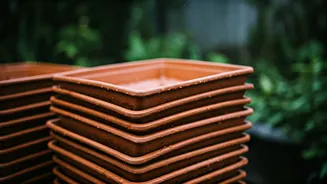
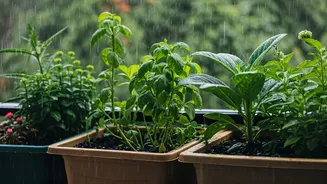
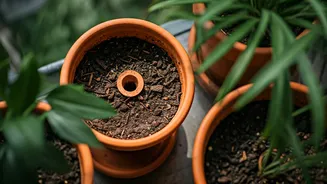
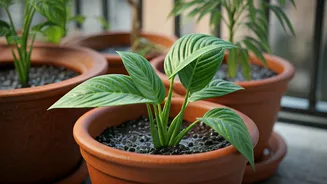
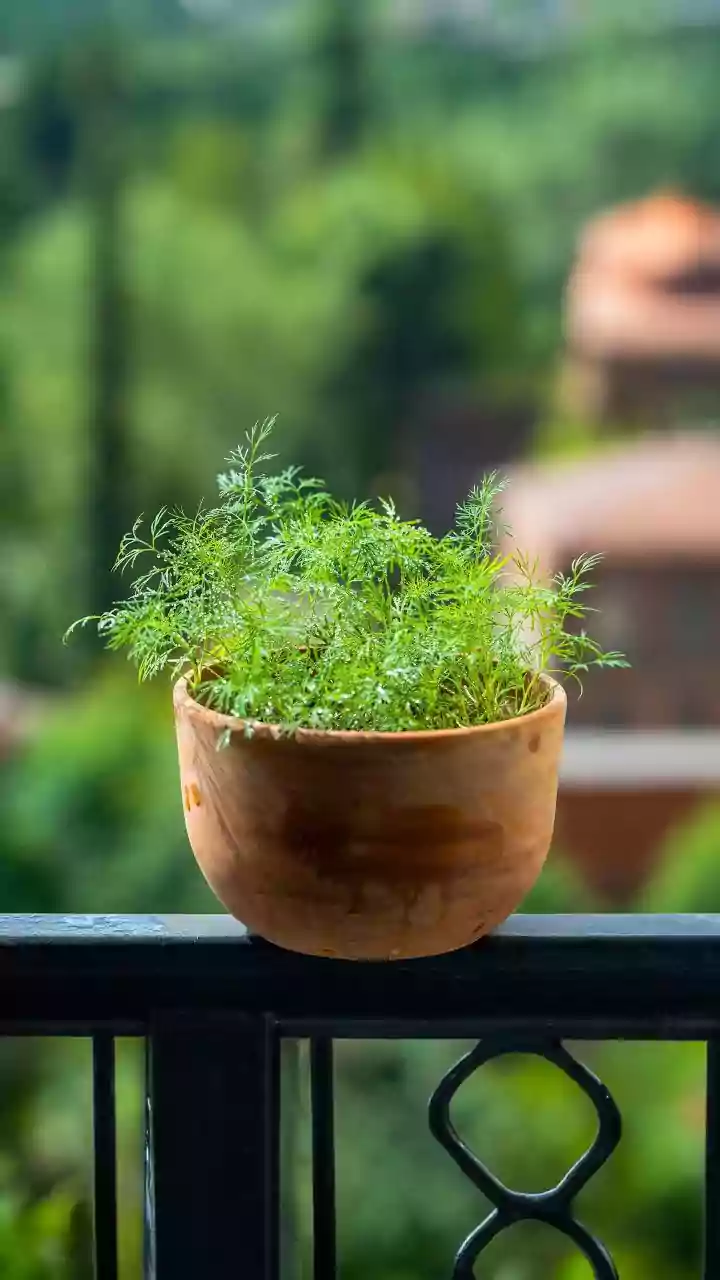
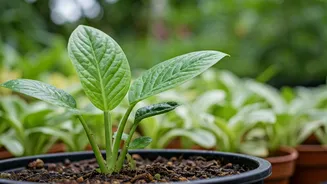
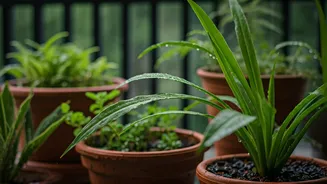
To combat waterlogging, excellent drainage is non-negotiable. For potted plants, ensure every container has multiple drainage holes. Elevating pots on bricks or stands can also help water escape freely. If you're planting in beds, consider creating raised mounds or digging shallow channels to guide excess water away. The right soil mix is equally crucial. Avoid using dense garden soil alone in containers. Instead, create a porous mixture using garden soil, compost, and materials like cocopeat or sand to improve aeration and prevent compaction. Terracotta pots are a better choice than plastic during the monsoon, as their porous nature helps absorb excess moisture.
The Rise of Pests and Fungi
High humidity and constant moisture create a paradise for pests and fungal diseases. Slugs, snails, aphids, and whiteflies multiply rapidly in these conditions. Fungal issues like powdery mildew, anthracnose, and root rot become rampant. Regular inspection is your primary line of defense. Check the undersides of leaves, stems, and the soil surface for any signs of trouble. To improve air circulation and reduce the risk of fungal growth, prune overcrowded plants and remove any dead or yellowing leaves promptly. For pest control, organic solutions like a neem oil spray can be highly effective against common pests like aphids and whiteflies without harming beneficial insects.
Nutrient Management in Wet Soil
Heavy and continuous rain can wash away essential nutrients from the soil, a process known as leaching. This can leave your plants hungry, even when they look lush and green. However, fertilizing during the monsoon requires careful timing. Applying fertilizer, especially chemical ones, to already soaking wet soil can risk burning the roots or having it wash away before the plant can absorb it. The best approach is to fertilize during a dry spell or after a light rain when the soil is moist but not waterlogged. Opt for organic options like compost or vermicompost, which release nutrients slowly and also improve soil structure. A layer of organic mulch can also help prevent soil erosion and nutrient loss.
Provide Physical Support
Monsoon winds and the weight of rainwater can be harsh on plants, especially those with tall, slender stems or heavy foliage. Vining plants and top-heavy flowering shrubs are particularly vulnerable to bending and breaking. Provide support by using stakes, trellises, or cages to keep them upright. This not only prevents physical damage but also improves air circulation around the base of the plant, further reducing the chances of disease. Regularly check on these supports to ensure they are secure and not constricting the plant's growth.