

A Winter Power Couple
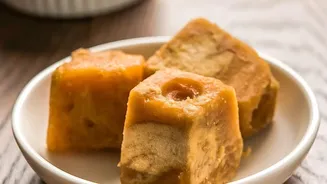
The practice of eating sesame and jaggery during winter is deeply rooted in both culture and science. According to Ayurveda, both ingredients are considered to have warming properties, making them ideal for combating the cold. Sesame seeds are a powerhouse
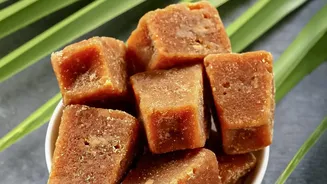
of nutrients, including healthy fats, protein, calcium, and iron, which provide sustained energy and strength. Jaggery, an unrefined sugar, offers a quick energy boost and contains minerals like iron and magnesium. Together, they create a synergistic effect, helping to boost immunity, aid digestion, and keep the body warm from within, protecting it from seasonal ailments like colds and coughs.
The Sweetness of Tradition
This combination is most prominent during winter harvest festivals like Makar Sankranti and Lohri. In Maharashtra, the saying 'tilgul ghya, god god bola' (eat sesame and jaggery, and speak sweetly) accompanies the exchange of these sweets, symbolizing goodwill and the mending of relationships. The tradition reflects a practical understanding of seasonal nutrition that has been passed down through generations. Both sesame and jaggery are harvested in the winter months, making them fresh and abundant for these festive preparations.
Til Ke Laddu: The Classic Round Delight
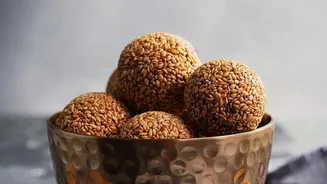
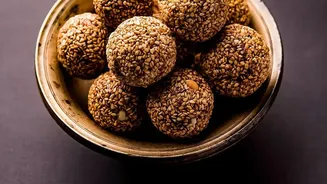
Perhaps the most iconic til-gur creation is the Til Ke Laddu. These bite-sized spheres are a staple in many Indian homes during winter. They are simple to make, requiring just a few key ingredients. The process involves dry-roasting white sesame seeds until they become aromatic and release their nutty flavour. Separately, jaggery is melted into a thick, bubbling syrup. The roasted sesame seeds are then quickly mixed into the hot syrup, often with a touch of ghee and cardamom for fragrance. While the mixture is still warm, it is quickly rolled into small balls. The result is a chewy, nutritious, and satisfying sweet that provides an instant burst of energy.
Gajak and Chikki: Brittle and Crisp
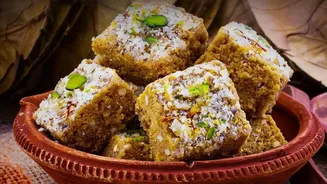
While similar in ingredients, Gajak and Chikki offer a different textural experience. Chikki is a simpler brittle, often made with peanuts or sesame seeds, where the ingredients are bound in a hard jaggery syrup and rolled out into thin sheets. It’s known for its satisfyingly crunchy texture. Gajak, particularly famous in northern regions like Rajasthan and Madhya Pradesh, is a more elaborate sweet. Its preparation is an art, involving stretching and folding the sesame and jaggery mixture multiple times to create a flaky, layered, and exceptionally crisp texture. Though both are winter favourites, Gajak is often considered a more delicate and refined confection.
Making Your Own Winter Warmth
Preparing these sweets at home is a rewarding experience. For a basic Til Ke Laddu, start by roasting one cup of sesame seeds. In a separate pan, melt about half to three-quarters of a cup of grated jaggery with a tablespoon of water or ghee until it forms a thick, soft-ball consistency syrup. Turn off the heat, immediately add the roasted seeds and a pinch of cardamom powder, and mix well. Grease your palms with a little ghee or water and, while the mixture is still warm, carefully shape it into small laddus. Remember to work quickly, as the mixture will harden as it cools. Store them in an airtight container for a ready supply of winter warmth.