


Why You Shouldn’t Waste the Peel
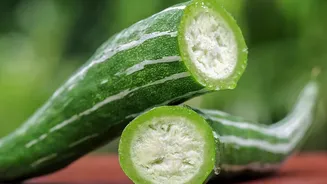
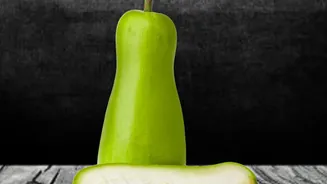
In the quest for a zero-waste kitchen, the humble lauki, or bottle gourd, offers a surprising opportunity. Its peel, often discarded, is not only edible but also packed with nutrients. The skin is a good source of dietary fibre, which aids digestion and
promotes gut health. It also contains essential vitamins and minerals, including vitamin C and potassium. Beyond the health benefits, using the peel is a fantastic way to minimise food waste and get the most value from your vegetables. It introduces a unique, slightly earthy flavour and a satisfyingly firm texture to dishes when prepared correctly, making it an ideal candidate for creative snacks like kebabs.
The Art of Preparing the Peels
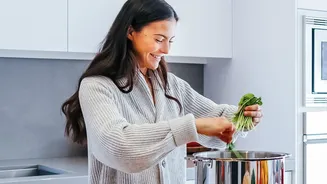
The most crucial step to a great bottle gourd peel kebab is proper preparation. Start by thoroughly washing the bottle gourd before peeling. For the best texture, use peels from a tender, bright green lauki. Once you have your peels, you need to soften them. You can do this by finely chopping or grating them and then boiling them in water for about five to seven minutes, or until they become tender. After boiling, it is absolutely essential to drain them and squeeze out as much excess water as possible. A dry mixture is key to achieving a kebab that holds its shape and becomes crispy when cooked.
Building the Perfect Kebab Mix
With your prepared peels ready, it’s time to build the flavour. A binding agent is necessary to hold the kebabs together. Roasted gram flour (besan) is a classic choice, but you can also use breadcrumbs, coarse-ground oats, or even soaked chana dal that has been ground into a paste. To this base, add your aromatics and spices. Finely chopped onions, ginger-garlic paste, and green chillies form a flavourful foundation. For spices, a combination of coriander powder, cumin powder, turmeric, garam masala, and chaat masala or amchur (dry mango powder) for tanginess works wonders. Mix everything together thoroughly, but avoid adding salt until the very end, as it can draw out more moisture and make the mixture watery. If your mixture feels too wet, add a little more gram flour until it's firm enough to shape.
Cooking to Crispy Perfection
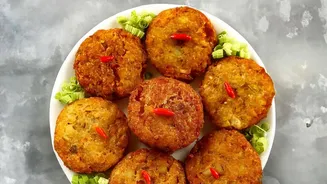
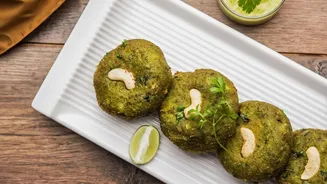
Once your kebab mix is ready, you can shape them into small, flattened patties or discs. For cooking, shallow frying is the most common method. Heat a non-stick pan with a few teaspoons of oil over a medium flame. Carefully place the kebabs in the pan, ensuring not to overcrowd it. Cook them on a medium-low flame until they are golden brown and crisp on one side before flipping. This gentle heat ensures they cook through without burning on the outside. Be careful when turning them, as they can be delicate. Once both sides are beautifully browned, remove them and place them on a plate. For a healthier alternative, you can also bake or air fry the kebabs until they are crisp and cooked through.
The Ultimate Chutney Pairing
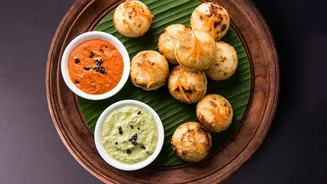
A great kebab deserves a great chutney. The earthy flavour of the bottle gourd peel pairs wonderfully with fresh, tangy, and spicy dips. A classic green chutney is an excellent choice. You can make one by blending fresh coriander and mint leaves with green chillies, ginger, garlic, and a squeeze of lime juice. Adding a little yogurt to your green chutney can create a creamier, cooling dip that balances the spice of the kebabs. Another fantastic option is a tangy tamarind chutney. Its sweet and sour notes cut through the richness of the fried kebab, creating a perfect balance of flavours. For a simple yet satisfying meal, serve the hot kebabs with your chosen chutney and some sliced onions.