



From Off-Season to On-Trend
For years, the monsoon in India (typically June to September) was considered the travel off-season. Tourists, both domestic and international, would shy away from the potential for torrential downpours, transport delays, and closed attractions. But a significant
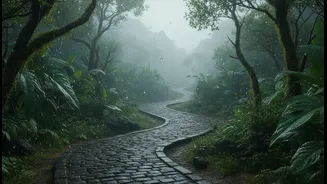
shift is underway. An increasing number of travellers are now purposefully seeking out the magic of a rain-drenched landscape. This change is driven by a move away from packed itineraries and towards experience-led travel, where the goal is to connect with a place on a deeper level. The monsoon, with its fewer crowds, lower prices, and lush, rejuvenated scenery, provides the perfect backdrop for this new approach.
What Is Slow Travel, Really?
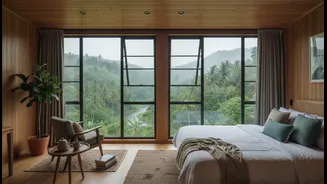
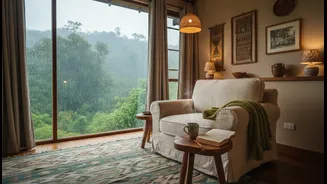
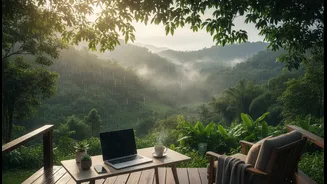
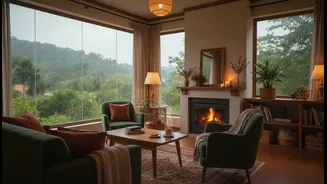
Slow travel isn't just about moving at a leisurely pace; it's a mindset. It prioritises connection over checklists. Instead of rushing between landmarks, a slow traveller might spend a week in a single village, learning to cook local dishes, exploring nearby trails, or simply reading a book on a veranda overlooking a misty valley. Recent data shows a growing preference for destinations that offer wellness, spirituality, and cultural immersion, which are the cornerstones of the slow travel movement. The focus is on being present, whether that’s in a homestay in Coorg, a wellness retreat in Kerala, or a quiet villa in the Goan hinterlands, far from the party scene. It’s about the quality of the experience, not the quantity of sights seen.
The Monsoon’s Unique Appeal
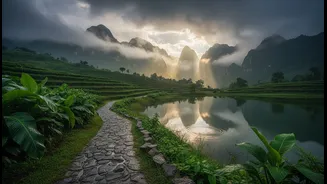
The rainy season offers a sensory experience that summer and winter cannot match. The smell of wet earth (petrichor), the dramatic, cloud-heavy skies, and the vibrant green that blankets the landscape create a deeply atmospheric setting. Waterfalls are at their most powerful, and the backwaters and lakes are full and brimming with life. In Ayurveda, the monsoon is considered an ideal time for rejuvenation and healing, as the cool, moist air is believed to make the body more receptive to therapies. This has spurred the popularity of monsoon wellness retreats offering everything from Panchakarma detoxes in Kerala to yoga in the misty hills of Rishikesh.
The Rise of the Monsoon Homestay
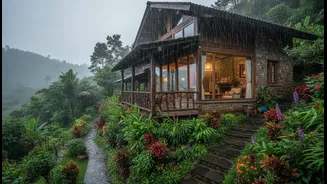
At the heart of the slow travel trend is the homestay. Ditching impersonal hotels for the warmth of a local’s home has become a preference for many travellers seeking authenticity. During the monsoon, this experience is amplified. With fewer tourists, hosts often have more time to interact with guests, sharing stories and home-cooked meals. Homestays in places like Panchgani, Kalimpong, and near Mandu are seeing a surge in demand during the rains. These stays become destinations in themselves, offering activities suited to the weather, such as pottery, gardening, or simply enjoying a cup of chai while watching the rain. This trend has also been a boon for rural economies, allowing local families to create sustainable, year-round income.
Embracing the Journey, Not Just the Destination
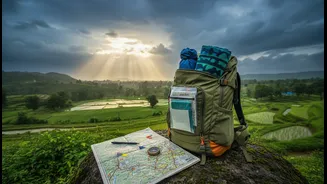
Popular destinations are being rediscovered through a slow travel lens. In Goa, tourists are exploring the quiet, emerald countryside instead of just the beaches. In Rajasthan, the lakes of Udaipur take on a romantic, tranquil quality amidst the rains, offering a more peaceful experience. The hill stations of the Western Ghats, like Lonavala and Mahabaleshwar, transform into misty wonderlands perfect for unhurried road trips where the journey itself is the reward. Even trekking is popular, with trails in the Valley of Flowers in Uttarakhand or to Dudhsagar Falls in Goa offering spectacular, rain-fed beauty. The key is a change in expectation: monsoon travel is about embracing flexibility and finding joy in the quiet moments the season provides.