





A Proactive Push for Onam 2026
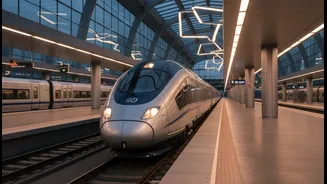
In early July, with the Onam festival still over a month away, Union Railway Minister Ashwini Vaishnaw announced that Indian Railways would operate more than 100 special trains to manage the festive rush to Kerala. This move is a significant departure
from the usual last-minute announcements. Southern Railway has already started notifying services, such as weekly specials between Mangaluru and Chennai Egmore, and Thiruvananthapuram and Tambaram, scheduled to run from July through September. The early announcements are intended to provide relief to the thousands of Keralites living in cities like Bengaluru, Chennai, and Hyderabad who travel home for the festival. Bookings for some of these services have already commenced, giving passengers a much-needed head start.
The Anatomy of Festival Chaos
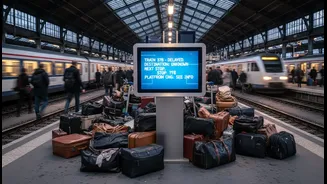
Anyone who has tried to book a train ticket during a major Indian festival knows the drill: crashing websites, endless waitlists, and the desperate scramble for Tatkal tickets. The problem is a complex logistical puzzle. Indian Railways has a finite number of rakes (train sets), crew (drivers, guards, and technical staff), and maintenance slots. During festival peaks, demand explodes, putting immense pressure on this infrastructure. Past festival seasons like Diwali and Chhath Puja have seen chaotic scenes, with overcrowded platforms and passengers risking unsafe travel conditions just to get home. Despite running thousands of special services, the sheer volume of last-minute travellers often overwhelms the system, proving that simply adding trains isn't always enough.
How Early Planning Changes the Game
Announcing special trains months in advance is a strategic move to flatten the demand curve. It gives the Railways crucial time to optimize resource allocation. Maintenance for the designated rakes can be scheduled without disrupting regular services. Crew rosters can be planned to avoid fatigue and ensure operational safety. Most importantly, it provides better data. By observing booking patterns well in advance, the Railways can gauge demand on specific routes more accurately. This allows for more effective deployment of additional services, augmenting popular trains with extra coaches, or even introducing new services where demand is highest. It transforms the operational approach from being reactive to proactive.
Tangible Benefits for Travellers
For passengers, the benefits are immediate and significant. The primary advantage is the ability to plan. With confirmed tickets in hand weeks or even months ahead, travellers can book their leave from work and coordinate with family without the underlying stress of an uncertain journey. This reduces the reliance on the Tatkal system, which is often a gamble. An early, confirmed booking also helps people avoid the exorbitant prices charged by airlines and bus operators who capitalize on the last-minute desperation of festival travellers. Ultimately, it brings a sense of predictability and calm to what is often a frenetic and anxious experience, allowing families to focus on the celebration ahead rather than the ordeal of getting there.
A Potential New Model for All Festivals
The success of this early planning model for Onam could set a new precedent for how Indian Railways manages festive rushes across the country. The same principles can be applied to other major festivals like Diwali, Chhath Puja, Durga Puja, and Pongal, which see similar, if not larger, migrations of people. By making advance announcements the new standard operating procedure, the Railways can systematically improve service delivery during its most challenging periods. This shift indicates a broader push towards more efficient, passenger-centric solutions that prioritize convenience and safety, ensuring that the journey home for a festival is as joyful as the festival itself.