



The High Cost of Travel Stress
According to the SITA 2026 Passenger IT Insights report, the stress of air travel is not just a personal burden; it's a significant commercial issue for the aviation industry. The survey, which polled nearly 8,000 travellers across 24 countries, delivered
a startling headline figure: 42% of passengers have decided against booking a trip specifically because they anticipated it would be too stressful. This isn't a niche problem affecting only nervous flyers. It's a mainstream phenomenon with a real impact on demand. Every cancelled or unbooked trip represents a lost opportunity—a seat that remains empty, a rental car not hired, and a hotel room left vacant.
Who is Most Affected?
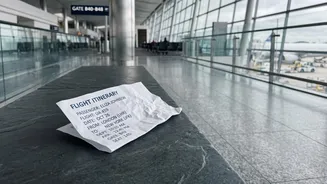
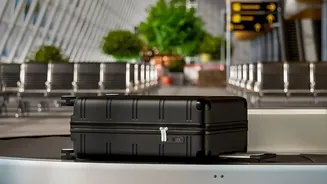
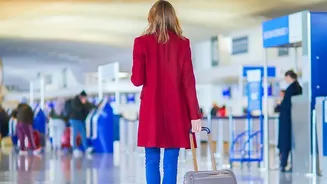
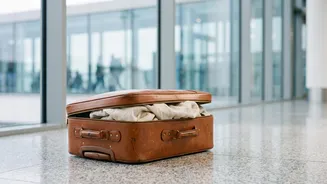
The survey data shows that airport anxiety disproportionately affects the industry's most valuable customers. A significant six in 10 frequent flyers admitted to walking away from a potential trip due to expected stress. This indicates that even seasoned travellers are growing weary of the operational hurdles. Furthermore, more than half of all travellers under the age of 30 have also bailed on a trip for the same reason. This is a critical warning sign for the industry, as this demographic represents the next generation of business and leisure travellers. The primary sources of this anxiety are consistent across the board: worries about flight delays, long queues at security and check-in, and the perennial fear of mishandled baggage.
The Paradox of Waiting
One of the most interesting findings relates to the time passengers spend in the terminal after clearing security but before boarding—often called 'dwell time'. For airports, this period is a crucial revenue driver, relying on passengers shopping and dining. However, the survey reveals that passenger anxiety during this phase has tripled since 2023, with a third of travellers now reporting feeling anxious. The uncertainty over gate changes, boarding times, and walking distances makes it difficult for passengers to relax. According to SITA's CEO, David Lavorel, passengers are calmest at check-in and boarding, stages where they often have clear information on their phones. The goal is to extend that sense of calm to the entire journey.
Passengers See Technology as the Solution
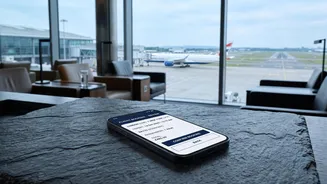
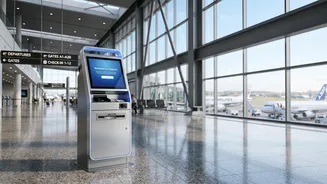
While stress is the problem, travellers overwhelmingly believe technology is the answer. Eight in 10 passengers surveyed think technology can make air travel less stressful. This belief is even stronger among the most affected groups, with 89% of frequent flyers and 86% of younger travellers confident that digital tools can help. The core issue identified by the SITA report is a lack of real-time information. Passengers want to know what's happening next. Simple things like alerts on their phones about gate changes, live wait times for security displayed on screens, and accurate bag tracking can transform the experience from one of uncertainty to one of control. Many are even ready for AI to assist, with four in 10 travellers stating they would be comfortable receiving real-time updates from an AI-powered system.
How You Can Reduce Your Airport Anxiety
While the industry works on large-scale tech integration, there are steps individual travellers can take to feel more in control. First, embrace the apps. Download your airline's app for the most reliable, real-time updates on your flight status and gate information. Second, consolidate your documents. Use your phone's wallet to store your boarding pass and any other digital travel documents to streamline your journey through the airport. Third, consider investing in a smart luggage tracker for peace of mind about your checked bags. Finally, arrive with a plan. Know the airport layout, pre-book parking if necessary, and give yourself more time than you think you need. A calm journey often begins with simply not being in a rush.