





What is Hyper-Palatability?
The term 'hyper-palatable' sounds complex, but it describes a simple and powerful concept. It refers to foods engineered to be irresistibly tasty. Food scientists achieve this by combining specific amounts of fat, sugar, sodium, and carbohydrates in ways
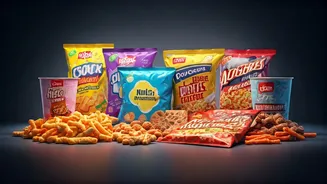
that are not typically found in nature. There are three main combinations that define these foods: fat and sodium (think pizza or bacon); fat and sugar (like cake or ice cream); and carbohydrates and sodium (such as crackers and pretzels). This trifecta of ingredients is designed to hit a 'bliss point' that makes a food so appealing it can override your body's natural signals of fullness.
The 'Health Halo' Deception
Here's where diet snacks enter the picture. Many products marketed as 'low-fat', 'reduced-sugar', or 'light' fall into the hyper-palatable category. In fact, one study found that nearly half of foods with these labels met the criteria for being hyper-palatable. When manufacturers remove one component, like fat, they often compensate by adding more sugar or sodium to maintain flavour. The result is a product that, while technically lower in one nutrient, is still engineered for maximum craveability. This creates a 'health halo,' tricking us into thinking we can eat more without consequence, when in reality we might be consuming more calories overall.
Your Brain on 'Diet' Snacks
The pull of these foods goes beyond just taste; it’s neurological. Hyper-palatable foods activate the reward centers in our brains, triggering a release of dopamine, the 'feel-good' neurotransmitter. This process creates a powerful sense of pleasure and reinforces the desire to keep eating. Over time, this can disrupt the hormones that regulate hunger and satiety, like ghrelin and leptin. Your brain starts to prioritize the intense reward from the snack over your body's actual need for energy, making it difficult to stop even when you're physically full. This explains why you might find yourself finishing an entire box of 'guilt-free' cookies without thinking twice.
How to Escape the Trap
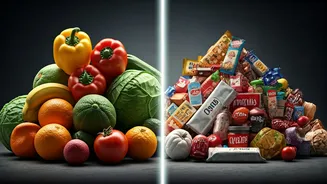
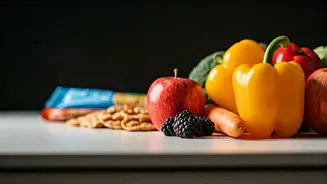
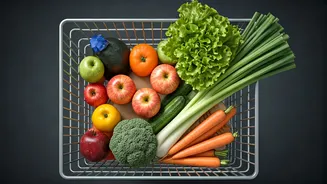
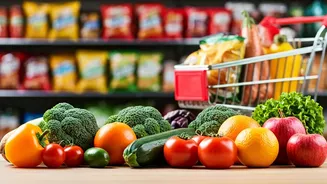
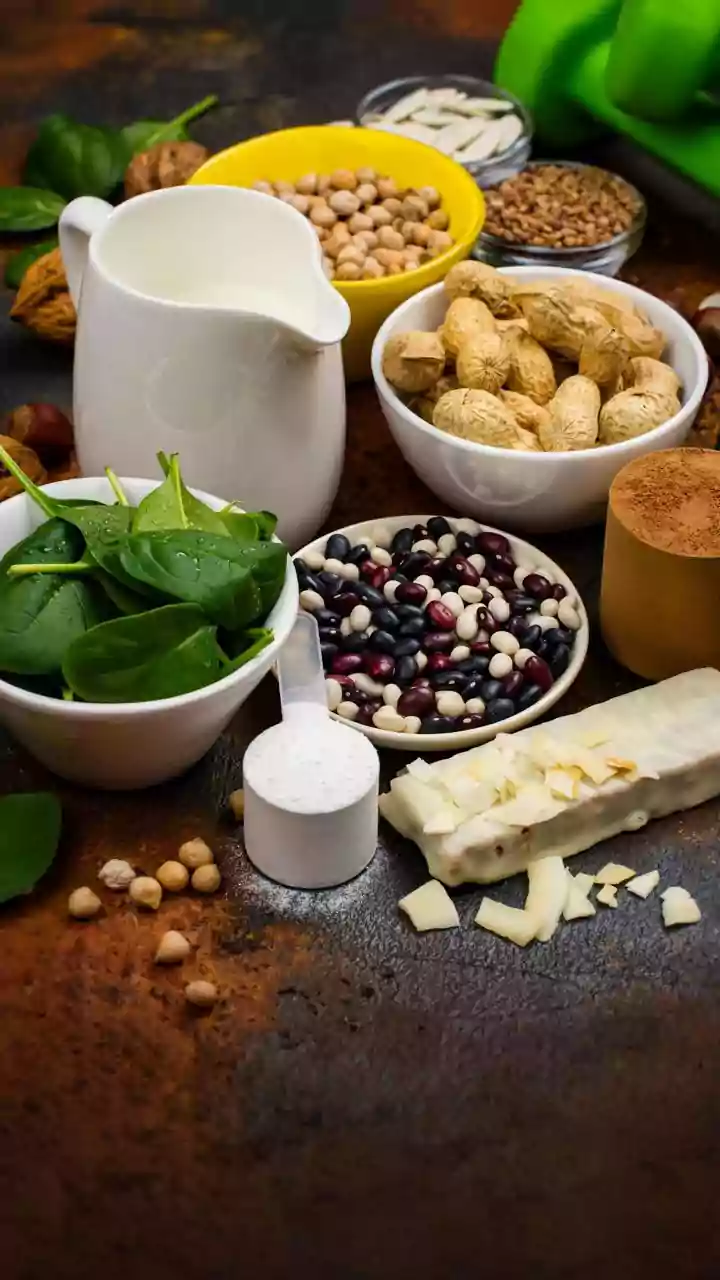
Recognizing the hyper-palatability trap is the first step to escaping it. The goal isn’t to eliminate all snacks, but to make more mindful choices. Start by prioritizing whole, unprocessed foods. An apple, a handful of almonds, or carrots with hummus provide nutrients like fiber and protein that promote genuine fullness. Reading ingredient labels is also crucial. Look beyond the claims on the front of the package and check the levels of sodium, sugar, and fat. Be wary of long lists of ingredients you don't recognize. Choosing snacks that are naturally flavourful, rather than scientifically engineered to be, helps reset your palate and allows you to appreciate the subtle, satisfying tastes of real food.