






The Cheerful and Resilient Marigold
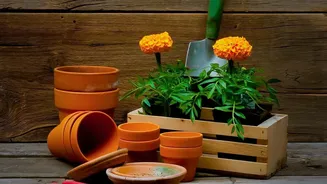
Marigolds, or 'Genda', are the undisputed stars of Indian autumn gardens, synonymous with festivals and celebrations. October is an ideal month to sow their seeds, as the mild winter climate allows the plants to thrive, producing bigger and brighter blooms
that last longer. They are incredibly easy to grow, making them perfect for beginners. Simply choose a spot that receives at least five to six hours of direct sunlight. Marigolds are not fussy about soil, but a well-draining mix amended with some compost will give them a great start. Sow the seeds directly into your pots or garden bed, covering them lightly with soil. They typically sprout within a week. Water them regularly, but allow the topsoil to dry out between waterings to prevent root rot. A wonderful bonus of growing marigolds is their natural ability to repel common garden pests like nematodes, making them excellent companion plants for your vegetables. To encourage a bushier plant with more flowers, pinch off the tips of young plants and regularly remove any faded blooms.
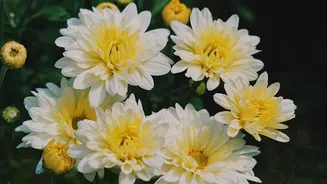
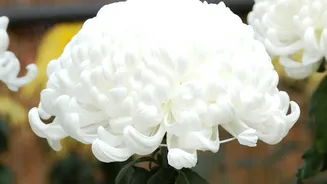
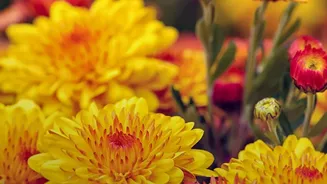
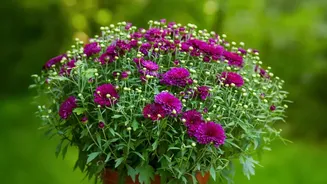
The Regal Chrysanthemum, Queen of Autumn
Known as 'Guldaudi' or 'Shevanti' in India, chrysanthemums are often called the 'Queen of Autumn' for their stunning and diverse blooms. While some varieties can be planted from seed, the easiest way to grow them is by purchasing a healthy plant from a nursery or by taking a 4-6 inch cutting from an existing plant. October is part of the prime blooming season for chrysanthemums, which extends through the winter months. They flourish in well-draining, nutrient-rich soil; a mix of garden soil, organic compost, and sand is ideal. These flowers are sun-lovers and require about five to six hours of direct sunlight daily to produce abundant blooms. If you live in a very hot region, providing some shade during the peak afternoon can be beneficial. Water your chrysanthemums when the top inch of soil feels dry, and always water at the base of the plant to prevent fungal diseases on the leaves. To keep them flowering for longer, remove spent flowers regularly—a practice known as deadheading. With their vibrant colours and air-purifying qualities, chrysanthemums are a rewarding addition to any home garden.
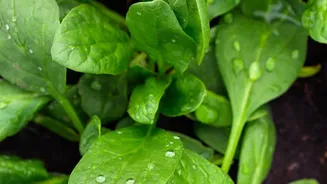
Nutritious and Organic Winter Spinach
October is the perfect time to start your winter vegetable garden, and spinach, or 'Palak', is one of the easiest and most rewarding greens to grow. The cool winter temperatures actually enhance its flavour and slow down the plant's tendency to 'bolt' (flower prematurely). Growing spinach organically at home is simple. It means avoiding synthetic pesticides and fertilisers, and instead relying on natural methods. Start with a fertile, well-draining soil enriched with compost or well-rotted manure, which provides all the nutrients the plant needs. Sow the seeds about half an inch deep directly into your container or garden bed. You can sow a small batch of seeds every couple of weeks to ensure a continuous harvest throughout the season. Keep the soil consistently moist but not waterlogged. Your seedlings should emerge in about 5 to 14 days. For pest control, a simple spray of neem oil can deter common insects. In just a few weeks, you'll be able to harvest fresh, tender leaves for your salads, smoothies, and favourite Indian dishes, free from any harmful chemicals.