



The Ultimate Comfort: Moong Dal Khichdi
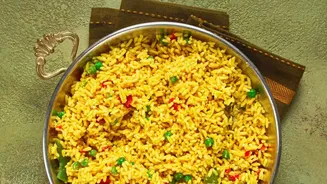
There's a reason khichdi is India's go-to comfort food, especially during the monsoon. This one-pot meal of rice and lentils is light, nourishing, and incredibly easy to digest, which is crucial when the rainy season weakens our digestive fire, according
to Ayurvedic principles. Using moong dal, in particular, is ideal as it's lighter than other lentils. The dish requires minimal spices—just a simple tempering of cumin and a pinch of turmeric can do wonders—making it a quick and fuss-free option for any day of the week. For safe storage, allow any leftovers to cool down before refrigerating in an airtight container to prevent sogginess and bacterial growth. Properly stored, it remains a wholesome meal for the next day.
The Quick Fix: Besan Chilla
When you need a quick, satisfying, and safe meal, the besan chilla (savoury gram flour pancake) is a perfect choice. Gram flour, or besan, is a pantry staple that stores well in an airtight container, safe from the monsoon moisture. The batter comes together in minutes with just water, spices like ajwain (carom seeds) for digestion, and finely chopped vegetables like onions. Unlike leafy greens that can harbour contaminants during the monsoon, onions and tomatoes are safer bets when washed well. These pancakes are cooked with minimal oil and are packed with protein. For storage, it’s best to keep the batter in the fridge for up to a day and make fresh chillas as needed, as they taste best when served hot and crisp.
The Warming Bowl: Vegetable and Corn Soup
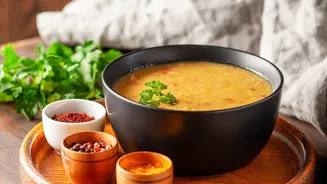
Nothing beats a warm bowl of soup on a cool, rainy evening. A simple vegetable soup is an excellent way to get your nutrients without stressing your digestive system. During the monsoon, it's wise to rely on vegetables that have a longer shelf life and are less prone to contamination, such as carrots, potatoes, and bottle gourd. You can also use frozen or canned corn, which are safely preserved and ready to use. A soup is a one-pot meal that requires little effort beyond some chopping. To keep it safe, always consume soups freshly prepared and hot. If you must store it, refrigerate it immediately after it cools and be sure to bring it to a rolling boil before consuming it again.
The Dry Delight: Aloo Jeera
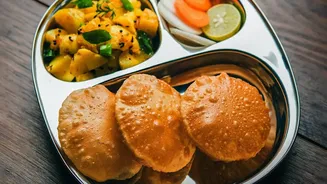
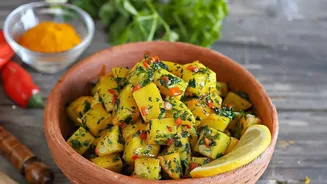
A simple 'dry' sabzi like Aloo Jeera is a brilliant monsoon option because it contains less moisture than gravy-based dishes, which reduces the risk of spoilage in humid weather. Potatoes are a hardy vegetable, and when stored in a cool, dark, and airy place away from the floor, they last for a long time even during the rains. This dish is incredibly easy to prepare—cubed boiled potatoes tossed with cumin seeds, turmeric, and a few other spices in a pan. It pairs well with rotis or as a side with dal and rice. Leftovers can be safely stored in an airtight container in the fridge and even used the next morning as a delicious filling for a sandwich.
The Healthier Indulgence: Baked or Air-Fried Pakoras
The craving for hot, crispy pakoras is almost synonymous with the Indian monsoon. While deep-frying can feel heavy on the stomach, you can make a healthier version by baking or air-frying them. The base ingredient, besan, is a safe pantry staple. For the filling, stick to reliable vegetables like onions and potatoes. Making them at home is far safer than opting for street food, which carries a higher risk of contamination during this season. To ensure crispiness and safety, it's crucial to store your besan and spices in airtight jars to keep moisture out. Pakoras are best eaten fresh, as storing them makes them lose their crunch and they don't reheat well.