


Choosing Your Alpine Adventure
Uttarakhand offers trails for every fitness level. From gentle meadow walks to strenuous high-altitude expeditions, the first step is matching a route to your experience and expectations. For beginners, treks like Nag Tibba or Deoriatal-Chandrashila offer stunning
views with manageable ascents over a weekend. Intermediate trekkers might consider the classic Valley of Flowers or the summit push to Kedarkantha, which require more stamina and a few more days. For seasoned mountaineers, challenging routes like the Auden's Col or Kalindi Khal present the ultimate test, demanding technical skill and professional guidance. Researching the difficulty, duration, and altitude gain of a trek is crucial before you commit.
Iconic Route: Valley of Flowers
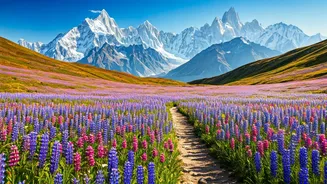
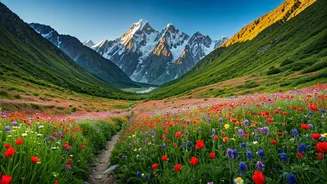
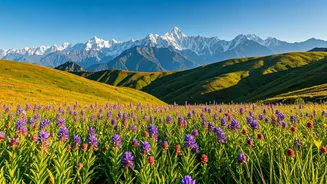
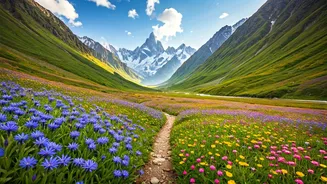
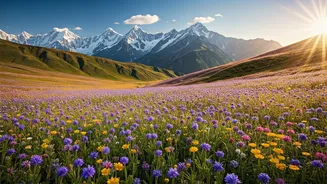
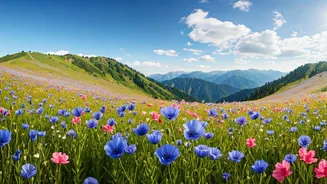
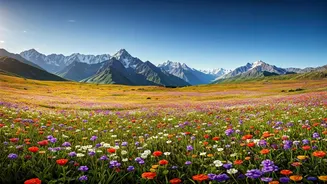
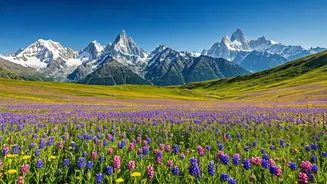
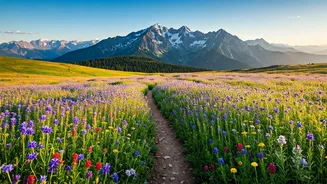
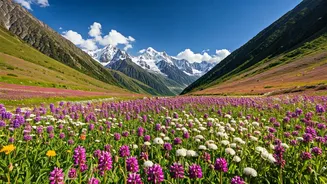
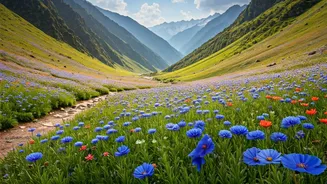
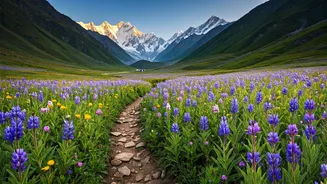
A UNESCO World Heritage Site, the Valley of Flowers trek is a monsoon marvel. The route is relatively straightforward, making it accessible to most people with a decent level of fitness. The trek typically begins from Govindghat, with a 14-kilometre trail leading to the base camp at Ghangaria. From Ghangaria, a well-defined path takes you into the valley itself, a breathtaking expanse carpeted with hundreds of species of wildflowers, with the Pushpawati River flowing through it. The journey also offers a chance to visit Hemkund Sahib, a revered Sikh pilgrimage site located at a stunning high-altitude lake. This trek combines natural beauty with cultural significance, making it one of India's most cherished trails.
Popular Summit: Kedarkantha Peak
If you dream of a snow-covered landscape and a panoramic summit view, Kedarkantha is your trek. Best attempted from December to April, it has become one of India's most popular winter treks. The journey starts from the quaint village of Sankri. The trail winds through dense pine forests, frozen streams, and snow-laden clearings before reaching the base camp. The summit day is an early start, but the reward is immense: a 360-degree view of famous Himalayan peaks like Swargarohini, Bandarpoonch, and Kalanag. Its relatively short duration (4-5 days) and achievable summit make it an ideal introduction to high-altitude winter trekking.
Navigating Permits and Permissions
Most treks in Uttarakhand pass through national parks, wildlife sanctuaries, or protected forest areas, making permits mandatory. The process is now largely streamlined. For popular treks like the Valley of Flowers or those within the Govind Pashu Vihar National Park (like Kedarkantha), permits are often available online through the Uttarakhand Forest Department portal or can be obtained at designated check posts at the start of the trek. You'll typically need a valid government-issued photo ID. For treks near international borders, an Inner Line Permit (ILP) may be required, which involves a more stringent application process through the district magistrate's office. Always check the latest regulations on the official government websites before your trip, as rules and fees can change.
Decoding the Seasons: Ideal Timings
The 'best' time to trek in Uttarakhand depends entirely on what you want to experience. **Summer (April-June):** The pre-monsoon season offers pleasant weather, clear skies, and blooming rhododendrons. It's ideal for most high-altitude treks as the snow has melted from lower trails. **Monsoon (July-August):** While many high-altitude routes close due to landslide risks, this is the prime time for the Valley of Flowers, when the meadows are at their most vibrant. Expect rain and be prepared with waterproof gear. **Autumn (September-November):** Considered the best trekking season by many. The monsoon rains leave the landscape lush and green, the skies are exceptionally clear, and the views of the snow-capped peaks are unparalleled. **Winter (December-March):** Perfect for snow lovers. Treks like Kedarkantha, Brahmatal, and Dayara Bugyal transform into winter wonderlands. This season requires proper gear and preparation for sub-zero temperatures.