


The Ever-Present Threat
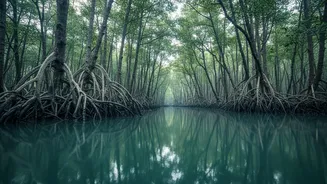
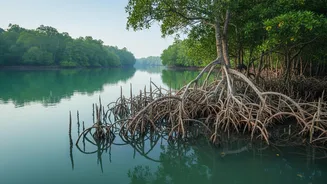
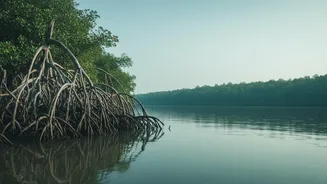
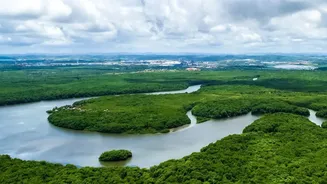
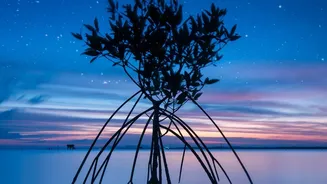
The Sundarbans, the world's largest mangrove forest and a UNESCO World Heritage site, is a place of immense natural importance. This vibrant ecosystem, straddling India and Bangladesh, serves as a critical buffer for millions, absorbing the impact of cyclones
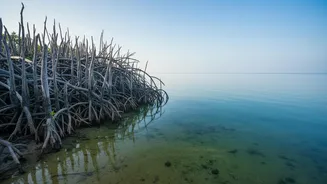
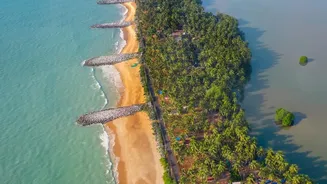
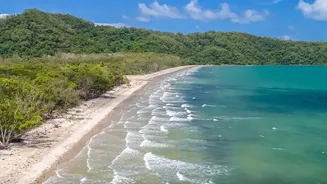
and storm surges. However, this natural defence is under severe threat. Studies show that between 33% and 45% of India's coastline is experiencing erosion, and the Sundarbans is on the front line. Some reports indicate the sea level in the region is rising more than twice as fast as the global average, leading to some islands losing their coastlines at an alarming rate. Over the last few decades, significant portions of the mangrove forest have been lost to this relentless erosion, threatening not just the unique biodiversity but also the lives and livelihoods of the dense populations it protects.
The Challenge of Manual Monitoring
For years, tracking the health of this vast, inaccessible delta has been a monumental challenge. Traditional methods of measuring erosion and sediment flow rely on manual surveys and periodic field visits. This process is not only expensive and time-consuming but also provides a delayed and incomplete picture of the rapidly changing landscape. By the time data is collected, processed, and analysed, the coastline may have already shifted significantly, making preventative action difficult. Researchers and officials have relied heavily on satellite imagery, which provides a valuable long-term perspective but can lack the granular, real-time data needed for immediate decision-making, especially during and after extreme weather events like cyclones.
Enter the Digital Sentinels
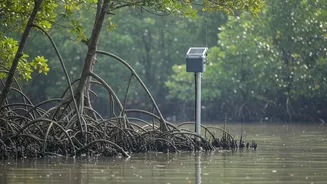
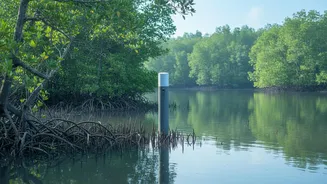
This is where telemetry systems come in, representing a major leap forward. These systems are essentially a network of remote sensors and IoT (Internet of Things) devices placed at strategic locations throughout the mangroves. These devices are designed to autonomously measure a range of crucial environmental parameters in real-time. This can include water levels, tidal pressure, salinity, wave energy, and, most importantly, the rate of sediment deposition or erosion. The data is then transmitted wirelessly to a central server, where it can be analysed instantly. Instead of getting a snapshot once every few months, authorities can now watch the dynamic interplay between the land and the sea as it happens. While still in development and testing phases in various forms, the concept promises a low-cost, effective way to get ahead of the data deficit.
From Data to Decisive Action
The true power of real-time tracking lies in its ability to transform data into proactive strategies. With a constant stream of information, engineers and conservationists can identify erosion hotspots before they become critical. This allows for the targeted deployment of resources, whether it's reinforcing vulnerable embankments or implementing nature-based solutions. For instance, understanding sediment flow helps determine the most effective locations for mangrove afforestation, as the new saplings need stable ground to take root. This data also feeds into early warning systems, giving communities more time to prepare for tidal surges or flooding. It shifts the entire approach from one of reaction and recovery to one of prediction and resilience.
A Blueprint for Coastal Resilience
The implementation of telemetry and other remote sensing technologies in the Sundarbans is more than just a localised experiment; it's a potential blueprint for coastal management across India and the world. As climate change accelerates, accurate, real-time environmental data will become one of our most valuable assets. By combining high-tech monitoring with community-involved conservation efforts, it becomes possible to build a more sustainable and resilient future for threatened coastal ecosystems. These digital sentinels don't just measure the loss of land; they provide the intelligence needed to fight back, ensuring the Sundarbans can continue its vital role as a protector of both nature and humanity for generations to come.