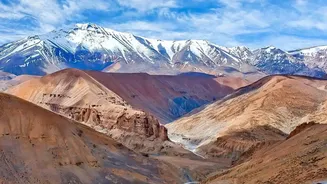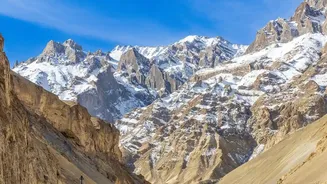




Why August is Ladakh’s Sweet Spot
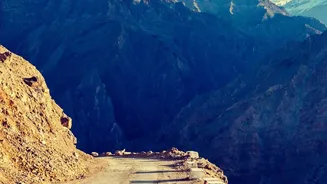
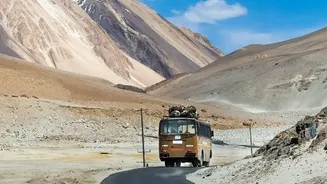
While monsoon rains drench most of India, Ladakh, located in a high-altitude rain shadow, remains remarkably dry. This unique climatic advantage makes August a prime month for travel. Both the iconic Manali-Leh and Srinagar-Leh highways are typically
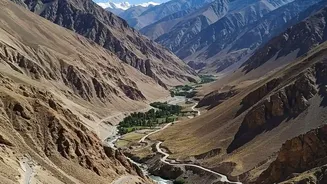
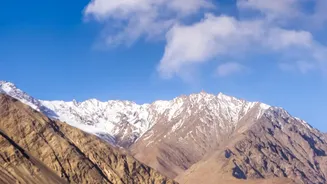
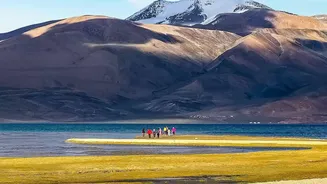
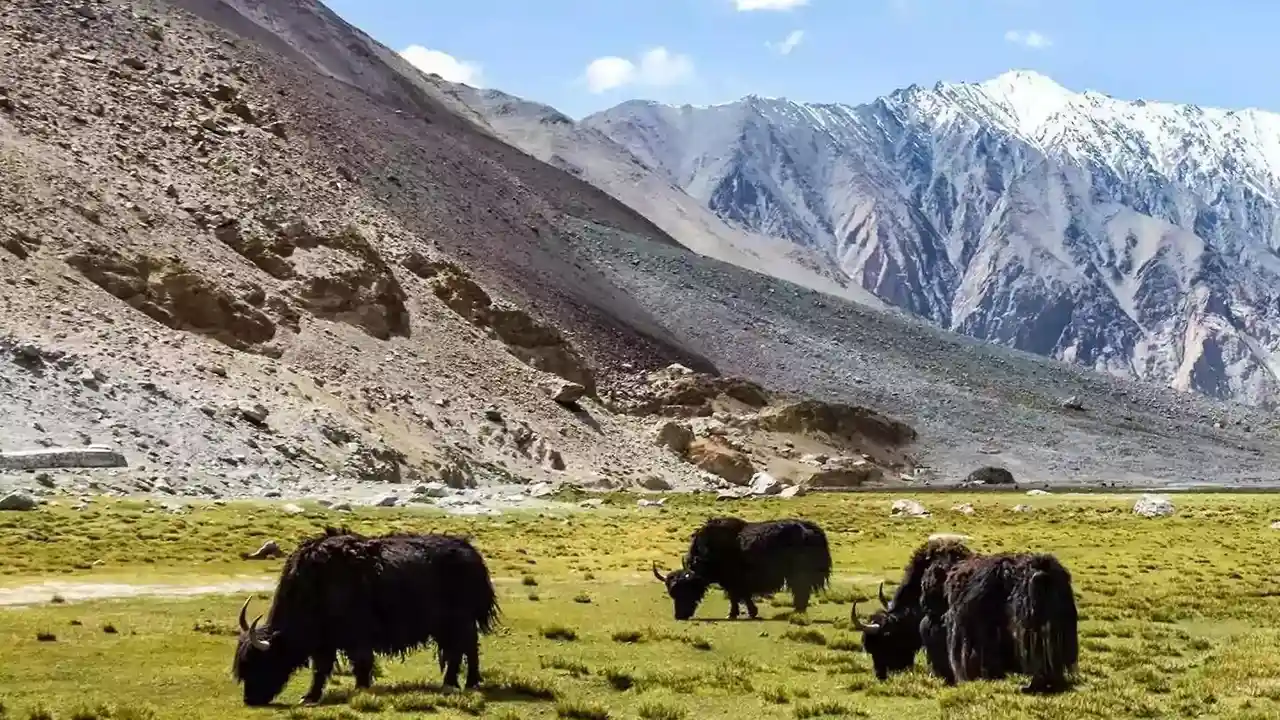
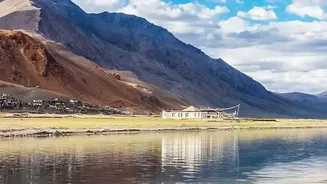
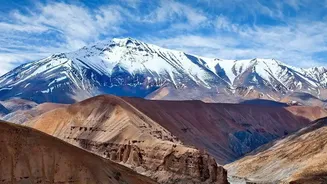
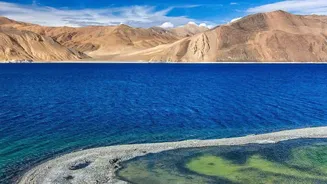
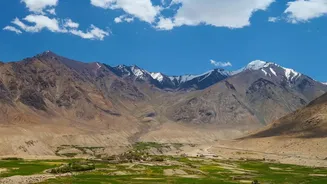
open and running at full capacity, granting road access that is impossible for nearly half the year. The weather is generally pleasant, with warm, sunny days perfect for sightseeing and comfortable nights. This is the season when the valleys are still lush from early-season meltwater, the high-altitude lakes are a dazzling blue, and every major internal route, from Nubra Valley to Pangong Tso, is accessible.
The Golden Rule: Acclimatise First
Ladakh's breathtaking altitude, with Leh itself situated at 3,500 metres (about 11,500 feet), is its main challenge. Flying directly into Leh subjects your body to a sudden drop in oxygen, making proper acclimatisation non-negotiable to avoid Acute Mountain Sickness (AMS). The most crucial travel tip is to dedicate your first 48 hours in Leh to rest. This means no strenuous activity, no immediate trips to high passes, and plenty of hydration—at least 3-4 litres of water daily. Use these first two days for gentle walks around Leh's market or a short visit to Shanti Stupa at sunset. Only after this initial period should you plan excursions to higher altitudes like Khardung La or Pangong Lake. This simple patience is the key to a safe and enjoyable trip.
Essential Permits and Paperwork
To visit Ladakh's most famous sights, including Nubra Valley, Pangong Tso, and Tso Moriri, all travellers need to secure permits. These regions lie in protected areas close to international borders. For Indian citizens, the process involves obtaining an Inner Line Permit (ILP), which can be easily done online through the official Leh administration portal. Foreign nationals require a Protected Area Permit (PAP), which usually has to be processed through a registered local travel agent. The permit costs include an environment fee, wildlife protection fee, and a contribution to the Red Cross. Though the application is digital, you must carry multiple physical printouts of your permit and a valid government ID, as they will be collected at various army checkpoints.
Must-See August Landscapes
With access at its peak, August is the time to explore Ladakh's crown jewels. A drive to the Nubra Valley via Khardung La—one of the world's highest motorable passes—is an essential experience. The journey takes you from the cold, raw heights of the pass down to the surprising sand dunes of Hunder, where you can see Bactrian camels. No trip is complete without visiting Pangong Tso, the stunning high-altitude lake that changes colour throughout the day. An overnight stay in a camp near the lake is highly recommended to witness its beauty at both sunset and sunrise. Other accessible destinations include the serene Tso Moriri, a freshwater lake in a more remote setting, and the many ancient monasteries like Thiksey, Hemis, and Diskit that are fully operational this month.
Planning and Packing Smart
The 'plan ahead' mantra is crucial for an August trip. This is peak tourist season, so booking flights and accommodations well in advance is essential to avoid high prices and secure good options. When packing, think in layers. Days can be warm enough for a t-shirt in the sun, but temperatures drop significantly in the shade and at night. A base layer, a fleece jacket, and a windproof outer shell are vital. Given the intense high-altitude sun, UV-rated sunglasses, a wide-brimmed hat, and high-SPF sunscreen are non-negotiable. Also, remember that most prepaid SIM cards from outside the region will not work in Ladakh; a postpaid connection from Jio or Airtel is your best bet for connectivity.