
Understanding the Contenders
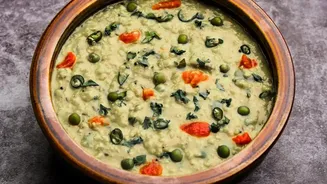
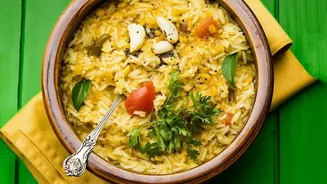
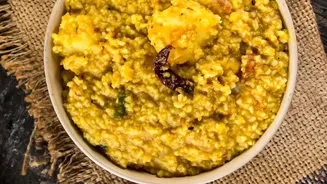
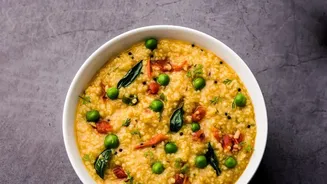
Dalia, also known as cracked or broken wheat, is a whole grain celebrated for its minimal processing. Because it retains the bran and germ, it’s a powerhouse of nutrients. It's often prepared as a savoury porridge, loaded with vegetables, or as a sweet
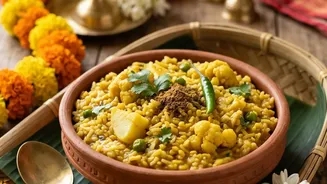
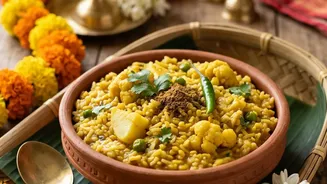
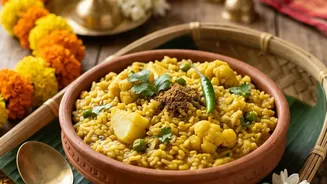
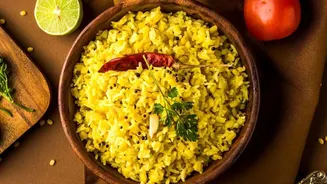
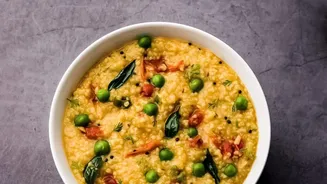
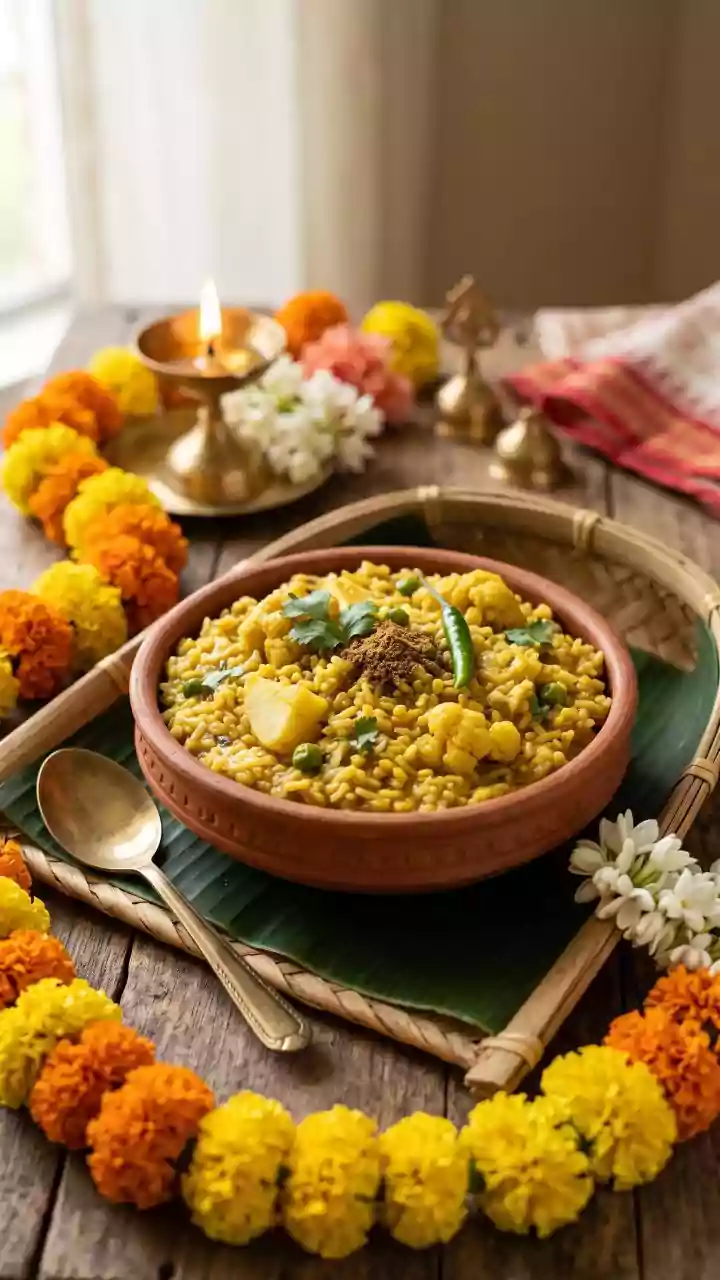
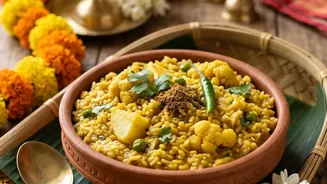
dish with milk and jaggery. Its reputation is built on being a high-fibre, slow-release energy source. Khichdi, on the other hand, is a versatile one-pot meal made from rice and lentils, typically moong dal. Revered in Ayurveda as a healing, tridoshic food, it’s known for being exceptionally easy to digest. This makes it a go-to meal during recovery from illness and a popular first food for babies. Its strength lies in the synergy between the grain and the lentil, which together create a complete protein.
The Nutritional Showdown
When you put them head-to-head, Dalia and Khichdi each have distinct advantages. Dalia is the undisputed king of fibre. Uncooked, it can contain around 10-12 grams of fibre per 100g. This high fibre content is excellent for promoting fullness, aiding weight management, and supporting digestive health. Khichdi's fibre content is more modest, typically around 3-4 grams for a standard bowl, coming mostly from the lentils. However, Khichdi shines in its protein quality. The combination of rice (rich in methionine) and dal (rich in lysine) creates a complete protein with all nine essential amino acids, which is crucial for muscle repair and maintenance. Dalia also contains a good amount of protein, about 12 grams per 100g raw, but it's not a complete protein on its own.
The Glycemic Index Factor
For those managing blood sugar, the glycemic index (GI) is a critical number. Dalia generally has a low GI, typically around 41-55. This means it releases sugar into the bloodstream slowly, providing sustained energy and preventing sharp spikes. This makes it a highly recommended choice for individuals with diabetes. A traditional khichdi made with white rice will have a higher GI. However, the lentils and any added vegetables help to lower the overall glycemic load. By making simple swaps, like using brown rice, millets, or even dalia itself to make khichdi, you can easily create a low-GI meal that's just as diabetes-friendly.
The Real Game Changer: Portion Size
Here’s where the comparison gets truly interesting. Declaring Dalia 'healthier' can be misleading if you eat a massive bowl of it. Research consistently shows that people tend to eat more when served larger portions, a phenomenon known as the 'portion size effect'. Eating a large portion can increase your calorie intake by over 30%, regardless of how 'healthy' the food is. A standard cup of vegetable dalia can be around 283 calories, while a vegetable moong dal khichdi can range from 150–230 calories. So, a large bowl of Dalia could easily contain more calories than a small, controlled serving of Khichdi. The key takeaway is that quantity can trump quality. A smaller portion of any meal is almost always better for weight management than a large portion of a supposedly superior one.
Making the Right Choice for You
The 'better' option ultimately depends on your personal health goals. For weight loss and blood sugar control, Dalia’s high fibre and low GI make it an excellent choice, as it keeps you fuller for longer. For post-workout recovery or when you need a gentle, easily digestible meal, the complete protein and soothing nature of Khichdi are ideal. If you’re simply seeking a nutritious meal, both can be fantastic choices, especially when loaded with vegetables to boost their vitamin and mineral content. The trick is to be mindful not just of what's in your bowl, but also of the size of the bowl itself.