

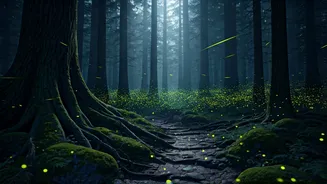


What Causes the Ethereal Glow?
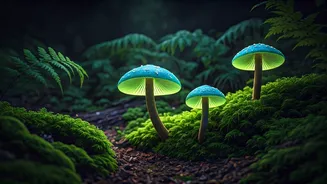
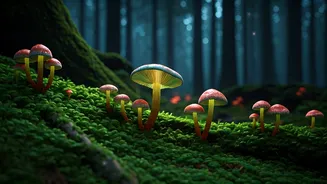
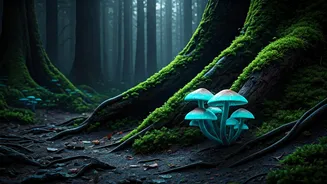
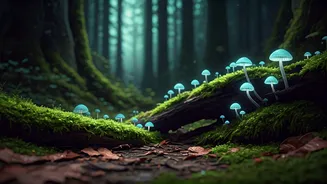
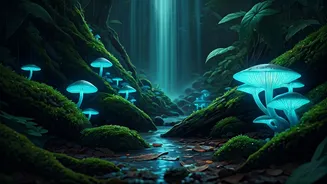
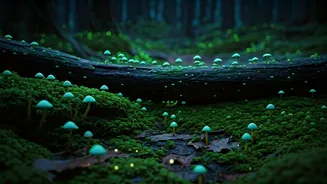
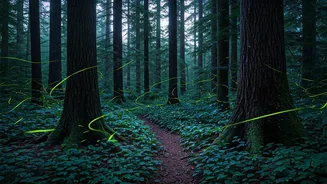
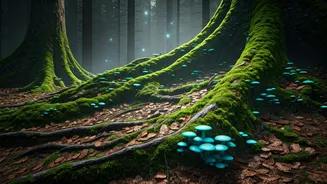
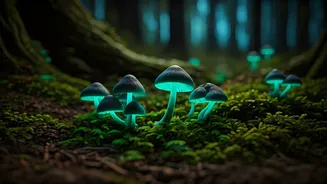
This otherworldly spectacle isn't magic, but biology. The glow comes from bioluminescent fungi, primarily species of the genus *Mycena*. These tiny mushrooms colonise decaying twigs, leaves, and bark on the forest floor. During the wet monsoon months,
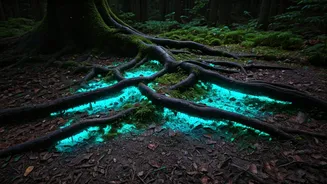
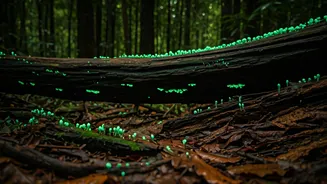
they thrive. The light is a result of a chemical reaction involving an enzyme called luciferase, which produces a faint, continuous green or blue-green luminescence. Scientists believe this glow may serve to attract insects that help in spore dispersal, ensuring the fungus propagates. This natural light show, often called 'foxfire', is completely dependent on high humidity and rainfall, making it a fleeting and precious sight.
Where to Witness This Natural Wonder
The Western Ghats, a UNESCO World Heritage Site, is the primary hotspot for this phenomenon in India. The states of Maharashtra and Goa offer the most accessible and well-known locations for spotting these glowing forests. Key areas include: * **Bhimashankar Wildlife Sanctuary, Maharashtra:** A popular destination for trekkers and wildlife enthusiasts, the forests here come alive with glowing fungi during peak monsoon. Many local guides offer night walks to specific trails where the glow is most prominent. * **Bhandardara, Maharashtra:** Nestled in the Sahyadri ranges, the area around Arthur Lake and the Wilson Dam is known for sightings. The combination of dense forest and high rainfall creates perfect conditions. * **Chorla Ghats, Goa/Maharashtra/Karnataka border:** This lush section of the Ghats is another prime location. Resorts and nature camps in the area often arrange guided walks for their guests to experience the bioluminescence. While these are the most popular spots, the fungi can potentially be found in any moist, dense forest patch across the Western Ghats during the right season.
The Best Time for a Glowing Safari
Timing is everything. The bioluminescent display is strictly a monsoon phenomenon. The ideal window to plan your visit is between June and early October. The activity of the fungi peaks during periods of consistent, heavy rainfall when the forest floor is thoroughly damp. A few days of dry spell can cause the glow to diminish significantly. For the best experience, plan your trip during the core monsoon months of July and August. The treks are best undertaken on dark, moonless nights, as the faint glow of the fungi is more visible without competing light from the moon or artificial sources. Always check local weather forecasts before you go, as heavy downpours can make trails slippery and unsafe.
Planning Your Trip and What to Expect
As the phenomenon gains popularity, the “race to book” becomes a reality, especially for weekend trips. It’s wise to book accommodation and guides in advance. Many local conservation groups and eco-tourism operators in these regions offer guided 'glowing forest' treks. These guides are invaluable, as they know the exact trails where the fungi are most abundant and can navigate the forest safely at night. Here’s what you should pack: * **Sturdy, waterproof trekking shoes** with good grip. * **A reliable raincoat or poncho** is non-negotiable. * **A torch or headlamp** with a red light filter. Bright white light will ruin your night vision and disturb the nocturnal ecosystem. Use it sparingly. * **Insect repellent** for protection against monsoon critters. * **A camera** capable of long-exposure shots if you wish to capture the glow, but be prepared for a challenge.
A Guide to Responsible Viewing
This delicate ecosystem requires our respect. To ensure these forests continue to glow for years to come, it's crucial to be a responsible visitor. Never touch or attempt to pick the glowing mushrooms or the wood they grow on; they are fragile and part of a living ecosystem. Stick to the designated trails to avoid trampling unseen flora and fauna. Absolutely avoid using flash photography, as it overpowers the natural glow and disturbs nocturnal wildlife. The principle of 'leave no trace' is paramount—carry all your waste back with you. By appreciating this wonder responsibly, you help protect it for future generations of nature lovers.