




From Urban Space to Living Sanctuary
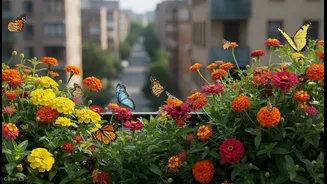
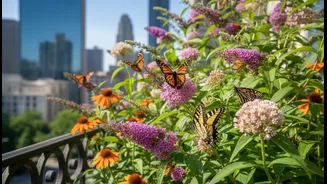
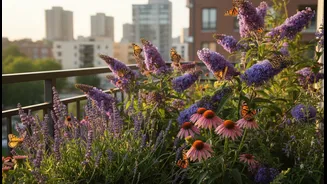
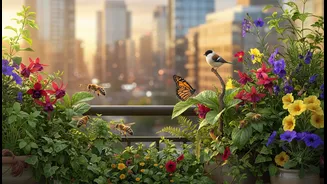
In the concrete jungle of our cities, a balcony can be a vital link to the natural world. For butterflies, these small, elevated gardens can act as crucial stepping stones or service stations as they navigate urban landscapes. Creating a butterfly-friendly
space is not just about beautifying your home; it’s about contributing to local biodiversity and creating a personal oasis. The simple act of watching a butterfly drift from one flower to another provides a sense of peace and wonder that can feel truly magical, a welcome escape from the daily hustle. It turns your gardening hobby into a dynamic, living art form that changes with each delicate visitor.
The Buffet: Nectar-Rich Flowers They Love
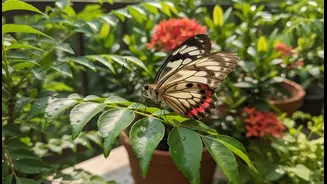
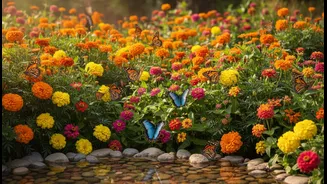
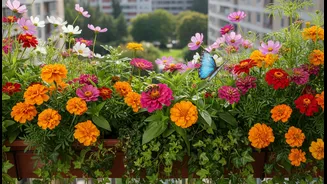
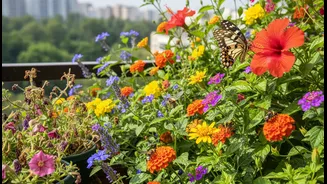
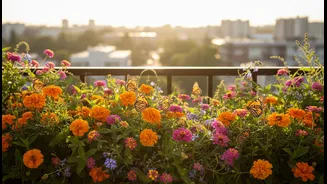
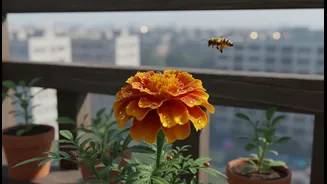
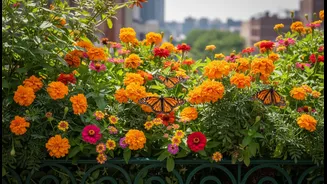
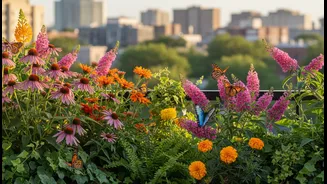
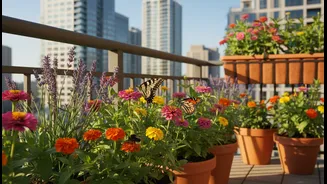
The first step to attracting butterflies is to offer them a feast. Adult butterflies feed on nectar, so planting a variety of nectar-rich flowers is essential. For Indian balconies that receive a good amount of sun, certain plants are guaranteed to be a hit. Lantana, with its clustered, multi-coloured blooms, is a low-maintenance magnet for many butterfly species. Pentas, Ixora, and Marigolds are also excellent choices that are hardy, readily available, and bloom profusely in containers. Zinnias offer a burst of vibrant colour and are easy to grow from seed, while the fragrant flowers of Tulsi (Holy Basil) attract bees and butterflies when allowed to bloom. For a vertical touch, the Butterfly Pea vine not only has stunning blue flowers but is a fast climber perfect for railings. The key is to plant in clusters; butterflies are more likely to spot a large patch of colour than a single plant.
The Nursery: Host Plants for the Next Generation
To create a true haven, you need to think beyond just feeding the adults. A sustainable butterfly garden also provides a place for them to lay their eggs. This means including 'host plants'—the specific plants that their caterpillars eat. While the thought of caterpillars munching on leaves might seem destructive, it's a sign of a healthy, functioning ecosystem. Many butterflies are incredibly specific. For instance, the magnificent Monarch butterfly will only lay its eggs on Milkweed plants. In India, the Common Mormon butterfly uses plants from the citrus family, so a potted lime or curry leaf plant can serve as a host. Similarly, Cassia plants host several sulphur butterfly species. Including a host plant or two transforms your balcony from a simple feeding station into a full-fledged butterfly nursery, allowing you to witness the entire magical life cycle.
Creating a Five-Star Butterfly Hotel
Beyond the plants, a few simple additions can make your balcony even more inviting. Butterflies need sunlight to warm their flight muscles, so ensure your plants are in a spot that gets at least five to six hours of sun daily. They also get thirsty. While they drink nectar for energy, they get water and essential minerals from damp sand or soil, a behaviour known as 'puddling'. You can create a simple puddling station by filling a shallow dish with sand and a little compost, then keeping it consistently moist. Pots should be large enough to hold adequate water and insulate roots from heat, and must have good drainage holes to prevent root rot. Finally, providing some shelter from strong winds, perhaps by arranging taller plants strategically, gives these delicate creatures a safe place to rest.