



The Problem with Maida
Refined wheat flour, or maida, became a staple in Indian kitchens for its soft texture and long shelf life. However, its rise came at a nutritional cost. The refining process strips wheat of its bran and germ, removing almost all its dietary fibre, vitamins,
and minerals. What's left is a fine, starchy powder that the body digests very quickly. This rapid digestion can lead to sharp spikes and subsequent crashes in blood sugar levels, leaving you feeling hungry again soon after eating. For families seeking stable energy and better nutrition, this makes maida a less-than-ideal choice. Its lack of fibre is a major concern for digestive health, often contributing to issues like bloating and constipation.
The Digestive Advantage of Millets
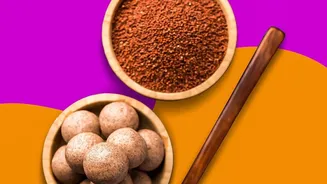
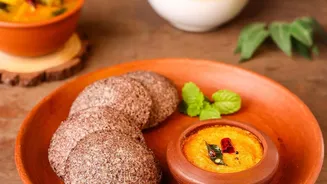
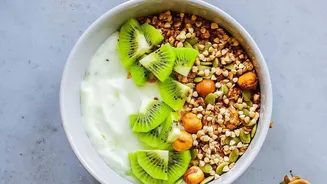
This is where millets—ancient grains like jowar, bajra, and ragi—truly shine. Unlike maida, millets are whole grains that retain their nutrient-rich outer layers. They are packed with dietary fibre, which is crucial for a healthy digestive system. This fibre helps promote regular bowel movements and acts as a prebiotic, feeding the beneficial bacteria in your gut. Furthermore, millets have a low glycemic index, meaning they release energy slowly and steadily. This prevents the sudden blood sugar spikes associated with refined flours, providing sustained energy that is perfect for both children and adults. For those with gluten sensitivities, millets are also a naturally gluten-free alternative.
A Return to Traditional Wisdom
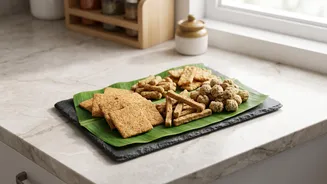
The shift towards millets is more than just a health trend; it's a reconnection with India's culinary roots. For generations, these grains were a fundamental part of regional diets, valued for their resilience and nutritional power. Today's urban families are rediscovering this wisdom, driven by a desire for clean, natural foods. Consumers are increasingly reading labels and rejecting products with artificial flavours and preservatives. Millets fit perfectly into this 'clean-label' movement. The market has responded, with a boom in brands offering millet-based snacks in convenient, modern formats like baked puffs, cookies, and crackers that fit into busy urban lifestyles.
Beyond Digestion: A Nutritional Powerhouse
The benefits of choosing millets over maida extend far beyond just digestion. Millets are nutritional powerhouses, rich in essential minerals and antioxidants. Ragi, for instance, is famously high in calcium, while jowar and bajra are excellent sources of iron and magnesium. These micronutrients are often stripped away from maida during its processing. By incorporating a variety of millets into their snack routine, families can ensure they are getting a broader spectrum of nutrients that support everything from bone health and energy metabolism to a stronger immune system. This holistic approach to nutrition is a key reason why so many are making the switch.
Making the Smart Switch
Switching from maida to millet snacks is easier than ever. The Indian healthy snacks market is growing rapidly, with projections showing significant expansion in the coming years. When shopping, look for snacks where millets are listed as the primary ingredient. Be mindful of added sugars and unhealthy fats, and opt for baked or roasted options over fried ones. Introducing children to these new flavours can be as simple as swapping their regular cookies for ragi-choco cookies or offering savoury jowar puffs instead of fried namkeen. By making these small, consistent changes, families can embrace a snacking habit that is both delicious and genuinely nourishing.