





Why Fibre is Your Friend
Dietary fibre is a type of carbohydrate that our bodies can't digest. It plays a vital role in maintaining our health. There are two types: soluble and insoluble. Soluble fibre dissolves in water to form a gel-like substance, which can help lower cholesterol
and stabilize blood sugar. Insoluble fibre adds bulk to stool, aiding digestion and preventing constipation. A high-fibre diet is linked to a lower risk of heart disease, diabetes, and certain cancers. According to the Indian Council of Medical Research (ICMR), Indian adults should aim for about 25-40 grams of fibre daily. However, many urban Indians consume only about half of that, creating a significant 'fibre gap'.
The Mighty Millets: Jowar, Bajra, and Ragi
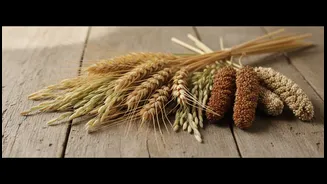
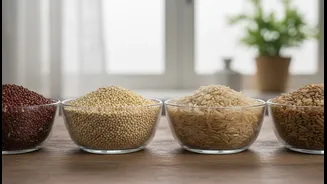
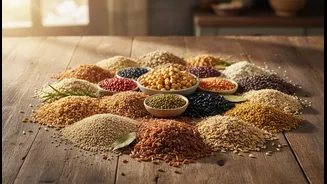
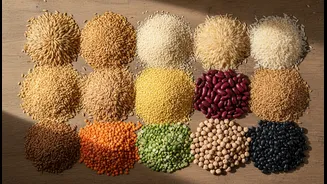
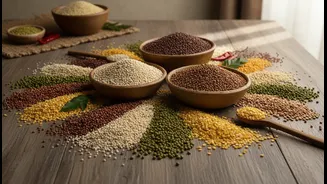
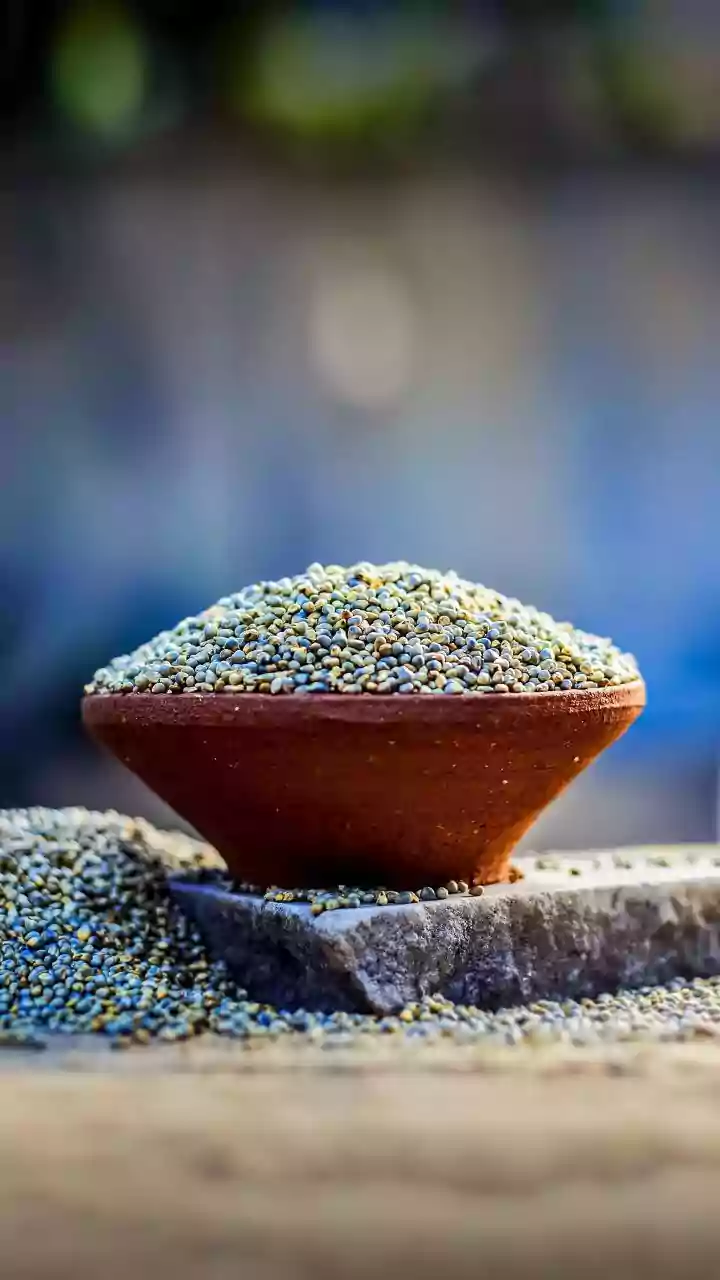
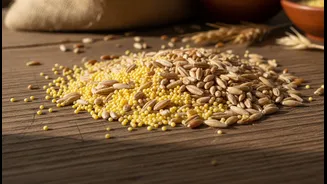
Millets are ancient grains that are making a huge comeback, and for good reason. They are gluten-free and packed with nutrients. Bajra (pearl millet) is a standout, with about 8-11 grams of fibre per 100g. Jowar (sorghum) offers around 7 grams, and Ragi (finger millet) provides about 11 grams of fibre per 100g. This high fibre content aids digestion, helps in managing weight by keeping you feeling full longer, and supports stable blood sugar levels. Swapping regular wheat rotis for jowar or bajra bhakri, or starting your day with a bowl of ragi porridge, is an easy way to boost your fibre intake.
The Power of Pulses: Dals and Legumes
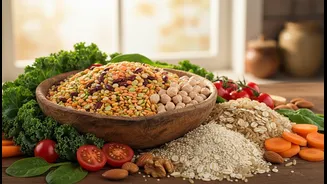
Lentils and legumes are the heart of Indian cuisine, providing both protein and fibre. A single serving of dal can significantly contribute to your daily fibre needs. For instance, rajma (kidney beans) and chana (chickpeas) are fibre champions, offering around 13-15 grams and 12-17 grams per 100g (raw) respectively. Masoor dal provides about 8-10g, while moong dal contains around 7g per 100g (raw). Including a bowl of dal in your main meals is a simple and traditional way to ensure you're getting a healthy dose of both soluble and insoluble fibre, which supports heart health and digestion.
Embrace a Rainbow of Vegetables
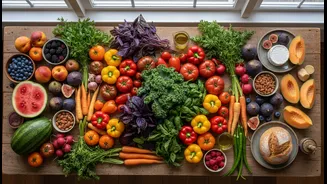
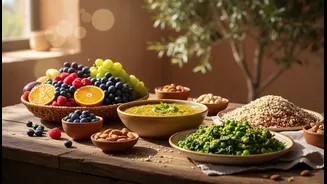
Our local sabzi markets are bursting with high-fibre options. Vegetables like bhindi (okra), beans, lauki (bottle gourd), and leafy greens like spinach are excellent sources. Okra is particularly noted for its soluble fibre content. Root vegetables such as sweet potatoes and beetroots are also packed with fibre and nutrients. The key is variety. Aim to fill half your plate with vegetables at every meal. Whether in a sabzi, a sambar, or a simple salad, vegetables add bulk and a wide range of vitamins and minerals to your diet, with minimal calories.
Don't Forget Fruits and Seeds
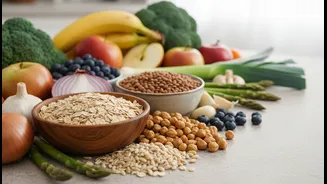
Fruits are nature's dessert, and many are fantastic fibre sources. Guava is a superstar in India, with one medium fruit containing about 5 grams of fibre. Apples, papayas, and bananas are also great choices, especially when eaten with their skin where possible. Additionally, seeds like flaxseeds (alsi) and chia seeds are incredibly fibre-dense. Just one tablespoon of ground flaxseed can add a significant fibre punch to your curd, smoothie, or roti dough. Snacking on a piece of fruit or a handful of roasted chana is a much healthier and more filling option than processed snacks.