






The Old 'Off-Season' Is Now On
For decades, the Indian travel calendar had a clear 'off-season': the monsoon. From June to September, tourism would typically dip, with many assuming rain meant cancelled plans and gloomy days. Not anymore. Travel companies and tour operators are reporting
a significant and growing surge in bookings for the rainy season, transforming it into a vibrant, sought-after travel window. This isn't just about finding a cheap hotel room; it’s a fundamental change in how we perceive the monsoon. Instead of a nuisance, travellers are rebranding it as nature's grand spectacle. Reports from major travel portals show a spike of 25-30% in inquiries for monsoon destinations compared to previous years. This trend, accelerated by a post-pandemic desire for year-round exploration and unique experiences, proves that the lure of a rain-drenched landscape is now a powerful force in Indian tourism.
Why Adventure Thrives in the Rain
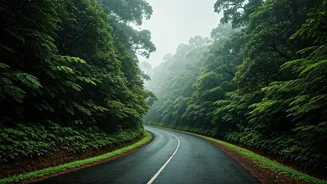
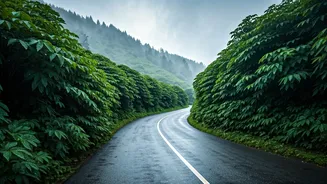
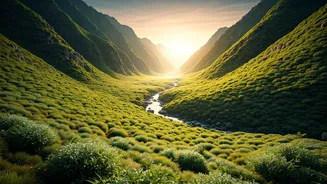
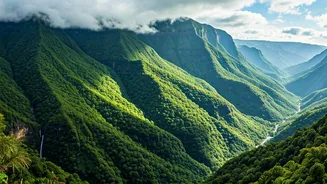
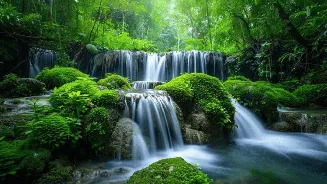
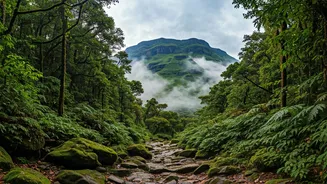
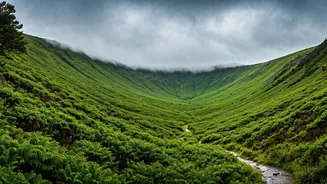
What’s driving this rainy-day rush? The appeal is multi-faceted. First, the aesthetic transformation is undeniable. Parched summer landscapes erupt into a thousand shades of green, waterfalls that were mere trickles become thunderous cascades, and the air is fresh and clean. For trekkers, photographers, and nature lovers, this is the landscape at its most dramatic and alive. Secondly, the 'adventure' part gets a serious boost. Activities like waterfall rappelling, white-water rafting on swollen rivers, and trekking through misty hills are either only possible or significantly more thrilling during the monsoon. Finally, there are the practical benefits. With the summer and winter crowds gone, popular destinations become more accessible and intimate. This often translates to better deals on flights and accommodation, allowing travellers to enjoy premium experiences at a fraction of the peak-season cost. It’s the perfect blend of high adrenaline and low-season prices.
Hotspots for a Drenched Adventure
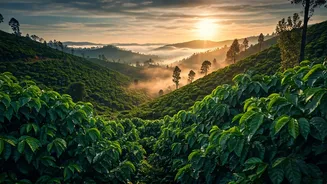
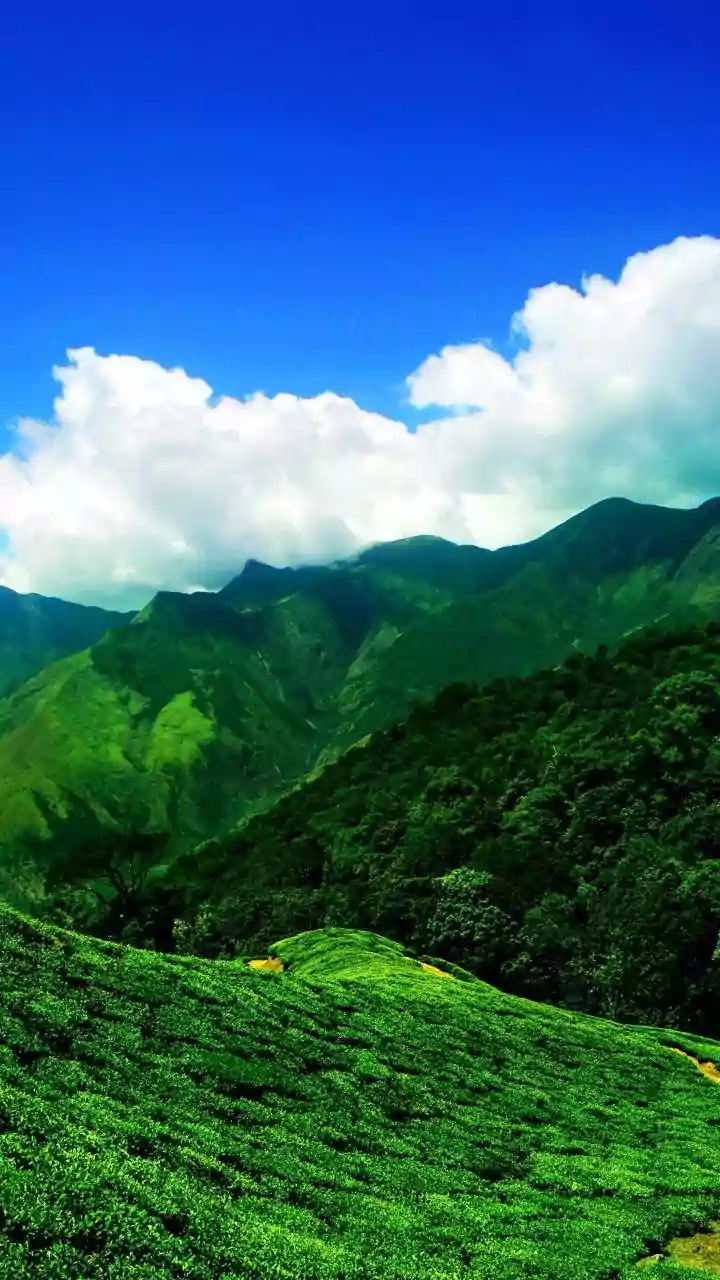
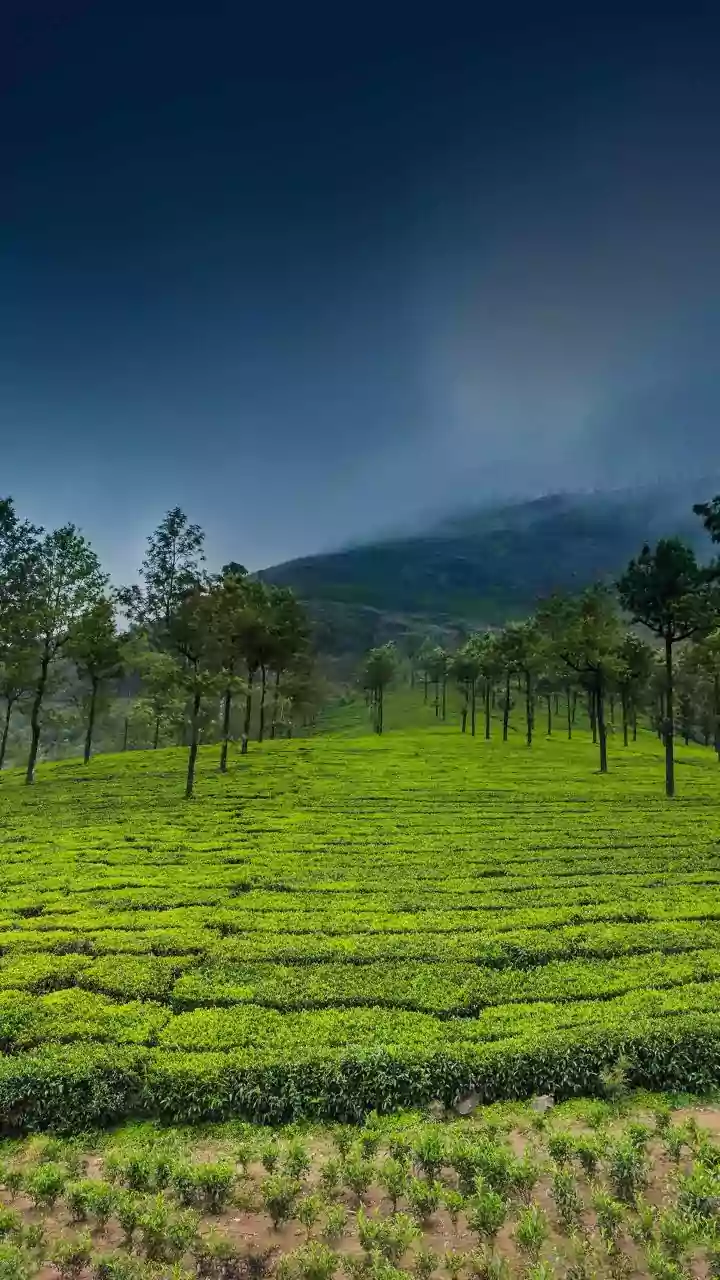
While the entire country feels the monsoon's magic, certain regions have become epicentres for rain-soaked adventure. The Western Ghats, stretching through Maharashtra, Goa, and Karnataka, are a primary draw. Destinations like Lonavala, Mahabaleshwar, and Coorg offer a plethora of trekking trails leading to ancient forts and breathtaking viewpoints enveloped in mist. In Kerala, the 'God's Own Country' narrative takes on a new life. The backwaters are serene, and the hill stations of Munnar and Wayanad are covered in a lush, green carpet, perfect for leisurely hikes and visiting spice plantations. For the truly intrepid, Meghalaya—'the abode of clouds'—offers an unparalleled experience. Home to some of the wettest places on Earth, it’s where you can witness living root bridges in their full glory and trek through landscapes that feel otherworldly. Even Goa, famous for its beaches, reveals a different side, with its spice farms and wildlife sanctuaries becoming prime attractions.
Gearing Up for the Downpour
Embracing monsoon travel requires a bit of smart preparation. Your packing list is key. Swap out cotton for quick-drying synthetic fabrics. A reliable waterproof jacket and a waterproof cover for your backpack are non-negotiable. Invest in footwear with excellent grip to navigate slippery trails—avoid casual sandals. Electronics should be protected in zip-lock or dry bags. Safety is paramount. Always check the weather forecast and local advisories before heading out, as heavy rains can cause landslides or flash floods in certain areas. Inform someone of your itinerary, especially if you're going on a remote trek. When booking, look for properties that are well-equipped for the season, with good ventilation and power backup. By packing smart and staying aware, you can ensure your monsoon adventure is memorable for all the right reasons.