



Beyond the Usual Itinerary
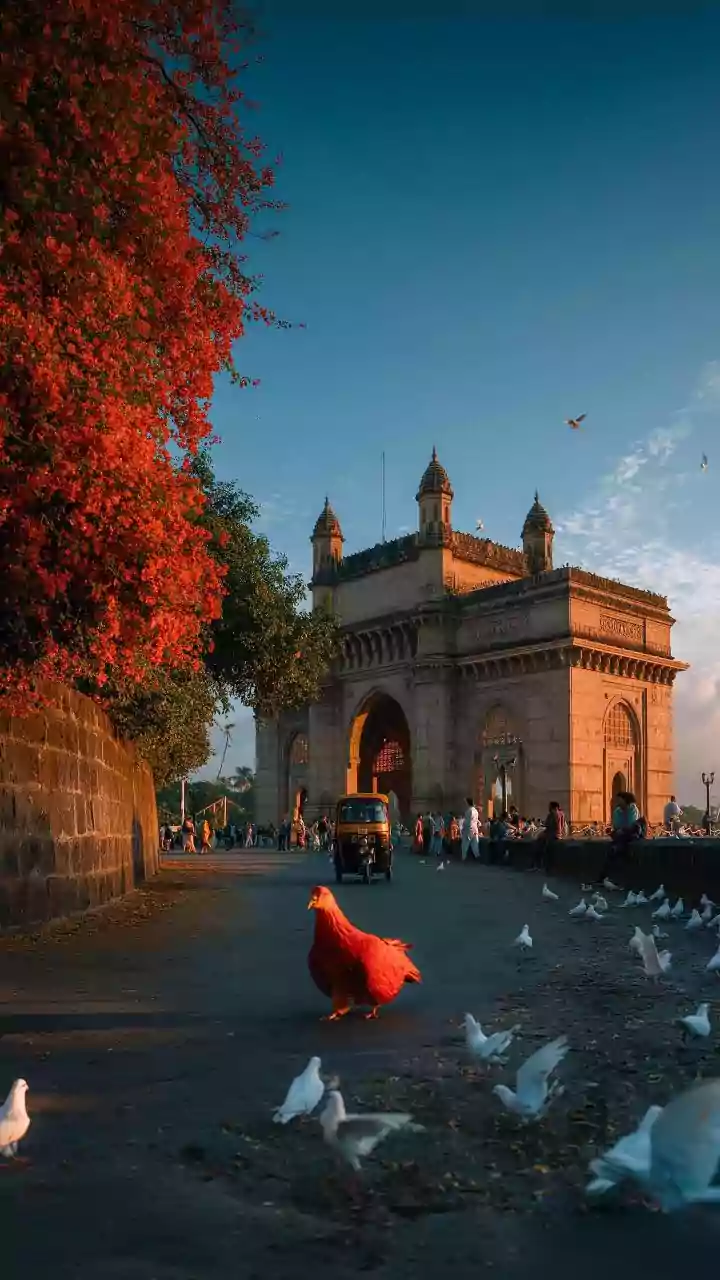
For years, the domestic travel script was well-defined: famous monuments, packed beaches, and bustling city markets. But a significant shift is underway. An increasing number of Indian travellers are now looking past the conventional tourist trail, driven
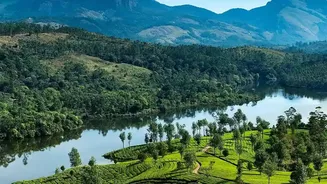
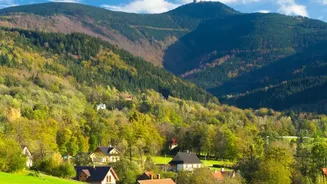
by a desire for authenticity, space, and meaningful experiences. This change in preference is fueling two of the fastest-growing segments in the nation's travel industry: wildlife tourism and rural tourism. Prompted by a post-pandemic yearning for open spaces and a deeper connection with nature and culture, travellers are booking farm stays, wildlife lodges, and village homestays in record numbers.
The Undeniable Call of the Wild
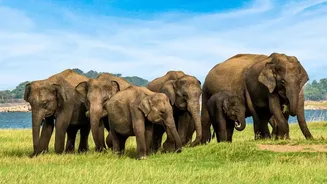
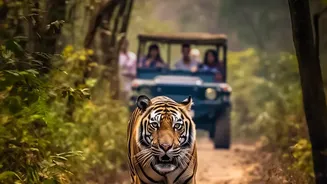
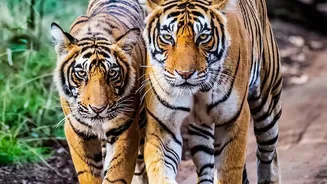
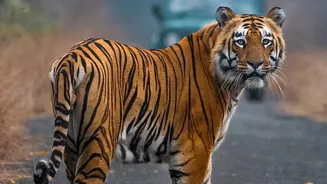
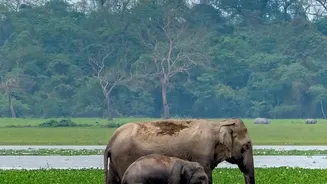
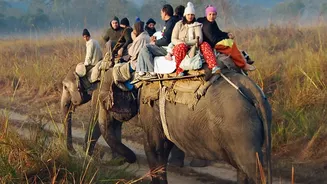
Wildlife tourism in India is experiencing a remarkable boom. The market, valued at over USD 13 billion in 2025, is projected to grow at a compound annual rate of over 10% through 2033. This growth isn't just about a quick jeep safari anymore. Modern travellers, including a growing number of families, couples, and solo explorers, are seeking more profound experiences. They are opting for longer stays of three to five nights, engaging with naturalists, and learning to decode the subtle signals of the forest. This move towards experiential journeys is pushing tourists to explore beyond iconic parks like Corbett and Ranthambore to lesser-known reserves in Satpura and the Northeast, fostering a deeper appreciation for India's biodiversity.
Rediscovering India's Heartland
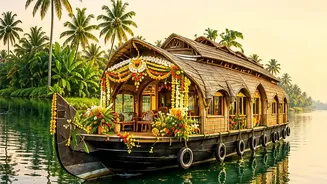
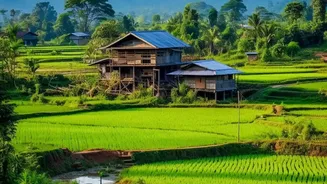
Parallel to the call of the wild is the gentle pull of village life. Rural tourism, which includes everything from farm stays to cultural homestays, is growing rapidly. The organised farm stay market alone is projected to grow nearly fourfold from its 2025 valuation to cross Rs 63,000 crore by 2029. This surge is driven by travellers seeking escape from 'urban fatigue'. They crave authentic cultural immersion, home-cooked meals, and the tranquility of the countryside. This trend is a win-win; it offers city dwellers a much-needed reset while providing a vital, low-capital source of income for rural communities, often by converting existing homes into homestays.
What’s Driving This Change?
Several factors are converging to fuel this trend. The government's 'Dekho Apna Desh' initiative has been pivotal, successfully encouraging Indians to explore their own country and its lesser-known destinations. This has been bolstered by a massive infrastructure push, with new expressways and rail links creating 'tourism corridors' that connect multiple wildlife, heritage, and rural sites. Furthermore, the rise of remote work has untethered professionals from their city desks, enabling longer 'workcations' in scenic locales. This digital-savvy generation of travellers, in turn, shares their unique experiences online, inspiring others to follow suit and venture off the beaten path.
A Sustainable Path Forward
This shift is more than just a passing trend; it represents a move towards a more sustainable and inclusive tourism model. By bringing revenue and jobs to remote and rural areas, this new form of travel helps preserve local cultures and provides strong incentives for conservation. State governments are actively promoting this model, with some like Uttar Pradesh and Chhattisgarh launching specific action plans and awards to boost rural tourism. As travellers increasingly seek experiences that are not just relaxing but also enriching and responsible, the focus on wildlife and rural destinations is set to redefine the future of Indian tourism for years to come.