
The Polished Reality of Marketing Photos
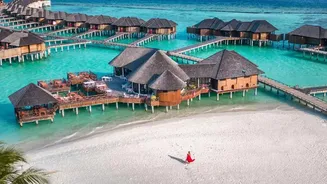
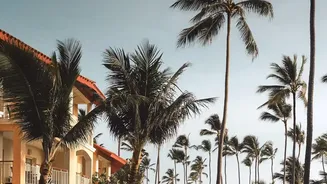
That perfect resort photo that convinced you to book is the result of a carefully controlled process designed to sell an ideal, not document reality. Professional photographers use a range of techniques to make spaces appear more appealing than they are.
Ultra-wide-angle lenses are a key tool, creating an illusion of space by distorting perspective and making a cramped room look like a spacious suite. They also use advanced lighting methods, like blending multiple exposures to create a perfectly lit room with a flawless view outside—a condition that rarely exists in nature. Add to that aggressive staging where all clutter is removed, bedding is steamed, and furniture is meticulously arranged, and you have a recipe for a perfect-looking, but potentially misleading, image. Often, these photos are taken years prior, immediately after a renovation, failing to show the natural wear and tear a property accumulates over time.
Become Your Own Travel Detective
In an age where misleading advertising in the travel industry is a known issue, taking a few extra steps before booking can save you from major disappointment. The core of this strategy is simple: don't rely on a single source of information. By cross-referencing the resort's professional photos with recent, unedited pictures taken by actual guests, you can build a more accurate picture of what to expect. This isn't about being cynical; it's about being an informed consumer. The hospitality industry relies on visual appeal, with studies showing photos play a 60% role in a guest's booking decision. A few minutes of digital investigation ensures your decision is based on the most complete information available.
Where to Find Unfiltered Guest Photos
The most valuable insights come from fellow travellers. The best places to find these candid shots are on major travel review platforms. Websites like TripAdvisor and the guest photo sections on booking sites like Booking.com are invaluable resources; just be sure to filter for photos taken by travellers, not the management. Google Maps is another excellent tool; search for the hotel, click on its photos, and you’ll often find a gallery uploaded by recent visitors. Social media is also a goldmine. Search for the resort’s location tag or relevant hashtags on Instagram to see what people are posting in real-time. These platforms provide a stream of recent, date-stamped images that professional galleries can't match.
What to Look For When Comparing Images
When you have both the professional and traveller photos side-by-side, focus on the details. Look for signs of wear and tear on furniture, scuff marks on walls, or cracked tiles that are absent in the marketing shots. Pay close attention to the actual size of the pool and how crowded it gets, as professional shots are often taken at dawn to appear empty. Check the real view from the window—is that 'ocean view' partially blocked by a new building? Bathroom photos are particularly revealing; traveller shots will show you the actual water pressure, mould in the corners, or outdated fixtures that are expertly hidden in staged photos. Also, compare lighting. If professional shots are bright and airy but guest photos look dark, you're getting a truer sense of the room's ambience.
Reading Between the Pixels
While traveller photos are incredibly useful, they also require context. A single blurry, negative photo may just reflect one person's bad experience. Look for patterns across multiple reviews and photo sets. Do several people post photos of a crowded pool or a dated-looking room? Consistent complaints in text reviews that match visual evidence are a major red flag. Also, consider the date the photos were taken. A picture from three years ago might not reflect the hotel's current condition, for better or worse. Ultimately, the goal is to create a balanced view. Don't let one bad photo dissuade you, but don't let a gallery of perfect marketing images fool you, either.