






The Humidity and Oil Connection
The primary culprit during the rainy season is the spike in humidity. [8] High humidity in the air prevents your sweat from evaporating efficiently. This excess moisture on your skin, combined with increased oil (sebum) production triggered by the humid conditions,
creates a perfect storm. [3, 9, 16] This sticky mixture of sweat and sebum can easily trap dirt and dead skin cells, leading to clogged pores and, consequently, more blackheads, whiteheads, and pimples. [3, 5] Essentially, the moist environment becomes an ideal breeding ground for acne-causing bacteria. [9, 10]
More Than Just Moisture
It isn't just the humidity. Rainwater itself, especially in urban areas, can be laden with pollutants and environmental toxins. [2, 8] When you get caught in a downpour, these particles can settle on your skin, causing irritation and inflammation that may worsen acne. [2, 11] Furthermore, the rainy season can sometimes bring on fungal infections that mimic acne, like pityrosporum folliculitis, which thrives in damp, humid conditions and presents as small, itchy bumps. [8, 11] Even our lifestyle habits, like craving fried, oily foods during a cool, rainy day, can contribute to inflammation and skin issues. [10, 11]
Cleanse, But Don't Overdo It
The foundation of any good monsoon skincare routine is cleansing. It’s crucial to wash your face twice a day with a gentle, pH-balanced cleanser to remove the build-up of oil, sweat, and grime. [2, 6, 17] However, resist the temptation to scrub aggressively or wash more frequently. Over-cleansing can strip your skin of its natural oils, which can ironically trigger your glands to produce even more oil to compensate, leading to a vicious cycle of breakouts. [7, 12] If you get wet in the rain, it’s a good idea to rinse your face with clean water as soon as possible. [11]
Exfoliate Gently
With the increased risk of clogged pores, gentle exfoliation becomes a key ally. Using a mild chemical exfoliant with ingredients like salicylic acid or glycolic acid 1-2 times a week can help dissolve built-up oil and slough off dead skin cells that block pores. [3, 4, 15] This process helps keep your skin clear and allows your other skincare products to penetrate more effectively. Be careful not to over-exfoliate, which can cause irritation and damage the skin barrier. [20]
Moisturise with a Lightweight Formula
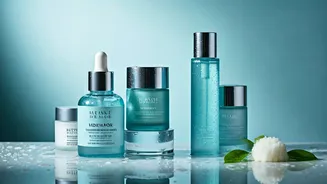
It might seem counterintuitive to moisturise when your skin already feels oily or sticky, but skipping this step is a mistake. [17] Dehydrated skin can lead to increased oil production. [12] The key is to switch to a lightweight, non-comedogenic (meaning it won't clog pores), and gel-based or water-based moisturiser. [2, 19] This will provide necessary hydration without adding extra grease, helping to maintain your skin’s balance and health throughout the humid season. [13, 18]
Don't Forget the Sunscreen
Don’t let the cloud cover fool you; harmful UV rays can still penetrate and damage your skin. [6, 19] In fact, up to 80% of the sun's UV radiation can pass through clouds. [14] Sun damage can worsen acne and cause inflammation. Continue to apply a broad-spectrum sunscreen with an SPF of at least 30 every single day. [6] Opt for a gel-based or water-resistant formula that feels comfortable on the skin even in high humidity. [19]