



Your First Line of Defence: Essential Rain Gear
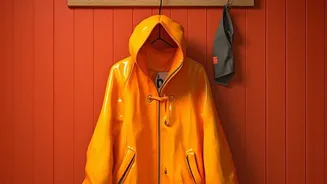
The most basic rule of monsoon travel is to stay as dry as possible, especially when navigating crowded platforms or making your way to the station. Your non-negotiable items are a sturdy, wind-proof umbrella and a lightweight, full-coverage raincoat
or poncho. A poncho can be particularly useful as it can often cover you and a small backpack. Pair this with waterproof footwear. Avoid absorbent materials like canvas or leather; instead, opt for rubber sandals, floaters, or quick-drying sneakers with a good grip to navigate slippery, waterlogged station surfaces safely. Keeping an extra pair of dry flip-flops for use inside the train is also a wise move.
Protect Your Belongings: The Art of Waterproofing
Water can be relentless, seeping into luggage and ruining clothes, documents, and electronics. The best starting point is a waterproof backpack or suitcase, but if you don't have one, a high-quality rain cover for your existing luggage is essential. For an extra layer of security, pack your belongings inside using a system. Use dry bags or even simple zip-lock bags for all electronics—phones, chargers, power banks, and cameras. Keep crucial documents like your tickets, ID, and passport in a separate sealed, transparent pouch for easy access and protection. It's also smart to segregate wet or damp clothes from your dry ones using spare plastic bags to prevent mustiness from spreading.
Health and Hygiene on the Go
The monsoon is notorious for an increase in water-borne diseases and mosquito breeding. Your travel kit should reflect this reality. Pack a potent mosquito repellent and consider wearing long-sleeved clothing during the evening. A hand sanitiser is crucial for maintaining hygiene, especially when soap and water aren't readily available after touching public surfaces. Carry a basic medical kit with medications for common ailments like fever, colds, stomach upsets, and any personal prescriptions. Since train delays are common, pantry services may be disrupted. It's prudent to carry your own bottled water and some non-perishable snacks like biscuits, nuts, or energy bars to avoid relying on unhygienic station food.
Clothing and Comfort for the Journey
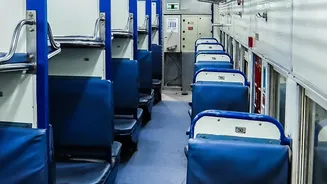
When it comes to clothing, think light and quick-drying. Synthetic fabrics like polyester blends dry much faster than cotton and are less likely to feel damp and heavy in the high humidity. Avoid packing heavy fabrics like denim, which take forever to dry if they get wet. Pack a light shawl or fleece jacket, as air-conditioned coaches can get surprisingly cold, especially when you are slightly damp. A quick-dry microfibre towel is a traveller's best friend; it's more absorbent and dries faster than a standard cotton towel. Packing an extra set of clothes in a sealed bag at the top of your luggage ensures you have something dry to change into upon reaching your destination, no matter the weather you endured.
The Smart Extras: Power and Entertainment
Monsoon train journeys are often long, with delays caused by heavy rain or track maintenance. A fully charged power bank isn't a luxury; it's a necessity to keep your phone operational for communication, navigation, and entertainment. Since mobile signals can be patchy during storms, download your movies, playlists, or books before you leave. Another old-school but effective item is a newspaper; it can be used to stuff into wet shoes to help them dry faster from the inside. Finally, small locks for your luggage can provide peace of mind in crowded compartments, allowing you to relax and enjoy the verdant, rain-washed views outside your window.