



The Science of Scent and Flavour
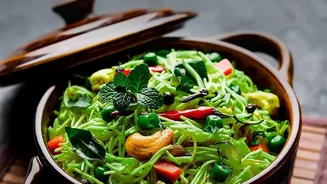
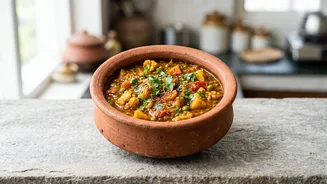
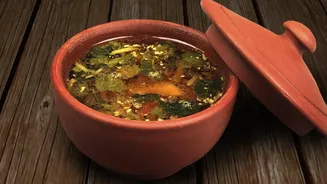
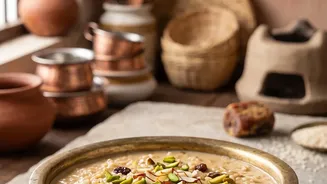
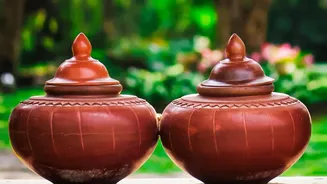
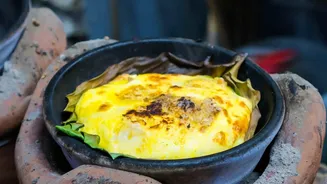
The magic behind the distinct aroma and enhanced flavour of food cooked in an earthen pot, or 'handi', lies in its porous nature. Unlike metal or glass, unglazed clay is permeable, allowing heat and moisture to circulate evenly throughout the pot during
the cooking process. This creates a self-basting effect, where steam is trapped and continuously recirculates, letting ingredients simmer in their own juices. This slow, gentle process prevents the aggressive evaporation of volatile aromatic compounds, which means the flavours of spices, herbs, and vegetables become deeper and more concentrated. Furthermore, the clay itself can impart a subtle, pleasant earthiness that metal cookware simply cannot replicate.
Gentle Heat and Nutrient Preservation
One of the most significant health benefits of earthenware cooking is its ability to preserve nutrients. Metal pans heat up quickly and can create hot spots, and this harsh, direct heat can destroy delicate, heat-sensitive nutrients like vitamin C and various B vitamins. Clay, on the other hand, is a natural insulator that heats up slowly and distributes warmth evenly. This gentle, uniform heat cooks food thoroughly without subjecting it to the extreme temperatures that cause nutrient breakdown. Because moisture is also well-retained, water-soluble vitamins are less likely to be lost in escaping steam; instead, they remain within the dish.
Balancing Acidity and Aiding Digestion
Another fascinating property of clay is its natural alkalinity. Many common ingredients in Indian cooking, such as tomatoes, tamarind, and citrus, are acidic. When cooked in a clay pot, the alkaline surface of the earthenware interacts with the food, helping to neutralise its pH. This not only results in a rounder, less sharp flavour but can also make the food easier to digest, potentially reducing issues like acid reflux for sensitive individuals. This principle is deeply rooted in Ayurvedic wisdom, which has long recommended clay vessels for preparing meals that are gentle on the stomach.
Cooking with Less Oil
The excellent heat retention and moisture-locking properties of clay pots mean that less oil is generally required for cooking. The constant circulation of steam inside the pot prevents food from sticking and drying out, a common issue with some metal cookware that often requires adding more fat. The ability to cook food in its own juices and steam reduces the need for added oils to create moisture and flavour, leading to lighter, lower-fat meals without sacrificing taste or texture. This makes earthenware a great choice for health-conscious cooks looking to reduce their overall fat intake.
Embracing a Culinary Tradition
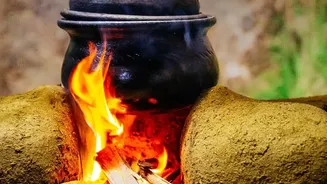
Beyond the scientific benefits, using earthenware connects us to a rich culinary heritage that spans thousands of years. From the rural 'chullah' to the royal kitchens of ancient India, clay pots have been a cornerstone of food preparation. Choosing to cook with a handi is more than just a technique; it's a mindful practice that encourages a slower, more deliberate approach to cooking. To get started, ensure you purchase an unglazed, food-grade pot from a trusted source. Before its first use, a new pot needs to be 'seasoned'—typically by soaking it in water for several hours and then letting it air dry completely. This process strengthens the pot and prepares it for cooking.