






The Climate Data Deluge
Understanding our planet’s climate is one of the most complex challenges humanity faces. It involves tracking countless variables, from global temperatures and ocean currents to atmospheric gas concentrations and polar ice melt. For decades, scientists
have relied on powerful supercomputers to run simulations, but the sheer volume of data being generated today is immense. Traditional analytical methods, while robust, can be slow and struggle to process the terabytes of information streaming in daily from satellites, weather stations, and a global network of sensors. This data explosion creates a bottleneck, slowing down the pace of discovery and our ability to respond to a rapidly changing environment. It's a bit like trying to drink from a firehose; the information is there, but it's too much to absorb effectively.
Building Faster, Smarter Climate Models
One of the most significant applications of AI in climate science is in supercharging climate models. These models are essential for projecting future climate scenarios, but they are computationally expensive and time-consuming to run. AI, particularly machine learning, can analyse historical data to identify complex, non-linear patterns that traditional models might miss. This allows for the development of AI-driven models that can run simulations much faster and at a higher resolution. For example, AI can help refine how models represent cloud cover, a notoriously tricky variable that has a huge impact on temperature projections. By learning from real-world observations, AI can create more accurate simulations, giving scientists and policymakers a clearer picture of what to expect in the coming decades.
Predicting Extreme Weather with Greater Accuracy
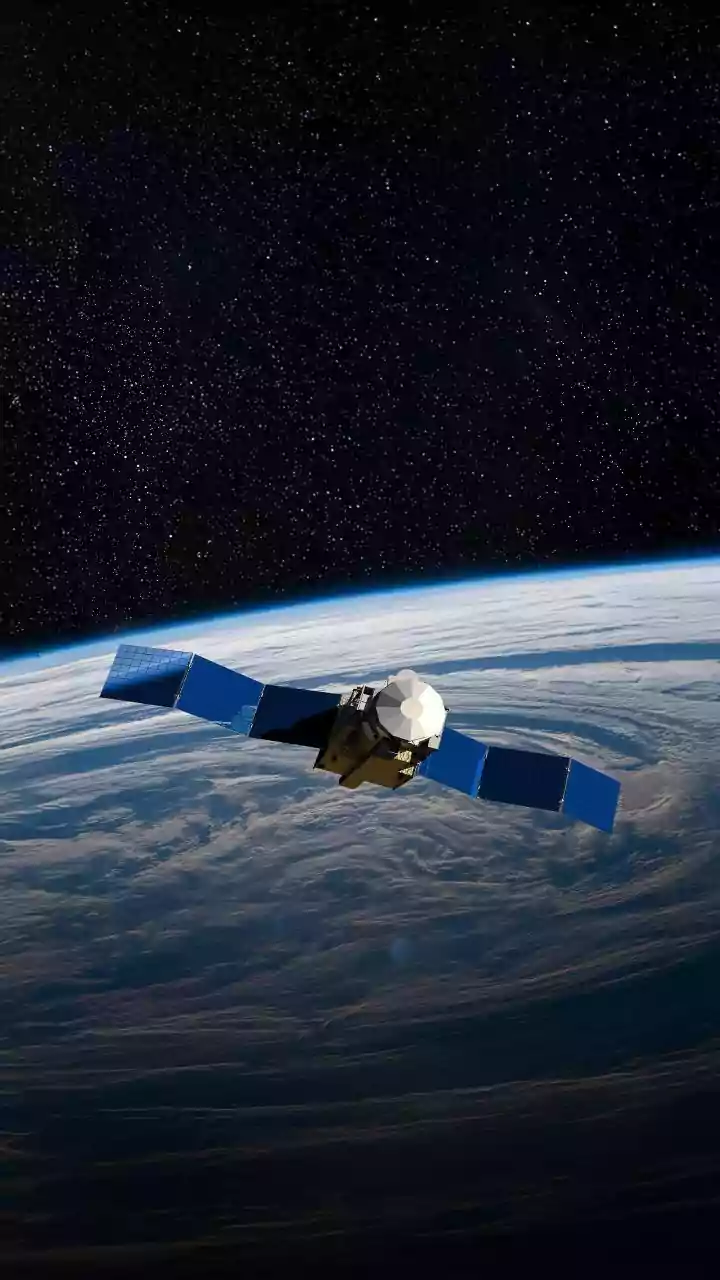
Beyond long-term projections, AI is making a real-time difference in forecasting extreme weather events. Machine learning algorithms are being trained on decades of weather data to recognize the subtle precursors to events like hurricanes, floods, and heatwaves. This enables more accurate and timely warnings, which can be crucial for saving lives and property. For instance, AI models have shown they can predict the path and intensity of cyclones with greater precision and provide longer lead times for communities to prepare. In some cases, AI tools can achieve the same accuracy as top-of-the-line conventional forecasting methods but with significantly less computational power, potentially making advanced warnings more accessible globally.
Holding Polluters Accountable from Space
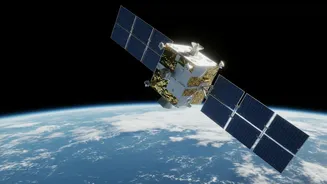
Another transformative application is using AI to monitor greenhouse gas emissions. Historically, tracking emissions relied heavily on self-reporting from countries and companies, which could be slow and incomplete. Now, AI algorithms are being used to automatically analyse vast amounts of satellite imagery and data from other sensors. These systems can detect the specific heat signatures of methane plumes from leaky pipelines or pinpoint carbon dioxide emissions from individual power plants. This creates an unprecedented level of transparency and accountability. Organizations like Climate TRACE use AI to compile a detailed, asset-level inventory of global emissions, making it possible to see exactly where the pollution is coming from in near real-time.
The Challenges and Path Forward
Despite its immense potential, the use of AI in climate science is not without its challenges. A significant concern is the large energy and water footprint of the data centres required to train and run complex AI models. There's a paradox in using an energy-intensive technology to solve a climate crisis. Furthermore, the effectiveness of any AI model is dependent on the quality and availability of its training data; biases or gaps in the data can lead to inaccurate or inequitable outcomes. There's also the "black box" problem, where it can be difficult to understand exactly how a deep learning model arrives at its conclusions, making it hard to trust in high-stakes situations. Researchers are actively working on developing more transparent and energy-efficient AI to address these issues.