




The Modern Co-Living Challenge
Co-living is no longer a niche concept but a mainstream reality for students and young professionals across India. These shared spaces, from Bangalore to Delhi NCR, are hubs of ambition and activity. However, they also present a complex design puzzle:
how do you create a cohesive and comfortable living room that caters to multiple individuals with different needs, tastes, and schedules, all within a limited footprint?. The living room is the heart of the home, a place for relaxation, socialising, and even work. In a co-living setup, this multi-functionality is amplified. One resident might need a quiet corner to read, while another hosts a movie night. The challenge is to accommodate these diverse activities without the space descending into chaos, all while respecting the temporary nature of rental living.
Enter Modular: The Ultimate Problem-Solver
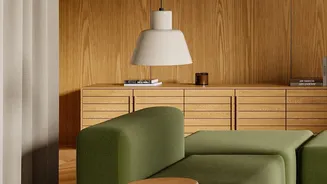
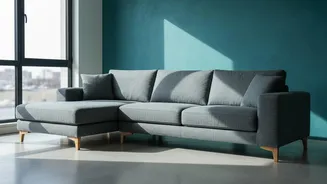
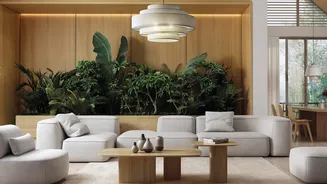
This is where flexible, modular decor proves its essential worth. Unlike traditional, static furniture, modular pieces consist of individual, independent units that can be combined and reconfigured in countless ways. Think of them as building blocks for adults. A modular sofa can be an L-shape one day, two separate couches the next, or even a sprawling U-shape for a party. This inherent adaptability makes it the perfect solution for the dynamic and often unpredictable environment of a shared metro home. It’s a design philosophy built for a lifestyle that values flexibility, convenience, and intelligence.
Maximising Every Square Inch
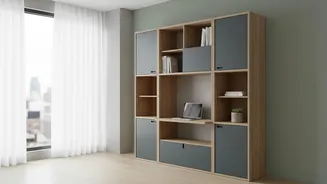
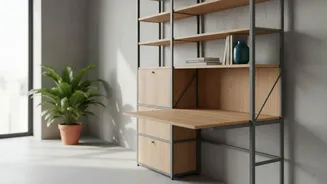
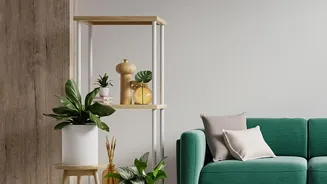
In metro cities, space is the ultimate luxury. Co-living spaces, by design, aim to be efficient, and modular furniture is a key ally in this mission. Vertical, modular shelving can be configured to fit awkward wall spaces, providing ample storage without a large footprint. Ottomans with hidden storage can serve as extra seating, a footrest, or a place to stash away clutter like blankets and magazines. Even coffee tables can be modular, with nesting parts that can be separated for individual use or combined to save space. This approach allows residents to maximise the utility of the living room, creating distinct zones for different activities within a single, open area.
Personalisation in a Shared World
One of the biggest hurdles in a shared home is blending different personal styles. Modular decor helps solve this by allowing for individual expression within a unified framework. Residents can personalise their section of a modular sofa with their own cushions and throws. Modular shelving units allow each person to curate their own shelf with books, plants, and personal items, creating mini-galleries that reflect their personality. This ability to customise prevents the common area from feeling sterile or generic and empowers residents to feel a sense of ownership and home, even in a temporary setting.
A Smart, Future-Proof Investment
The transient nature of co-living means residents are always thinking about the next move. Investing in bulky, traditional furniture is often impractical and financially unwise. Modular pieces, on the other hand, are a long-term, cost-effective solution. They are easier to move, as they can be transported piece by piece, fitting through narrow doorways and staircases with ease. As your life changes—whether you move to a larger flat or a smaller one—the furniture adapts with you. You can add, subtract, or rearrange sections to fit your new space perfectly. Furthermore, if one component gets damaged, you often only need to replace that single piece, not the entire set.