




BUY: Mangoes
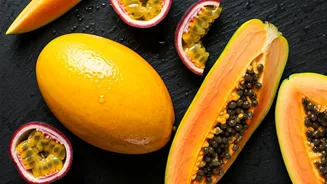
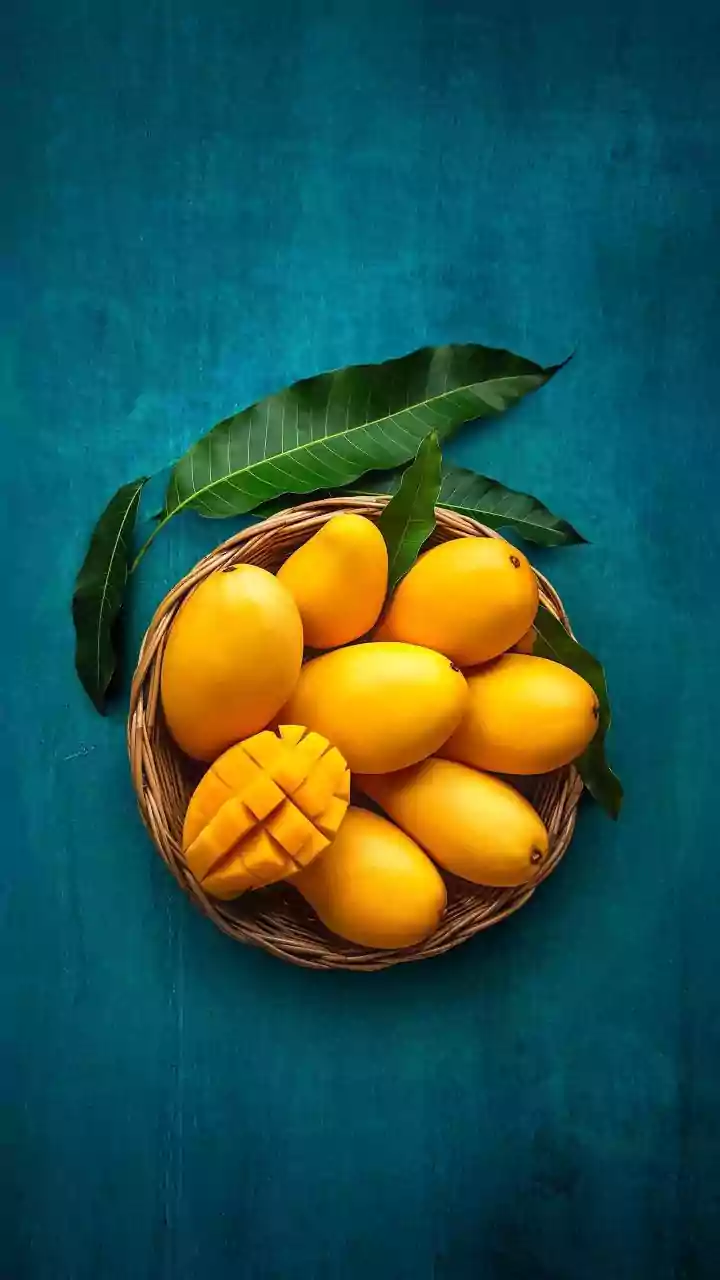
Forget the hard, stringy mangoes of winter. Summer is when this fruit truly becomes the king it’s meant to be. Varieties like the Ataulfo (or honey mango) from Mexico, and later in the season, the Kent and Keitt from Florida and California, are at their
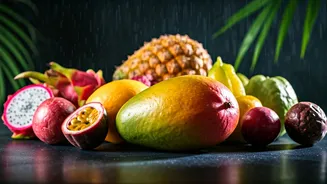
absolute peak. They are creamy, honey-sweet, and virtually free of fibrous strands. Look for mangoes that give slightly when pressed gently, similar to a peach or avocado. A fruity, aromatic smell at the stem is another tell-tale sign of ripeness. A few wrinkles on the skin, particularly on honey mangoes, often indicate peak sweetness. Avoid rock-hard fruits with a green, vegetal smell, as they were likely picked too early and will never ripen properly. For a simple treat, just slice and eat, or blend into a classic lassi with yogurt and a pinch of cardamom.
BUY: Lychees and Rambutans
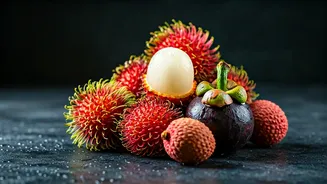
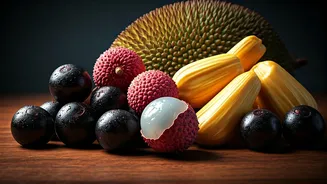
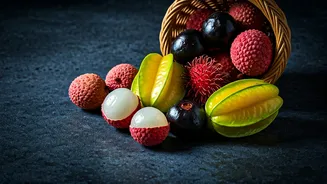
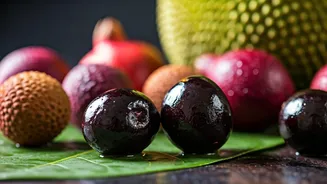
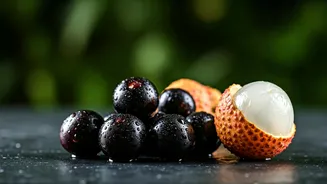
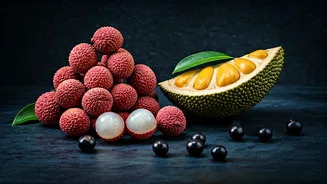
These cousins are the ultimate summer treat. If you see fresh lychees or their spiky-haired rambutan relatives, grab them. Available for a frustratingly short window from late spring through mid-summer, they are the definition of seasonal eating. The best lychees have vibrant, pinkish-red shells that aren’t overly dry or cracked. For rambutans, look for bright red or yellow shells with green-tipped spikes. Brown or black spikes mean they’re past their prime. Inside, you’ll find a sweet, fragrant, and floral translucent white flesh surrounding a single seed. They are incredibly refreshing on a hot day. Peel them, pop them in your mouth, and you'll understand why they are so prized in their native Southeast Asia. They also make a stunning addition to cocktails and fruit salads.
BUY: Dragon Fruit (Pitaya)
Once a niche specialty item, dragon fruit is now widely available, and summer is its time to shine. While its flavor is more subtle than its electric-pink exterior suggests—often described as a mild cross between a pear and a kiwi—a perfectly ripe one is a hydrating and visually stunning delight. Look for fruit with bright, evenly colored skin. A few spots are normal, but avoid any with major blemishes, dry-looking “wings,” or a shriveled stem. The fruit should give just a little when pressed. The white-fleshed variety is most common, but if you can find the magenta-fleshed or yellow-skinned types, they are often sweeter and more flavorful. Slice it in half and scoop out the flesh with a spoon for a simple, refreshing snack packed with antioxidants.
BUY: Jackfruit
While often seen canned as a meat substitute, fresh, ripe jackfruit is a completely different experience. During the summer, you may find whole jackfruit or, more manageably, pre-cut sections in Asian markets or specialty grocery stores. Ripe jackfruit has a powerful, unique aroma—a mix of pineapple, banana, and bubblegum—and a sweet, chewy flesh. The pods have a satisfying texture and a complex tropical flavor. It’s a commitment, as breaking down even a section of jackfruit can be a sticky affair (use oiled hands and a knife!), but the reward is a massive amount of delicious fruit. It’s a true taste of the tropics that reaches its peak during the hottest, wettest months.
SKIP: Out-of-Season Apples
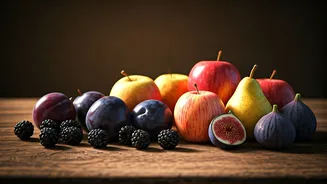
Apples are the quintessential fall fruit. The ones you find in supermarkets during the peak of summer are often last year's harvest, pulled from cold storage. While storage technology is impressive, it can’t stop the slow decline of quality. Summer apples tend to be mealy, with a dull, flat flavor, a far cry from the crisp, explosive bite of a freshly picked Honeycrisp or Granny Smith in October. The high humidity of summer also doesn't do them any favors once you get them home, as they can go soft quickly. Save your apple cravings for the fall, when you’ll be rewarded with peak freshness and flavor.
SKIP: Delicate Berries in the Deepest Heat
While early summer is prime berry season, the oppressive heat and humidity of late July and August can be tough on delicate raspberries and even some strawberries. They are highly susceptible to mold and can turn from perfect to mush in a matter of hours, especially during transit or on a grocery shelf. Unless you're buying them directly from a local farm where they were picked that morning, exercise caution. Inspect the package carefully for any signs of moisture, mold, or crushed fruit at the bottom. You’re often better off enjoying heartier summer fruits that are built to withstand the heat.