



Start with the Right Orange
Not all oranges are created equal when it comes to baking. For a classic, all-purpose orange, Navel oranges are a great choice. They are sweet, seedless, and have a thick rind that is perfect for zesting. Cara Cara oranges, with their beautiful pinkish
flesh, are sweeter and less acidic, offering subtle berry-like notes that work well in cakes and glazes. If you want a dramatic colour and a more complex, tart flavour, a Blood orange is an excellent option; its juice and zest can give desserts a stunning crimson hue and a flavour reminiscent of raspberries. Valencia oranges are exceptionally juicy and have a great balance of sweet and tart, making them ideal for glazes and syrups.
Unlock Maximum Orange Flavour
The secret to an intense orange taste lies in the peel. The zest contains concentrated oils that hold the fruit's signature flavour and aroma. The juice provides some taste, but its flavour can become muted during baking. To get the most from your zest, use a microplane to remove only the outer orange layer, avoiding the bitter white pith underneath. A pro tip is to rub the fresh orange zest into the sugar at the beginning of your recipe. The sharp sugar crystals help break down the zest and release its fragrant oils, infusing your entire batter with a powerful citrus essence.
The Key to a Moist, Tender Crumb
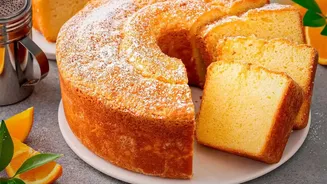
A dry, crumbly orange cake is a common disappointment. One of the main culprits is overmixing the batter after adding the flour, which develops gluten and can lead to a tough, dense texture. To ensure a moist cake, incorporate ingredients like oil, buttermilk, or yogurt. Using oil instead of butter can result in an incredibly soft cake that stays moist for days. Also, ensure all your ingredients, especially eggs and liquids, are at room temperature before you begin. This helps them combine more evenly, creating a smoother batter and a better final texture.
Finishing Touches: Syrups and Glazes
A simple finishing touch can transform a good orange cake into a great one. For an extra hit of moisture and flavour, consider an orange syrup. While the cake is still warm, poke holes across its surface with a skewer and pour over a mixture of fresh orange juice and a little sugar. The syrup will seep into the crumb, making it incredibly tender and flavourful. Another option is a classic glaze. A simple mix of powdered sugar and fresh orange juice, whisked until smooth, can be drizzled over the cooled cake for a sweet, tangy finish that adds both shine and a concentrated burst of citrus.
Beyond the Cake: Other Orange Delights
Once you've mastered the cake, the world of orange desserts opens up. The same principles apply to a wide range of treats. Try making classic Orange Bars, which feature a sweet, tangy orange curd on a buttery shortbread crust. For something elegant and easy, an Orange Posset requires just cream, sugar, and orange juice, setting into a silky, rich dessert with no baking required. You can also create an impressive Blood Orange Upside-Down Cake, where caramelized slices of blood orange create a stunning, jewel-like topping. From muffins and cookies to tarts and sorbet, orange is a versatile flavour that can brighten any dessert menu.