

The Reign of Restraint
Not long ago, scrolling through social media or flipping through a decor magazine meant entering a world of serene, uniform neutrality. The all-beige aesthetic—often paired with its cousins, greige and oatmeal—became the undisputed king of interior design.
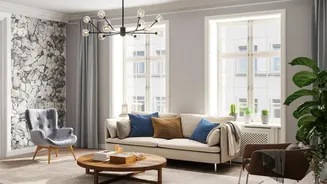
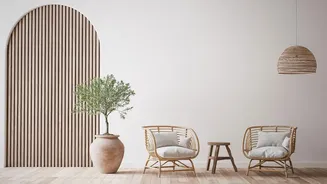
This look, influenced by Scandinavian minimalism and the 'quiet luxury' movement, promised a retreat from a chaotic world. It was clean, safe, and sophisticated. Beige was seen as a dependable and classic choice, the colour of stability in uncertain times. This aesthetic thrived on platforms like Pinterest and Instagram, where its photogenic simplicity created a replicable formula for a 'good taste' home, championed by influencers and celebrities alike.
A Shift Towards Joy
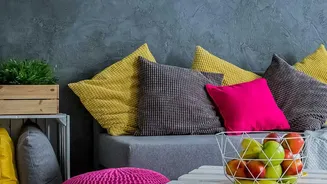
So why is the beige bubble bursting? After years spent more intimately with our homes, a craving for spaces that do more than just look calm has emerged. We're seeking personality, joy, and emotional connection—qualities that a strictly monochrome palette can sometimes stifle. The trend reversal is a rebellion against the 'cookie-cutter' showroom look, reflecting a desire for homes that tell a personal story. This has given rise to concepts like 'Dopamine Decor,' a design philosophy built around using colour, pattern, and meaningful objects to create happiness. It’s a psychological shift from wanting homes that are merely stylish to needing homes that make us feel good.
The Language of Texture
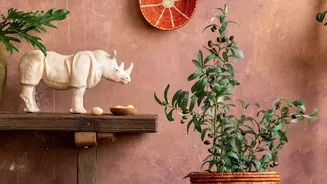
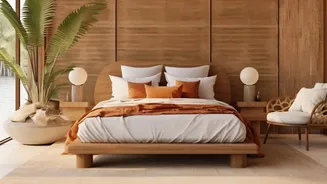
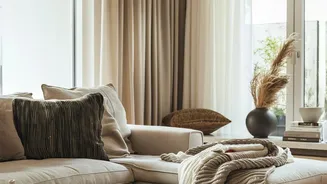
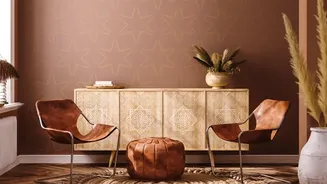
The antidote to flat, monochrome design is texture. This is the new frontier of neutrals, moving beyond just colour to engage our sense of touch. Texture is what makes a room feel layered, lived-in, and authentic. Think of the contrast between rough-hewn wood, soft bouclé fabric, plush velvet, crisp linen, and hand-woven rattan. These 'hyper-tactile' surfaces create visual interest and depth, even within a limited colour palette. The move is away from smooth, mass-produced perfection and towards materials that feel sculptural, natural, and deeply human. Instead of a single shade of beige, the new approach layers warm, earthy tones like terracotta, olive, and clay, creating a rich yet calming environment.
How to Weave Texture into Your Home
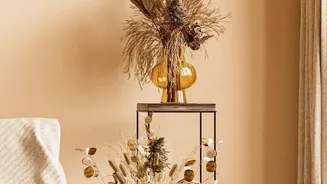
Embracing this trend doesn't mean you need to discard all your beige belongings. The key is to layer and add, not just replace. Start small by introducing different textiles. Mix a chunky knit throw on a linen sofa. Add velvet cushions to an armchair. Place a jute or wool rug on the floor to anchor the space. Play with different materials in your decor: ceramic vases, wooden bowls, and metallic accents can break up visual monotony. Don't forget the walls; options like limewash paint or block-print wallpaper can add immense character and a hand-crafted feel. The goal is to create a 'curated abundance'—a space that feels thoughtfully collected over time, not ordered from a single catalogue.
A Return to Artisanal Roots
For Indian homes, this global trend towards texture and personality resonates deeply with a rich heritage of craftsmanship. It’s an invitation to look inward and celebrate local materials and artisanal skills. Think of the intricate patterns of hand-blocked fabrics from Rajasthan, the earthy appeal of terracotta pottery, the warmth of hand-carved wooden furniture, or the vibrant stories woven into silk and cotton textiles from across the country. Integrating these elements is not just a design choice; it's a way of connecting with cultural roots and supporting a renaissance of the handmade. This shift offers a chance to create a home that is not just globally on-trend, but also uniquely and beautifully Indian.