

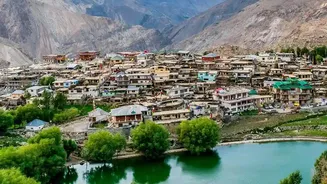
The Great Migration From Urban Burnout
For decades, the path to a successful tech career in India was a one-way ticket to a bustling metropolis like Bengaluru or Gurugram. That path, however, often came with a heavy price: exorbitant rents, relentless traffic, chronic pollution, and a culture
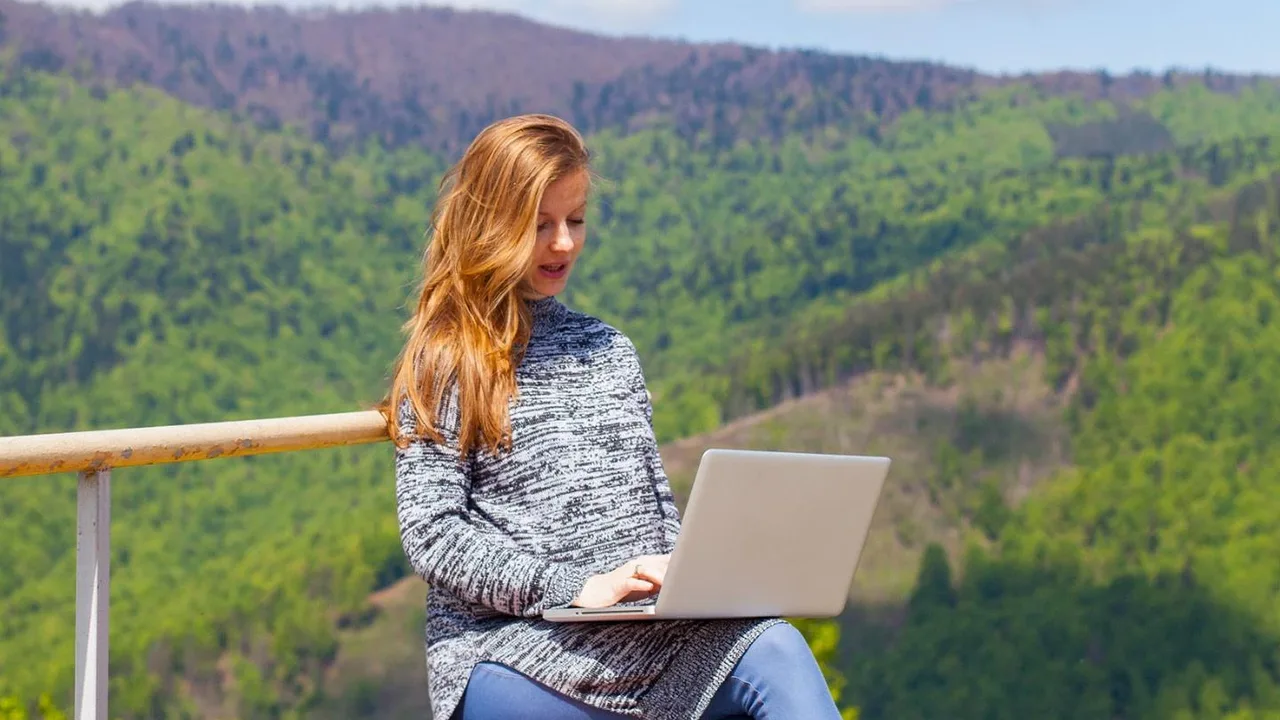
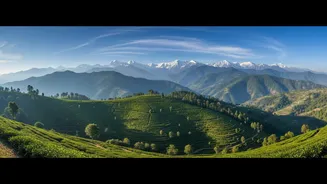
of burnout. The daily grind of long commutes and high living costs left many professionals feeling financially strained and mentally exhausted. The pandemic-induced shift to remote work acted as a catalyst, proving that productivity wasn't tied to a physical office. As a result, a growing number of young freelancers are now consciously choosing to leave the urban jungle behind, seeking not just a change of scenery, but a fundamental improvement in their quality of life.
A Strategic Financial Decision
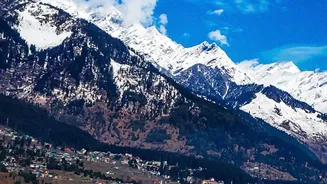
Moving to the mountains is more than just an escape; it's a smart financial move. The cost of living in Himachali towns like Dharamshala, Manali, or Bir is a fraction of that in major cities. A monthly budget that would barely cover rent for a small apartment in a metro can sustain a comfortable lifestyle in the hills, including accommodation, food, and utilities. For instance, freelancers report paying between ₹10,000 to ₹15,000 for a one-bedroom apartment, sometimes with Wi-Fi included—an amount often spent on rent alone in a city. This financial freedom allows them to save more, invest in their skills, and reduce the pressure of chasing high-paying but stressful projects.
The Connectivity Question, Answered
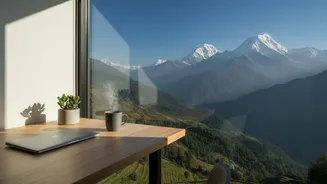
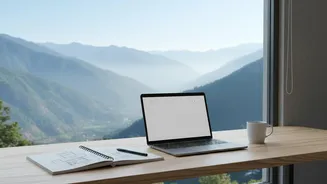
Historically, the biggest barrier to working from the mountains was unreliable internet. That is no longer the case. The digital infrastructure in Himachal Pradesh has seen a massive upgrade. Major towns now have access to high-speed fibre broadband from providers like Jio and Airtel, with speeds reaching up to 300 Mbps in many areas, which is more than sufficient for video calls and large file transfers. The rollout of 5G has further improved mobile connectivity, providing a reliable backup. While power cuts can still occur, especially during monsoons, most co-living spaces and guesthouses catering to remote workers now offer power backup as a standard amenity.
An Ecosystem of Co-working and Co-living
Freelancing can be isolating, but the move to the mountains doesn't have to be a solitary one. A vibrant ecosystem has sprung up to support this new wave of digital nomads. Hubs like Dharamshala, Manali, and Bir are now dotted with co-working spaces and co-living facilities such as Alt Life, NomadGao, and The Void. These places offer more than just a desk and fast Wi-Fi; they provide a built-in community. They host events, workshops, and social gatherings, allowing freelancers, creators, and entrepreneurs from diverse backgrounds to connect, collaborate, and combat the loneliness that can sometimes accompany remote work.
The Unbeatable Wellness Dividend
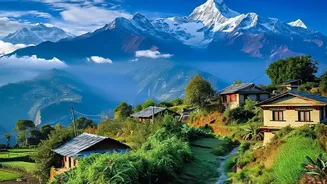
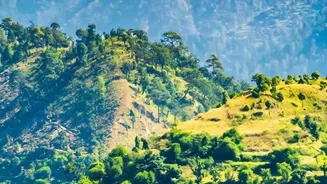
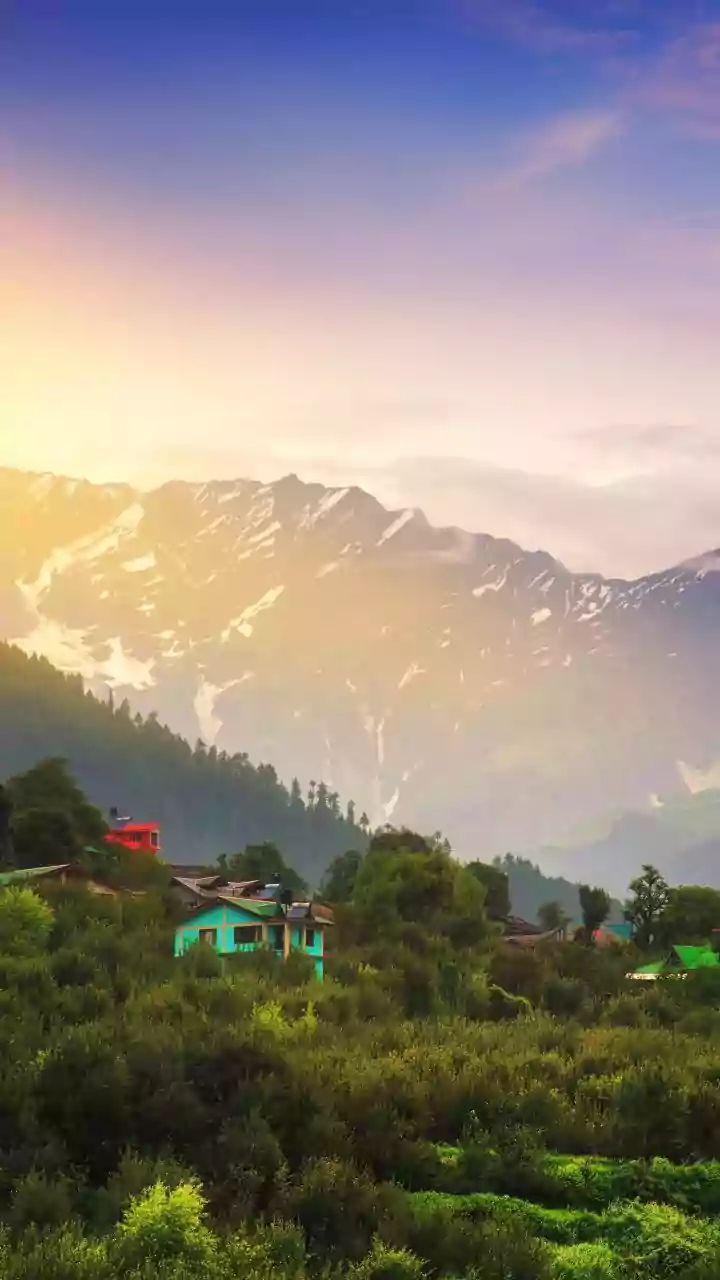
Perhaps the most significant benefit is the improvement in overall well-being. Swapping polluted city air for crisp mountain air, and traffic noise for the sound of birds, has a profound impact on mental and physical health. Studies have shown that immersion in nature reduces stress and enhances cognitive performance. The lifestyle encourages physical activity, with hiking trails, yoga retreats, and opportunities for exploration right at one's doorstep. This blend of productivity and peace allows freelancers to find a healthier, more sustainable work-life balance, turning the dream of 'work from mountains' into a fulfilling reality.