







The Golden Rule: Embrace Flexibility
The single most powerful tool for a stress-free monsoon journey is flexibility. Unpredictable weather means rigid plans are the first casualty. Airlines understand this and offer 'flexi fares' that allow you to change travel dates for a nominal fee or,
in some cases, for free. While these tickets might cost a few hundred rupees more upfront, they are a valuable insurance policy against bigger losses. If a storm is forecast for your travel day, a flexi fare lets you proactively switch to an earlier flight without a hefty penalty. Beyond just tickets, flexibility is a mindset. Build buffer days into your itinerary. Instead of a packed schedule, allow for the possibility of delays. This simple shift in planning can transform a stressful disruption into a minor inconvenience, perhaps an opportunity to explore the airport or simply relax. For critical trips, travel insurance that specifically covers weather-related disruptions, trip delays, and missed connections can be a wise, low-cost investment for peace of mind.
Why a Clear Record Matters
The second half of the headline—a 'clear record'—refers to your conduct as a passenger. During weather delays, airport terminals can become tense environments. Ground staff and cabin crew are under immense pressure. A calm, polite demeanour can make a significant difference in how your requests are handled. However, this goes beyond mere politeness. The Directorate General of Civil Aviation (DGCA) has a 'Zero Tolerance' policy for unruly passenger behaviour. Actions like harassing staff, smoking, unauthorised alcohol consumption, or refusing to follow crew instructions can land you on a No-Fly List, with bans ranging from 30 days to over two years. In a high-stress situation like a monsoon delay, a passenger with a history of disruptive behaviour faces greater scrutiny. Conversely, a passenger with a clear record who communicates respectfully is more likely to receive helpful and timely assistance. Maintaining a good record ensures that when you genuinely need help, your case is viewed on its merits, without the shadow of past misconduct.
Your Pre-Flight Monsoon Checklist
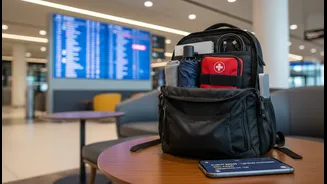
Preparation is key to mitigating monsoon travel woes. One of the most effective strategies is to book morning flights. Thunderstorms and heavy showers tend to build up in the afternoon and evening, so early departures face a lower risk of weather-related delays. Airports like Mumbai and Kolkata are most affected during peak monsoon months, so if you are flying to or from these cities, an early flight is even more crucial. Before leaving for the airport, always check your flight status on the airline's app, which provides the most current information. Due to potential traffic jams from waterlogging, leave for the airport much earlier than you normally would. Finally, pack a smart carry-on bag with essentials for a potential long delay: a power bank, any necessary medications, a change of clothes, and some snacks. Assuming your checked baggage will always arrive with you is a risky bet during monsoon season.
Know Your Rights During Disruptions
When delays or cancellations happen, knowing your rights as a passenger is empowering. According to DGCA regulations, weather-related disruptions are considered 'extraordinary circumstances', meaning airlines are not required to pay cash compensation. However, they are still obligated to provide care. If your flight is significantly delayed, the airline must provide you with meals and refreshments. If a flight is cancelled, the airline must offer you the choice between a full refund or a booking on an alternative flight. For overnight delays, airlines are often required to provide hotel accommodation and transport. Keep all communication from the airline and your boarding pass. If you feel your rights are not being honoured, you can first approach the airline's staff. If unresolved, you can file a grievance on the government's AirSewa portal.