




What Makes a Plant 'Beginner-Friendly'?
Before diving into specifics, it helps to understand what makes a houseplant easy to care for. Generally, beginner-friendly plants share a few key traits: they are tolerant of a wide range of conditions, they bounce back from occasional neglect, and they don't
demand constant attention. These resilient plants can handle inconsistent watering schedules and less-than-perfect lighting. This forgiveness is crucial, as it provides a buffer for new gardeners learning the ropes. Rather than punishing you for a mistake, plants like the ZZ and Pothos are more likely to survive, giving you time to learn their needs and build your confidence.
The ZZ Plant: Stylish and Nearly Indestructible
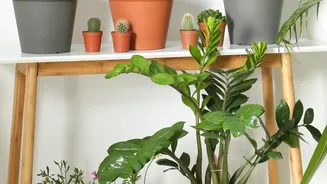
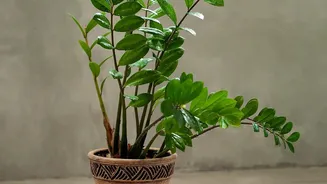
The Zamioculcas zamiifolia, or ZZ plant, is a superstar of low-maintenance greenery. With its deep green, glossy leaves arranged on elegant, arching stems, it adds a touch of modern style to any room. But its real appeal for beginners lies in its incredible resilience. The ZZ plant is extremely drought-tolerant because it stores water in its thick, underground rhizomes. This means it can go for weeks without water and would much rather be too dry than too wet. In fact, the most common way to harm a ZZ plant is by overwatering it. It is also highly adaptable to different light levels, thriving in bright, indirect light but also tolerating low-light corners of a home or office. This flexibility removes the stress of finding a perfect, sunny spot, making it a reliable choice for almost any indoor space.
The Pothos: A Fast-Growing and Forgiving Vine
Often called Devil's Ivy because it's so hard to kill, Pothos (Epipremnum aureum) is another top contender for the ideal beginner plant. This trailing vine with attractive, heart-shaped leaves is known for its forgiving nature and rapid growth. It’s an excellent communicator; if its leaves start to droop slightly, it’s a clear sign it needs water, and it will quickly perk up after a good drink. Pothos prefers bright, indirect light but can easily adapt to lower light conditions, although its growth may slow. One of the most rewarding aspects of owning a Pothos is how easy it is to propagate. You can simply snip off a piece of the vine, place it in a glass of water, and watch new roots form, allowing you to create new plants for free.
Common Beginner Mistakes to Avoid
Even though these plants are tough, they aren't completely invincible. The number one mistake beginners make with both ZZ plants and Pothos is overwatering. This can lead to root rot, a condition from which it's difficult for any plant to recover. Always check the soil before watering; if the top few inches feel dry, it’s time for a drink. If it’s still damp, wait a few more days. Another common issue is placing them in direct, harsh sunlight, which can scorch their leaves. While they are low-light tolerant, 'low light' does not mean 'no light'. All plants need some light to photosynthesize, so a dark, windowless hallway is not a suitable long-term home.
Beyond Survival: Building Your Green Thumb
Starting with ZZ plants and Pothos is about more than just keeping something alive; it’s about building a positive relationship with plants. Their resilience provides a safety net, allowing you to learn the rhythms of plant care without constant anxiety. Watching a Pothos vine grow longer or a new ZZ stalk emerge is incredibly rewarding and serves as visible proof of your success. This boost in confidence is often the catalyst that encourages beginners to explore other, more challenging plant varieties. They are the perfect 'gateway plants' that can turn a hesitant beginner into a passionate, lifelong gardener.