





Understand the Enemy: Humidity
The core challenge during the monsoon is the drastic increase in atmospheric moisture. Humidity levels can jump to 80-90% across India, creating ideal conditions for bacteria, mould, and fungi to thrive. This moisture is absorbed by everything from grains
and flours to spices and even biscuits, leading to clumping, loss of flavour, and rapid spoilage. Foodborne illnesses also become more common as pathogens multiply faster in this damp, warm environment. Understanding that moisture is the primary culprit is the first step toward protecting your food.
Master Your Grains and Flours
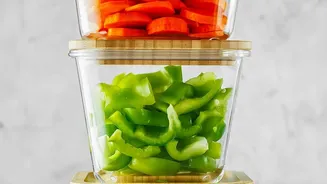
Staples like rice, dal, atta, and sooji are highly susceptible to moisture and pests like weevils, which breed faster in humid conditions. The single most effective habit is to transfer these items from their original paper or plastic bags into completely airtight containers immediately after purchase. Glass jars or high-quality, food-grade plastic containers with tight seals are your best defence. For an extra layer of protection, lightly dry-roasting items like sooji, rava, and flour before storing can eliminate existing moisture and extend their shelf life. Traditional methods like adding a few dried bay leaves or neem leaves to rice and dal containers also act as natural insect repellents.
Keep Spices Pungent, Not Clumpy
Indian cooking relies on a vibrant array of powdered and whole spices, which can quickly lose their potency and form hard lumps during the rains. Store spices in small, airtight glass jars in a cool, dark cabinet away from the stove and sink. Steam from cooking is a major enemy, so avoid opening spice jars directly over a boiling pot. Always use a completely dry spoon for scooping. For powdered masalas that are especially prone to clumping, consider storing them in the refrigerator. Adding a few whole cloves to spice containers can also help deter both moisture and pests.
Handle Produce Strategically
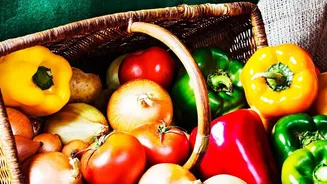
Fresh fruits and vegetables require careful handling. Leafy greens like spinach and coriander are prone to rot and can harbour microbes from contaminated rainwater. It's best to wash them thoroughly only just before use. To store, wrap unwashed greens in paper towels to absorb excess moisture and place them in a perforated or open bag in the fridge. Root vegetables like potatoes and onions should be kept in a cool, dark, and dry place—but not together, as onions can cause potatoes to sprout. Other vegetables like carrots and beets should be refrigerated to maintain their crispness.
Protect Your Snacks and Condiments
Biscuits, chips, and other dry snacks famously lose their crunch in the monsoon. The key, once again, is airtight storage. Transfer them from their packets into sealed jars immediately. For condiments like salt and sugar that absorb moisture and clump, adding a few grains of raw rice or some kidney beans to the jar can act as a natural desiccant, absorbing the excess humidity. Storing biscuits in a glass jar and keeping it in the refrigerator is another effective hack to prevent them from becoming soggy.
Rethink Your Fridge and Freezer Use
The refrigerator is a crucial tool during the monsoon. Perishables like milk, paneer, meat, and fish spoil very quickly and should be refrigerated immediately upon purchase. Store them at the back of the fridge where the temperature is coldest and most stable. Don't store wet produce in the fridge, as this encourages mould. Ensure leftovers are cooled and refrigerated promptly in sealed containers. The freezer is also your friend; you can store nuts, which have a high oil content and can go rancid, in the freezer to extend their shelf life significantly.
Adopt Smart Shopping Habits
During the monsoon, it’s wise to adjust how you shop. Instead of buying in bulk, purchase fresh produce and perishable items in smaller quantities that you can consume within a few days. This minimises the risk of spoilage. When buying vegetables, choose ones that are firm and unbruised, as any damage to the skin provides an entry point for mould and bacteria. Avoiding pre-cut fruits and vegetables is also a good practice, as their exposed surfaces are more vulnerable to contamination in the humid air.