






Start with a Conversation, Not Accusations
Before you print out a list of rules and tape it to the door, call a house or office meeting. The goal is collaboration, not confrontation. Frame the discussion around mutual benefits: less food waste, a cleaner space, and no more frustrating searches
for your own items. Acknowledge that everyone has different habits and aim for a system that’s fair for all. Starting with a calm, open chat prevents the new rules from feeling like a passive-aggressive attack and makes everyone more likely to stick to the plan. This isn't about blaming the person who let the milk expire; it's about creating a system so it happens less often.
Divide and Conquer with Shelf Zones
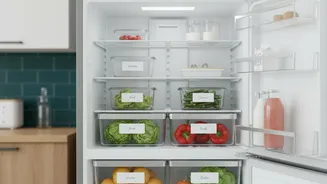
The foundation of any good fridge agreement is designated space. Depending on how many people are sharing, you can assign one shelf per person. If that’s not practical, try dividing each shelf down the middle with tape. This creates clear, physical boundaries and reduces the chances of someone accidentally grabbing your lunch. The crisper drawers can also be split evenly. Designate the door as a communal space for shared items like condiments, butter, or milk, but only after you've all agreed on what will be shared and how it will be restocked. This structure keeps personal groceries organized and makes it immediately obvious when someone is encroaching on another's territory.
The Power of a Simple Label
If a food item doesn't have a name on it, it can be mistaken as communal. To prevent food theft and accidental consumption, the rule should be simple: label everything that is yours. Use a permanent marker and masking tape or purchase waterproof labels. The label should include your name and, just as importantly, the date you put the food in the fridge. This serves two purposes: it clearly establishes ownership and it provides a quick reference for freshness, helping everyone know when something needs to be used or tossed. For leftovers, including a “use by” date (typically 3-4 days after cooking) removes any guesswork.
Establish a Weekly Clean-Out Ritual
Even the best-organized fridge will accumulate old food. The most effective way to combat this is with a scheduled weekly purge. Set a specific time each week—say, Friday afternoon—when everyone is responsible for removing their old or expired items. An office manager or a rotating housemate can be designated to oversee this. The rule can be that anything unlabeled or past its prime gets thrown out, no questions asked. Announcing the clean-out in advance gives everyone a chance to rescue their food, and the consistency prevents the slow build-up of moldy containers and foul odors.
Create an 'Up for Grabs' Section
Sometimes you have perfectly good food you know you won't eat. Instead of letting it go to waste, create a designated 'communal' or 'free-for-all' shelf or bin. This is the perfect spot for leftover pizza from a company meeting, extra produce from a weekend farmer's market run, or that sauce you only needed one tablespoon of. Make sure this area is clearly marked. This simple addition prevents food waste, encourages sharing, and stops people from assuming that any unlabeled item is fair game. It's a win-win that can add a positive, communal spirit to the kitchen.
Agree on Gentle Enforcement
Rules are only effective if they are followed, but enforcement doesn’t have to be punitive. Instead of leaving passive-aggressive notes, which often increase conflict, agree on a system of gentle reminders. If someone consistently leaves unlabeled food, a simple, direct, and friendly text or conversation is more effective. The group can agree on a “one warning” policy for items left to spoil before they are tossed during the weekly clean-out. The key is to address issues as a group and maintain the collaborative spirit you started with, focusing on the shared goal of a cleaner, more functional kitchen for everyone.