



Adjust Your Watering Routine
In a humid environment, the soil in your pots stays moist for much longer because less water evaporates into the air. This is the number one cause of overwatering, which can lead to yellowing leaves, wilting, and root rot. The solution is simple: water less frequently.
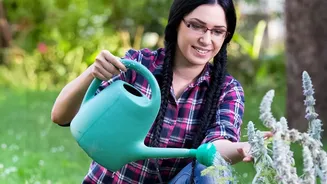
Before reaching for the watering can, use the finger test. Push your finger about an inch or two into the soil. If it feels damp, your plant has enough moisture and you should wait another day or two before checking again. When you do water, do so thoroughly until water runs out of the drainage holes, but make sure to empty any excess water from the saucer underneath. Plants should never be left sitting in standing water.
Prioritise Air Circulation
Stagnant, humid air is a major invitation for fungal diseases like powdery mildew and black spot. Improving airflow around your plants is one of the most effective preventative measures you can take. Start by giving your plants some space. Avoid overcrowding pots on your balcony; even a few inches between them can make a significant difference. You can also prune your plants to improve circulation. Trim away any dense, overgrown branches, as well as any yellowing or dead leaves. This not only allows more air to move through the plant but also directs its energy towards healthy growth. For balconies with very limited natural breeze, a small, oscillating fan set on low for a few hours a day can work wonders.
Guard Against Fungal Foes
High humidity creates the ideal conditions for fungal spores to germinate and spread. Be on the lookout for common signs of trouble, such as white powdery patches on leaves (powdery mildew), black or brown spots (leaf spot), or fuzzy grey mould. At the first sign of infection, isolate the affected plant to prevent it from spreading. Prune away any diseased leaves or stems with clean shears. For a natural and preventative treatment, a neem oil solution can be very effective. It works by disrupting the life cycle of fungi and can help prevent spores from taking hold. Mix a teaspoon of neem oil with a few drops of mild liquid soap in a litre of water, and spray it on the leaves (including the undersides) in the evening to avoid leaf burn.
Check for Root Rot
Root rot is the most serious consequence of soil that stays too wet for too long. When roots are waterlogged, they are deprived of oxygen and begin to decay, which can quickly kill a plant. The tricky part is that the above-ground symptoms—wilting and yellowing leaves—can look just like underwatering, tricking you into watering even more. If you suspect root rot, you must act quickly. Gently remove the plant from its pot. Healthy roots are firm and typically white or light-coloured; rotted roots will be brown, black, and mushy, and may have a foul smell. Using clean scissors, carefully trim away all the affected roots. Repot the plant in fresh, well-draining potting mix and a clean pot with ample drainage holes. Water it sparingly as it recovers.
Mind the Soil and Drainage
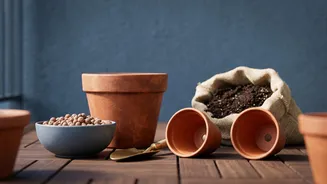
The foundation of a healthy potted plant is its soil and drainage system. Months of heavy rain can compact the soil and wash away essential nutrients. Now is a good time to gently loosen the top layer of soil with a small trowel to improve aeration. Adding a fresh layer of compost or other organic mulch can replenish nutrients and help regulate moisture. Most importantly, ensure every pot has at least one, if not several, drainage holes. If you use decorative pots without holes, always keep your plant in a smaller plastic nursery pot that you can lift out, rather than planting directly into the decorative one. Elevating pots on small feet or bricks can also improve drainage and airflow underneath.