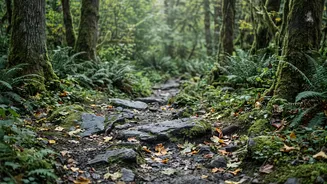








A Symphony of Natural Quiet
Our brains are constantly processing noise, from traffic to notifications, leading to cognitive fatigue. Mountain valleys offer a profound antidote: a deep, restorative quiet. This isn't just the absence of noise, but the presence of natural sounds like
wind through pines or the murmur of a distant stream. Research shows that quiet, natural environments help lower levels of the stress hormone cortisol, reduce blood pressure, and allow the brain's attention centers to rest and recover. This sensory reset calms the nervous system, shifting it from a state of high alert to one of rest and relaxation. Even short periods in a quiet natural space can significantly improve focus and mental clarity, providing a much-needed break from our overstimulated lives.
The Power of Awe and Perspective
Standing in a valley and looking up at towering peaks triggers a powerful emotion: awe. Psychologists define awe as the feeling we get in the presence of something vast that challenges our understanding of the world. Experiencing awe has been shown to quiet the brain's default mode network, the part responsible for self-referential thoughts and rumination, often described as 'mental chatter'. By making us feel small in a good way, awe diminishes the scale of our personal worries and anxieties. Studies have linked experiences of awe to increased feelings of well-being, generosity, and social connection. This shift in perspective is a core component of the mental reset that valleys provide, reminding us that we are part of something much larger than our daily stressors.
The Rhythmic Reset of Trekking
Trekking through a valley is more than just exercise; it's a form of moving meditation. The rhythmic, repetitive motion of walking engages the body in a way that helps to quiet the mind. Research from Stanford University has shown that walking in a natural environment reduces neural activity associated with repetitive negative thoughts, lowering the risk of depression. The physical demands of hiking increase blood flow to the brain, which can boost creative thinking and problem-solving skills by as much as 60 percent. Unlike walking on a treadmill, trekking on uneven terrain requires a level of focus that keeps you anchored in the present moment. This combination of physical activity, fresh air, and 'soft fascination' with the changing landscape is incredibly effective at restoring mental energy.
Fresh Air and a Happier Brain
The air in high-altitude mountain valleys is often cleaner and contains different environmental microbes than urban areas. Spending time in nature and breathing fresh air is associated with a boost in serotonin and dopamine, neurochemicals that contribute to feelings of happiness and motivation. Physical activity in these environments also releases endorphins, the body's natural mood elevators. Some studies even suggest that the specific bacteria found in natural environments can positively influence our gut microbiome, which is closely linked to mental health and our stress response. While the science is still evolving, the subjective feeling of clarity and well-being after a deep breath of crisp mountain air is an experience many hikers report and a key benefit of a valley escape.