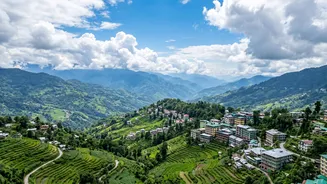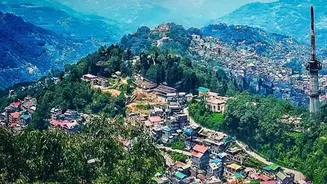






A Different Kind of Hill Station
When you picture a workation in the mountains, places like Manali or Shimla might come to mind. But Gangtok offers something distinct. Known for its remarkable cleanliness, strict adherence to civic rules (like no honking), and a palpable sense of order,
it presents a tranquil environment that feels worlds away from the chaotic charm of other popular tourist towns. This unique atmosphere, influenced by its Buddhist heritage, provides a serene backdrop that is highly conducive to the focused tasks tech roles often demand. The city blends traditional monasteries and evolving cafe culture, creating a space where ancient calm meets modern convenience.
The Promise of 'Quiet Work'
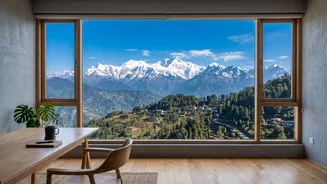
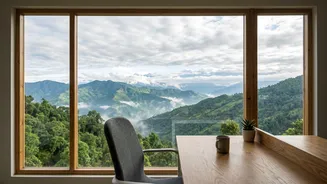
For a software developer debugging complex code or a product manager on back-to-back strategy calls, a quiet environment isn't a luxury; it's a necessity. Gangtok delivers this in spades. The 'quiet' here is twofold: auditory and mental. The absence of city noise pollution is the most obvious benefit. But there's also the mental space that comes from being surrounded by the Himalayas. Waking up to a view of Kanchenjunga rather than a concrete jungle can significantly reduce stress and boost creativity. Co-living hubs amplify this by designing spaces specifically for productivity, offering dedicated workstations and quiet zones where professionals can enter a state of deep work without the distractions of a typical home or a busy cafe.
Connectivity in the Clouds
The biggest question for any digital nomad is always about the internet. A beautiful view is worthless if you can't join a video call. In recent years, Gangtok's connectivity has proven reliable for remote work. Major providers offer stable 4G services, and a growing number of work-friendly hotels, cafes, and co-living spaces provide high-speed Wi-Fi, often with power backup to handle any disruptions. This robust digital infrastructure is a key reason why tech workers feel confident relocating here, knowing their productivity won't be compromised. While connectivity can be sporadic in more remote parts of Sikkim, the capital city itself is well-equipped to handle the demands of the tech industry.
The Co-Living and Community Advantage
Remote work can be isolating. Co-living and workation hubs in Gangtok directly address this by fostering a sense of community. These spaces are more than just a room and a desk; they are curated environments where like-minded professionals can connect, collaborate, and socialise. They attract a mix of freelancers, startup employees, and seasoned tech professionals, creating a vibrant network. This setup removes the logistical hassles of finding an apartment and setting up utilities, offering a plug-and-play solution. More importantly, it provides a ready-made social circle, with community dinners and weekend activities, helping newcomers feel at home instantly.
Affordability and A Balanced Lifestyle
Compared to the high cost of living in tech hubs like Bengaluru or Mumbai, Gangtok offers significant financial relief. While necessities may be slightly more expensive than in plains cities like Siliguri, the overall cost, especially for rent, is considerably lower than in major metros. This financial freedom allows for a better quality of life. After shutting the laptop, professionals can explore stunning landscapes, hike to serene monasteries, enjoy the local cafe scene on MG Marg, or take weekend trips to places like Tsomgo Lake. This seamless blend of work, wellness, and adventure is the core appeal of the Gangtok workation, offering a sustainable alternative to the burnout culture prevalent in big cities.