


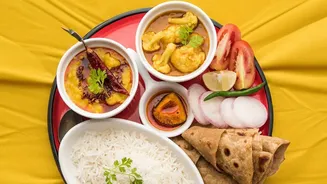
A New Festive Mindset
Gone are the days of an all-or-nothing approach to festive eating—where weeks of strict dieting are followed by guilt-ridden indulgence. Today, a more balanced and sustainable mindset is taking root. The goal is no longer to prohibit favourite foods but
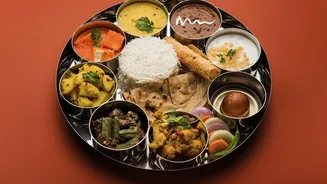
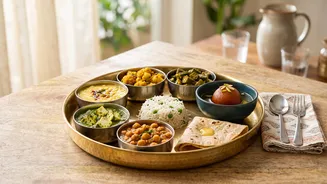
to integrate them thoughtfully into a healthy lifestyle. This approach prioritizes mindful enjoyment over restriction, recognizing that festive foods are a vital part of cultural celebrations. It involves making conscious choices, understanding that one or two indulgent meals won't undo overall progress. The focus has shifted from 'saving calories' for a big feast, which often leads to overeating, to maintaining consistent, balanced meals throughout the day.
Smart Swaps Without Sacrifice
One of the most popular strategies is making simple, healthy ingredient substitutions that don't compromise on flavour. Instead of deep-frying items like samosas or gujiyas, many are now baking or air-frying them for a lighter, less oily crunch. Refined sugar is being replaced with natural sweeteners like jaggery, dates, or date palm jaggery (nolen gur) in sweets like ladoos and kheer. Similarly, refined flour (maida) is giving way to whole grains and millets, such as ragi or oats, which add fibre and nutrients to classics like chaklis and mathris. Even the type of fat is getting an upgrade, with many opting for ghee in moderation over hydrogenated fats.
The Art of Mindful Portioning
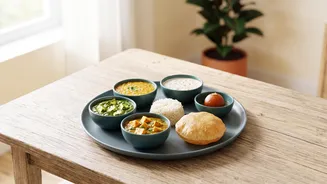
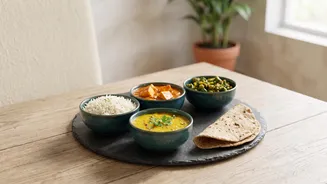
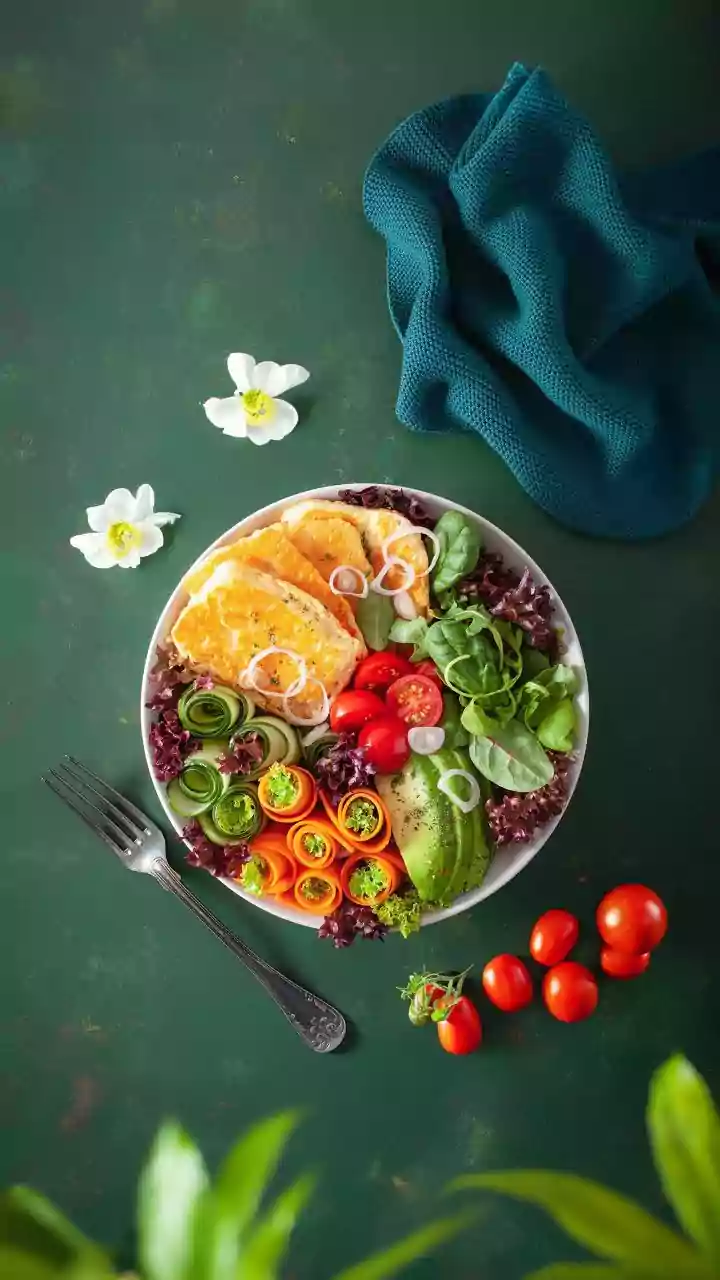
Portion control has become a key mantra for navigating festive spreads. A practical tip gaining traction is the 'half-plate rule': filling half your plate with vegetables or salad first. This leaves less room for heavier dishes and ensures a good intake of fibre. Using smaller plates and bowls is a simple psychological trick to make portions seem larger and more satisfying. Another mindful tactic is to survey the entire buffet before choosing a few favourite items, rather than loading up on a little bit of everything. Eating slowly and savouring each bite also gives the brain time to register fullness, preventing unintentional overconsumption.
Planning and Preparation Are Key
A little planning can make a huge difference. Arriving at a party extremely hungry often leads to making poor food choices. Having a small, protein-rich snack—like a handful of nuts or a bowl of yoghurt—before heading out can curb intense hunger and prevent overindulgence. Hydration is another critical element; drinking water throughout the day can prevent thirst from being mistaken for hunger. When possible, preparing sweets and snacks at home allows for complete control over ingredients, ensuring healthier fats and lower sugar content compared to many store-bought options.
Reimagining Traditional Sweets
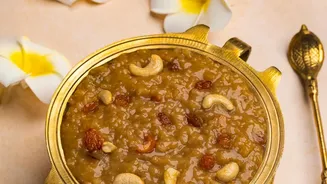
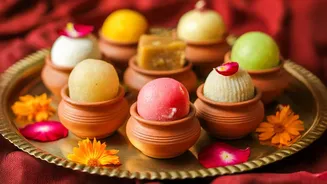
Indian sweets, or mithai, are central to any celebration, and they are also getting a healthy makeover. Ladoos made from dates and nuts, or those incorporating oats and ragi, are becoming popular, providing nutrients and fibre alongside sweetness. Classic desserts are being reimagined with modern twists, such as quinoa kheer, chia seed phirni, or baked fruit-filled samosas. Even traditional recipes like gajar ka halwa are being adapted with jaggery instead of sugar and a more moderate use of ghee. Steamed sweets like modak, made with rice flour, coconut, and jaggery, are being chosen over their deep-fried counterparts.