


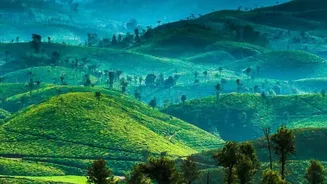

The Unmatched Charm of Tea Gardens
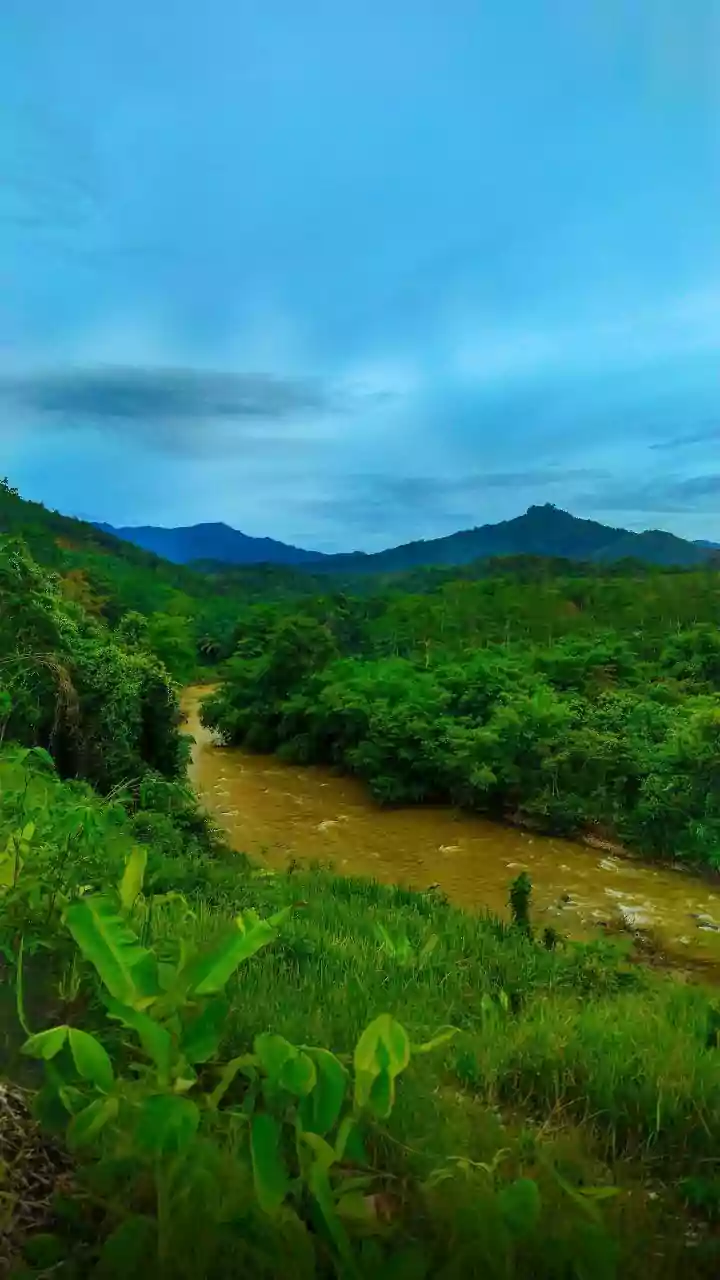
There is perhaps no better time to witness Assam's iconic tea estates than during the monsoon. The relentless rains wash the landscape clean, leaving behind an impossibly vibrant carpet of green. Areas like Jorhat, known as the 'Tea Capital of Assam',
and Dibrugarh become exceptionally beautiful. The air is crisp, filled with the scent of wet earth and fresh tea leaves. Imagine staying in a heritage bungalow, sipping a hot cup of authentic Assam tea while watching the clouds roll over endless plantations. This is not just a visual treat but a deeply calming experience, far from the bustling crowds of the peak tourist season. Many estates offer tours and stays, providing a front-row seat to the serene, rain-drenched beauty of Upper Assam.
Chasing Spectacular Waterfalls
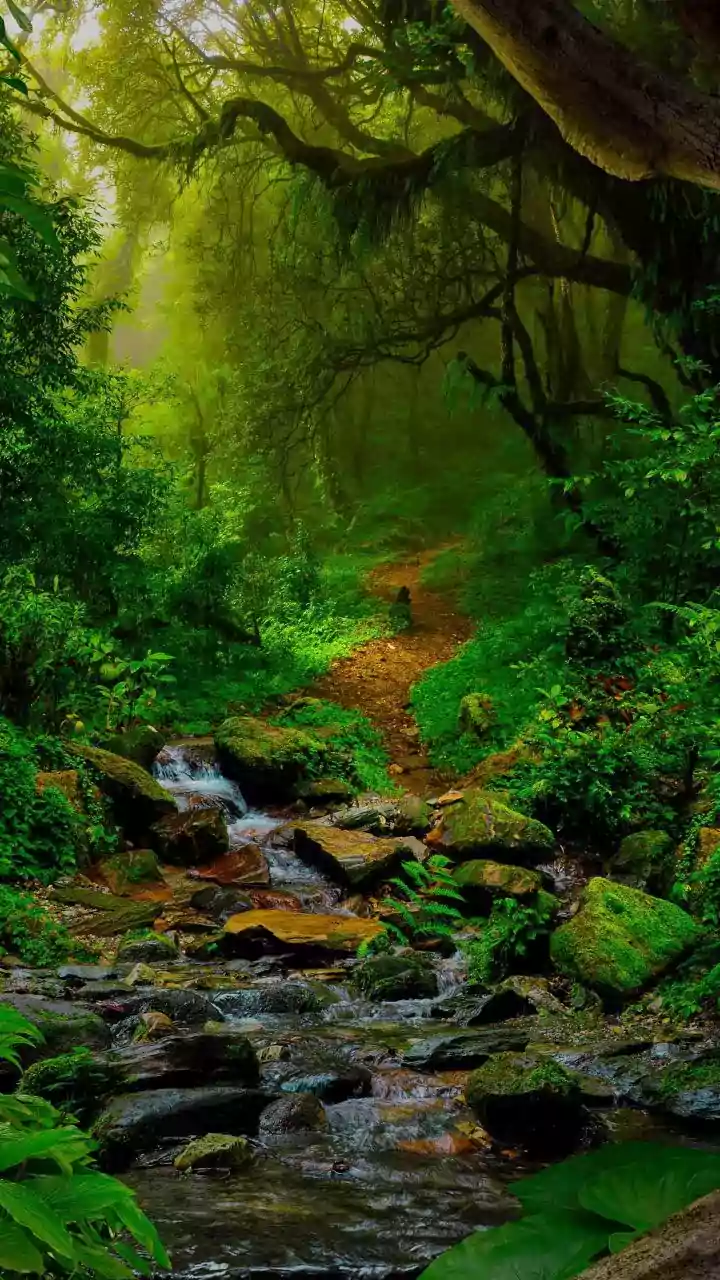
While the rains bring life to the tea gardens, they give raw power to Assam’s waterfalls. What might be a trickle in the dry season becomes a thundering spectacle during the monsoon. The hills of Dima Hasao, particularly around Haflong, come alive with numerous seasonal falls that cascade down rocky cliffs amidst dense forests. One notable destination is Panimoor Waterfall, which becomes a mighty torrent during this time. The journey to these falls is an adventure in itself, with misty roads and lush surroundings creating a mystical atmosphere. The sight and sound of these powerful water bodies, at their absolute peak, is a compelling reason to explore Assam's hilly terrain during the rains.
Wildlife Parks: Know Before You Go
It is crucial for travelers to know that major wildlife sanctuaries have different rules during the monsoon. Kaziranga National Park, a UNESCO World Heritage site, remains closed to visitors from approximately June to October. The park experiences significant flooding from the Brahmaputra River, making safaris impossible. Manas National Park also largely suspends its safari activities for the same reasons. However, this doesn't mean a complete lack of wildlife experiences. Some fringe areas and other sanctuaries like Pobitora Wildlife Sanctuary, known for its dense rhino population near Guwahati, may offer limited access or boat safaris. Always check official sources for the most current information before planning a wildlife-focused trip during this season.
The Misty Hills of Haflong
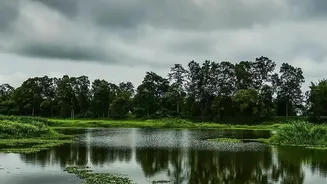
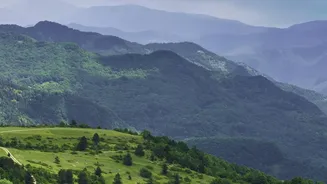
For a change of scenery, head to Haflong, Assam's only recognised hill station. The monsoon cloaks this town in a thick blanket of mist, transforming it into what many call the 'Switzerland of the Northeast'. The hills, covered in lush greenery and orchids, seem to touch the clouds. Haflong Lake, the heart of the town, takes on a serene and mystical quality, reflecting the overcast skies. While the rains can make some roads challenging due to the risk of landslides, the reward is a tranquil retreat with breathtaking views and a cool, pleasant climate. It’s an ideal spot for those looking to find peace, enjoy nature walks on misty trails, and witness the monsoon's dramatic beauty in the hills.
Essential Tips for a Monsoon Adventure
Traveling in Assam during the monsoon requires some preparation. Pack lightweight, quick-drying clothes and a reliable waterproof jacket. Sturdy, non-slip footwear is essential for navigating wet and sometimes muddy terrain. Given the possibility of travel delays due to heavy rain or road conditions, it's wise to build extra buffer days into your itinerary and maintain a flexible schedule. Always check weather forecasts and local advisories before setting out. Carry insect repellent, a power bank for your devices, and sufficient cash, as connectivity and power can be intermittent in remote areas. Embracing the slower pace is key to enjoying a safe and rewarding monsoon journey.