





What Are Inflatable Habitats?
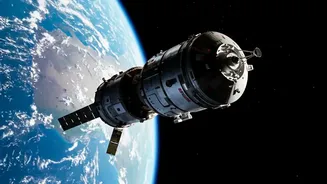
Forget bouncy castles; think high-tech, expandable homes for astronauts. Inflatable habitats are structures made from layers of advanced, flexible materials that are launched into space in a compressed, compact form. Once in orbit, they are inflated to their
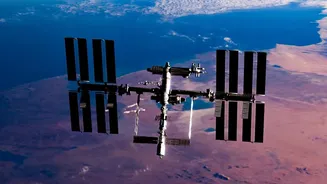
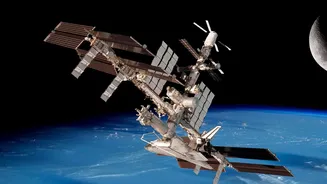
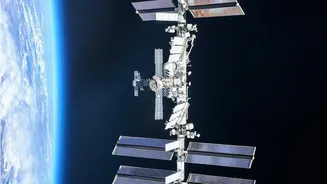
full size, creating a spacious and pressurised environment for living and working. This concept isn't new, with early designs dating back to the 1960s, but recent advancements in material science have finally made them a viable and superior alternative to traditional rigid modules. The technology has already been tested on the ISS itself with the Bigelow Expandable Activity Module (BEAM), which has been attached to the station for years.
The Key Advantage: More Space for Less Mass
The single biggest challenge in building anything in space is getting it there. Launch costs are exorbitant and are calculated by weight and volume. This is where inflatable habitats shine. They can be packed into a fraction of the space required by a rigid module of equivalent size. This incredible packaging efficiency means a single rocket launch can deliver a habitat that, once inflated, offers a far greater interior volume than its metallic counterpart. For instance, Sierra Space’s LIFE habitat module is designed to inflate to the size of a three-story building. This translates to more room for crew amenities, scientific research, and commercial activities, all while dramatically cutting down launch costs.
Are They Safe? Stronger Than Steel
The idea of living in a 'bubble' in the harsh environment of space might sound precarious, but these habitats are exceptionally robust. They are constructed from multiple layers of high-performance fabrics, including Vectran—a material five times stronger than steel—and Kevlar. This multi-layer design provides surprisingly effective protection against micrometeoroid impacts and space debris, often better than the protection offered by traditional aluminum hulls. The flexible layers are designed to absorb and disperse the energy from impacts. Furthermore, they can offer excellent radiation shielding. Companies like Sierra Space conduct rigorous 'burst tests,' inflating prototypes until they explode to prove their strength, consistently exceeding NASA's safety requirements by a significant margin.
The Commercial Frontrunners
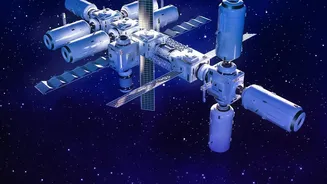
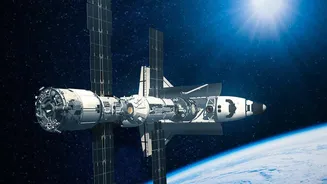
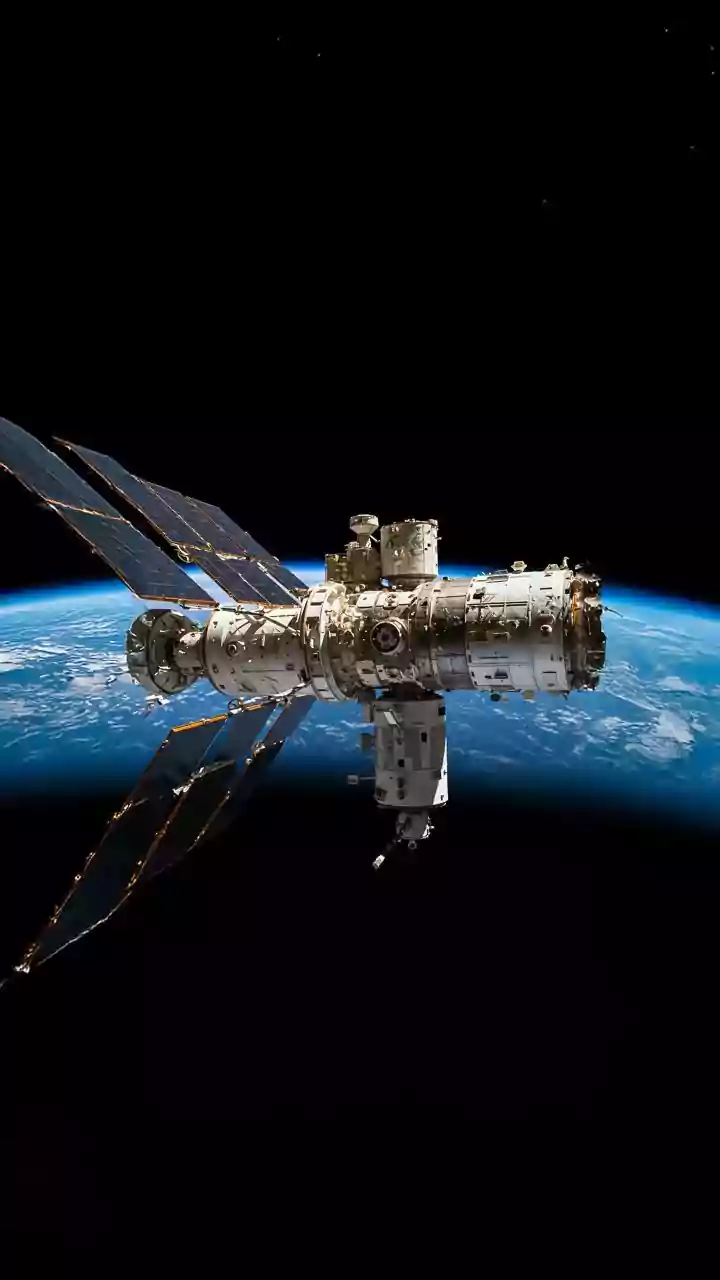
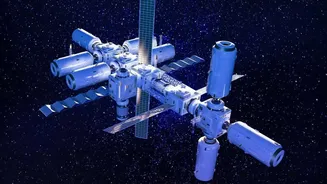
With the ISS set to retire, a new commercial race is on to build its successors, and inflatable technology is at the forefront. Sierra Space is a major player with its Large Integrated Flexible Environment (LIFE) habitat, which will be a core component of the planned Orbital Reef space station, a joint project with Blue Origin. Another key company is Axiom Space, which is already building modules intended to first attach to the ISS before becoming a free-flying commercial station; some of its planned modules will incorporate inflatable technology. Other companies like Vast are also entering the fray, with plans for their Haven-1 station targeting a launch in 2027, aiming to be one of the first free-flying commercial outposts. These ventures aren't just for national space agencies; they're designed as business parks and research labs for a diverse range of private and public customers.
A New Economy in Low-Earth Orbit
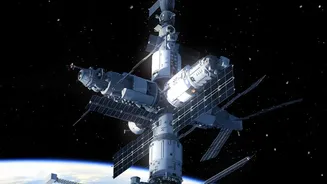
The transition from the government-run ISS to a fleet of commercial stations marks a fundamental shift in how humanity operates in space. NASA is actively encouraging this transition, planning to be a customer of these new commercial outposts rather than an owner. This opens up low-Earth orbit to new industries, from in-space manufacturing and pharmaceutical research to media and tourism. Inflatable habitats are the enabling technology for this vision. Their scalability and lower cost structure make a bustling orbital economy feasible. They represent not just a replacement for the ISS, but an upgrade, promising larger, more flexible, and more accessible platforms for innovation and commerce beyond Earth.