



A Return to the Roots
For a time, modern Indian dining seemed enamoured with global trends, featuring imported ingredients like quinoa and truffle oil. However, a quiet but powerful shift is underway. Chefs and culinary experts across the country are turning their gaze inward,
rediscovering the immense diversity of indigenous produce. This movement is driven by a desire for sustainability, a deeper connection to regional heritage, and the realisation that these hyperlocal ingredients offer a unique palette of flavours. From foraged Himalayan herbs to forgotten coastal fruits, ingredients once confined to family recipes and local markets are now inspiring genre-defying dishes in acclaimed restaurants.
The Mighty Millet's Makeover
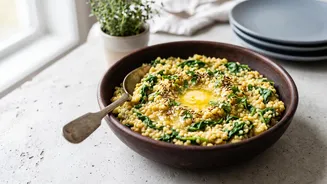
Once dismissed as a 'poor man’s grain', millets are now celebrated for their nutritional value, climate resilience, and incredible versatility. After falling out of favour post the Green Revolution, these ancient grains are being championed by chefs and even the government, which promoted 2023 as the 'International Year of Millets'. On modern menus, millets are shedding their rustic image. They are being transformed into creamy risottos, hearty salads, and even gourmet desserts like phirni and kheer. This revival not only adds exciting textures and flavours to contemporary dishes but also supports agricultural biodiversity and empowers farming communities.
Jackfruit: The Versatile Star
Raw jackfruit, or 'kathal', has long been a staple in household curries and subzis. Its meaty texture, however, has caught the imagination of modern chefs who are treating it with newfound reverence. In today's culinary landscape, jackfruit is being celebrated as a plant-based hero, starring in everything from tandoori-style tacos to cutlets inspired by family recipes. Chef Regi Mathew of Kappa Chakka Kandhari in Kerala, for instance, creates dishes like tender jackfruit (idichakka) cutlets, showcasing how traditional preparations can inspire contemporary offerings. This evolution highlights a broader trend of looking at familiar vegetables through a new lens, unlocking their potential far beyond their traditional roles.
The Superfood Spotlight: Moringa and More
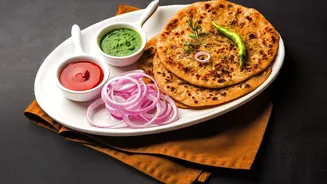
Moringa, or the drumstick tree, has been a fixture in South Indian kitchens for centuries, valued in Ayurveda and used in dishes like sambar and dal. Now, this 'superfood' is gaining global recognition for its immense health benefits, rich in vitamins and antioxidants. In India, chefs are creatively incorporating its leaves, which have a mild, earthy taste, into everything from parathas and dosas to flavour-packed chutneys and energising smoothies. Beyond moringa, other regional treasures are also being rediscovered. Kokum, a souring agent from the Konkan coast, is being used for its clean, berry-like acidity in marinades and sorbets, while obscure spices like the lichen 'kalpasi' (stone flower) are lending their unique earthy aromas to sophisticated dishes.
Chefs Leading the Charge
This ingredient-first movement is championed by visionary chefs. Chef Prateek Sadhu at his restaurant NAAR in Himachal Pradesh celebrates Himalayan heritage by using locally foraged and grown ingredients like sea buckthorn and dandelion. In Mumbai, restaurants like The Bombay Canteen and Masque are at the forefront, with Chef Varun Totlani of Masque transforming ingredients like prickly pear into sorbet and using innovative techniques on traditional foods. Similarly, Chef Manish Mehrotra has long been praised for elevating regional dishes with contemporary twists, incorporating items like lotus root into his famous chaats. These chefs are not just cooking; they are acting as curators of India's culinary biodiversity, bridging the gap between ancient food wisdom and modern gastronomic excellence.