




What Exactly Is a Pickled Accent?
For years, the word 'garnish' brought to mind a sad sprig of parsley, a limp lemon wedge, or a lone olive drowning in a martini. But a quiet revolution has been brining in the background. Enter the 'pickled accent' — a sophisticated, flavour-packed garnish that
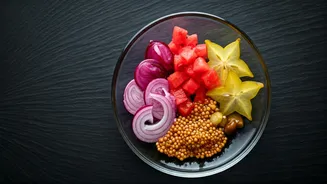
does more than just look pretty. It’s an intentional flavour component. We’re talking about everything from slivers of tangy pickled onion and crisp watermelon rind to surprising textures like plumped-up mustard seeds, sour green almonds, or even sweet and spicy pickled cherries. These aren’t the mass-produced pickles you find in giant jars. They are often house-made, featuring unique spice blends and high-quality produce, designed to add a sharp, acidic, or funky counterpoint that elevates the entire dish or drink. They represent a move away from garnish as an afterthought and towards garnish as a critical element of the flavour profile.
The Flavour and the 'Flex'
So, why now? Why are these tangy tidbits suddenly the coolest thing in the culinary world? The answer is twofold. First, there's the flavour. A well-placed pickled element can cut through richness, add complexity, and make every bite more interesting. That zesty pop of acidity from a pickled carrot sliver on a rich paté or the spicy-sweet kick of a pickled grape next to grilled paneer creates a dynamic contrast that chefs and savvy home cooks crave. But beyond taste, it’s a 'flex' — a quiet signal of skill and sophistication. Making your own pickles shows dedication, knowledge of fermentation, and a commitment to reducing food waste by preserving ingredients that might otherwise be discarded, like citrus peels or vegetable stems. In a world of instant gratification, a beautiful jar of house-pickled ramps or beet stems on a restaurant’s bar top says, 'We care, we plan, and we have good taste.'
On the Plate and In the Glass
This trend is cropping up everywhere, from high-end tasting menus to your neighbourhood cocktail bar. Mixologists are swapping out boring olives for pickled pearl onions, spicy green beans, or even pickled okra in their Martinis and Bloody Marys. A Gin & Tonic might get an upgrade with a ribbon of pickled cucumber or a few tangy gooseberries. On the food side, the possibilities are endless. Imagine a creamy burrata salad punctuated with sharp, pickled peaches. A hearty bowl of dal could be brightened with a spoonful of quick-pickled onions. Chefs are sprinkling pickled mustard seeds over seared fish for a caviar-like pop, or topping tacos with finely shredded pickled radish for crunch and tang. It’s a versatile technique that adds a signature touch and a burst of unexpected flavour to familiar dishes.
The Indian Achaar Connection
While this might feel like a new global trend, the concept is deeply familiar in India. We are a culture of pickles. The art of 'achaar' is a cornerstone of our culinary heritage, a time-honoured method of preserving seasonal bounty with oil, salt, and a complex blend of spices. From the fiery mango pickles of the north to the subtler lemon pickles of the south, we have always understood the power of a pungent, preserved condiment to transform a simple meal of rice and dal. This new wave of 'pickled accents' is essentially a modern, globalised interpretation of what Indian kitchens have done for centuries. It's taking that core principle of preservation and flavour concentration and applying it in new contexts — as a delicate garnish on a modern plate or a surprising twist in a cocktail, rather than just a condiment on the side.
Join the Pickling Renaissance
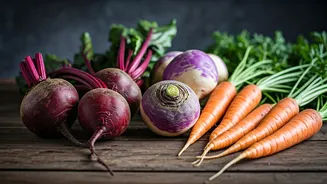
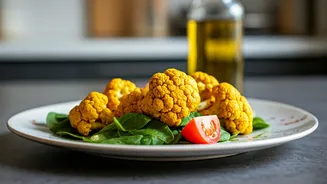
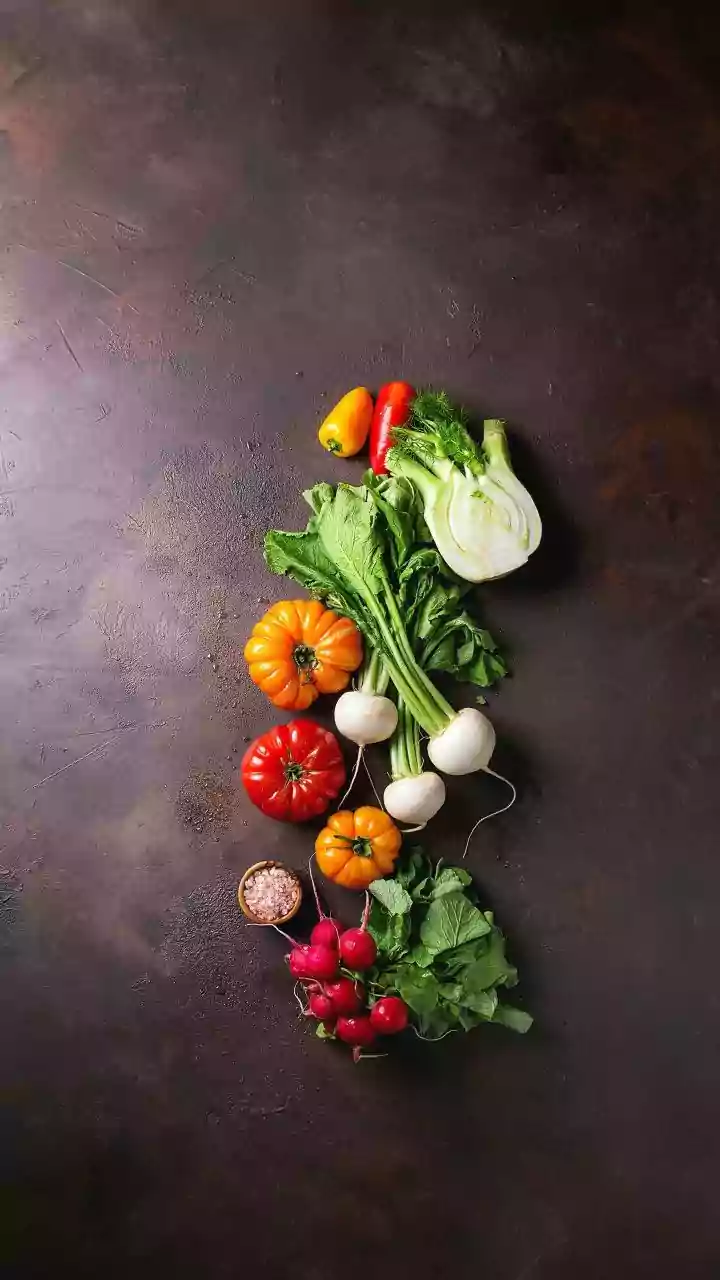
The best part about this trend is its accessibility. You don’t need to be a professional chef to get involved. The easiest entry point is making 'quick pickles' or 'refrigerator pickles'. This method doesn't require complex canning and sterilisation. You simply create a brine — typically a mixture of vinegar, water, salt, and sugar — and pour it over your chosen sliced vegetable or fruit in a clean jar. Add some spices like peppercorns, mustard seeds, or dill, and let it sit in the fridge for a day or two. Carrots, radishes, cucumbers, onions, and even cauliflower florets are fantastic candidates. In just a short time, you'll have your own custom-made pickled accents to elevate sandwiches, salads, cheese boards, and even your evening drink, earning you some serious foodie cred with minimal effort.