





The Big Question: Will You Pay More to Use UPI?
Let's clear this up first: for the vast majority of your daily transactions, nothing changes. The government and the National Payments Corporation of India (NPCI) have confirmed that consumers will not pay any fees for using UPI. Sending money to friends
and family (person-to-person or P2P) remains completely free, no matter the amount. Likewise, most of your payments to merchants, like at your local kirana store or for your morning chai, will continue to be free. Over 95% of all merchant transactions are below ₹2,000, and this entire bracket remains free of any new charges. The recent headlines about new charges are focused on something called the Merchant Discount Rate (MDR), which is a fee paid by merchants, not customers, for certain high-value transactions.
Understanding the New Merchant Fee
Starting October 15, 2026, a 0.4% MDR will apply to specific person-to-merchant (P2M) transactions valued above ₹2,000. For very large payments of ₹75,000 or more, this fee is capped at a maximum of ₹300. It’s crucial to understand this is a charge on the business receiving the money, not on the person paying it. Banks have been specifically advised to ensure that merchants do not pass this cost on to customers. Why introduce this now? For years, the UPI system has operated on a zero-fee model to encourage adoption. This new, structured fee for larger transactions is designed to make the digital payments ecosystem financially self-sustainable. The revenue helps cover the costs of running the infrastructure, enhancing security, and driving further innovation.
Beyond Fees: New Features to Simplify Payments
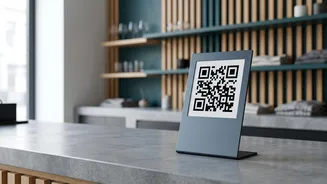
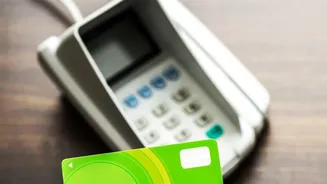
The latest framework isn’t just about fees; it also introduces several new features designed to make UPI even more convenient. One of the most talked-about is 'UPI Tap & Pay'. If you have an NFC-enabled smartphone, you can now simply tap your phone on a compatible merchant terminal to pay, much like you would with a contactless card. This is faster than scanning a QR code and even works without an active internet connection on your phone, making it useful in low-network areas. Another key update is the expansion of UPI Lite, which acts like a small digital wallet on your phone for quick, low-value payments up to ₹500 without needing a PIN for every transaction. There are also new features like linking pre-approved credit lines from your bank to UPI, allowing you to pay now and settle with the bank later for certain transactions. These additions show that UPI is evolving from a simple payment tool into a comprehensive financial ecosystem.
Higher Limits and Better Security
To make UPI more useful for big-ticket expenses, the transaction limit for specific categories has been increased. You can now pay up to ₹5 lakh in a single transaction for hospital bills, educational fees, and tax payments. This removes the hassle of splitting large, important payments into multiple smaller ones. For most other day-to-day transactions, the standard limit of ₹1 lakh per transaction remains in place. On the security front, new RBI guidelines mandate a stronger two-factor authentication for digital payments, which must include at least one dynamic element. This aims to reduce fraud by moving beyond static credentials like your UPI PIN, making the system safer for everyone.
So, What’s the Bottom Line for You?
For the average consumer, the core UPI experience remains unchanged: it's still fast, easy, and free for almost all everyday needs. You can continue sending money to friends, paying your local vendors, and settling small bills without a second thought. The introduction of an MDR on large merchant transactions is a behind-the-scenes change aimed at ensuring the long-term health of the digital payment network that has become a pillar of India's economy. You don't need to do anything differently, but it’s helpful to know why these changes are being made. The new features like Tap & Pay and expanded limits are genuine upgrades, making the system more powerful and versatile than ever before.