






Assess Your Skin Before You Change Anything
Before you swap any products, take a moment to listen to your skin. The primary reason for seasonal skincare adjustments is the drop in humidity, which pulls moisture from your skin. If your face feels tight after cleansing, looks flaky around the nose,
or your usual moisturiser isn't lasting the day, these are clear signs your skin needs more support. However, if your routine is working and your skin feels balanced and comfortable, there's no need for a dramatic change. A complete overhaul is rarely necessary; small, targeted tweaks are usually more effective.
Consider a Creamier Cleanser
That foaming gel cleanser that felt so refreshing during humid summer months might be too harsh for autumn. Foaming formulas are designed to cut through sweat and oil, but as the air gets drier, they can strip the skin of the natural lipids it needs to maintain its protective barrier. The result is that tight, 'squeaky clean' feeling that's actually a sign of dryness. For fall, consider switching to a gentler, more hydrating option like a cream, milk, or balm cleanser that cleans without stripping moisture.
Layer Up on Hydration
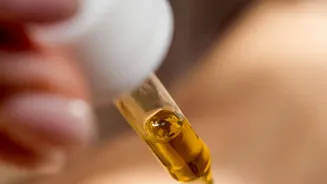
Just as you layer your clothes in October, you may need to layer your skincare. Your lightweight summer lotion might not be enough to combat the drier air. Now is the time to introduce a richer moisturiser, particularly one with ingredients like ceramides, hyaluronic acid, or glycerin. These ingredients help strengthen the skin's barrier and lock in moisture. For an extra boost, you can layer a hydrating serum containing hyaluronic acid under your cream to draw moisture deep into the skin.
Adjust Your Exfoliation Schedule
Exfoliation is still important in the fall to slough away dead skin cells, but you may need to be more mindful. A skin barrier that's already stressed by cold, dry air is more vulnerable to irritation from aggressive scrubbing or strong chemical exfoliants like glycolic acid. If your skin feels sensitive, consider reducing exfoliation to one or two times a week and switching to a gentler option, such as a product with lactic acid. The goal is to brighten the skin, not strip it.
Don’t Put Away the Sunscreen
This is the one step you absolutely should not change. It's a common mistake to think that sunscreen is only for sunny summer days. However, harmful UVA rays, which are responsible for premature aging and pigmentation, are present year-round and can penetrate through clouds and windows. According to the Skin Cancer Foundation, UV exposure is cumulative over a lifetime, so consistent protection is critical. Dermatologists recommend using a broad-spectrum sunscreen with an SPF of 30 or higher every single day, no matter the season.
What You Can Probably Keep
While some adjustments are helpful, many core parts of your routine can stay. If you have a trusted Vitamin C serum for brightening, a niacinamide product for balance, or a gentle eye cream you love, there is no need to discard them as long as your skin is tolerating them well alongside more hydrating products. The same goes for any targeted treatments for concerns like acne or rosacea. The key is to support these 'active' steps with adequate moisture to prevent irritation as the weather changes. If you begin a new active ingredient like retinol, fall is a great time, but start slowly and buffer it with plenty of hydration.