








The Problem with Pellets
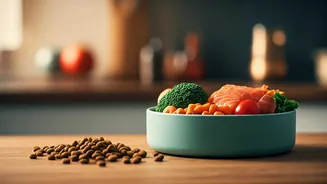
For decades, dry kibble has been the default choice for pet owners, prized for its convenience and long shelf life. However, a growing number of Indian pet parents are now questioning this norm. Concerns are rising about what goes into these highly processed
pellets. Many traditional kibbles are made using high-heat processing, which can strip away vital nutrients from the original ingredients. To compensate, manufacturers often add synthetic vitamins and minerals, which may not be as easily absorbed by a pet's body. Furthermore, critics point to the use of fillers, grains, artificial preservatives, and low-quality meat by-products as potential sources of health issues, including allergies, digestive problems, and obesity. As owners become more informed, they are seeking more transparency and quality in what they feed their furry family members.
The Fresh Food Philosophy
Enter fresh meal services. These companies offer a simple, powerful promise: pet food made from real, recognizable ingredients, just like the food humans eat. Think of them as meal-kit services for dogs and cats, delivering pre-portioned, nutritionally balanced meals to your door. These diets typically feature whole ingredients like chicken, lamb, fish, carrots, and sweet potatoes that are gently cooked to preserve their nutritional integrity. Proponents claim a host of benefits, including improved digestion, healthier skin and a shinier coat, increased energy levels, and better weight management. The high moisture content in fresh food also helps with hydration, which is crucial for kidney and digestive health. This focus on whole, minimally processed ingredients is resonating deeply with a new generation of pet owners who view their pets as family.
Explosion of Local Startups
This shift in consumer mindset has ignited a boom in India’s pet food market, which is expected to grow significantly. While large multinational brands still dominate the overall market, a wave of local startups is making its mark in the fresh food space. Cities like Bengaluru, Mumbai, and Delhi are seeing a surge in direct-to-consumer (D2C) brands that cater to pet owners seeking premium, locally-sourced options. These companies leverage the power of e-commerce and quick-commerce delivery to reach a wide customer base, offering convenience that rivals traditional retail. This 'Made in India' movement for pet food is gaining ground as pet parents increasingly move away from feeding table scraps or generic kibble, creating a vibrant and competitive local industry.
The Vet's Verdict and Cost Question
The transition to fresh food isn't without its complexities. The veterinary community's stance has been evolving. While historically cautious due to concerns about nutritional balance and the risks of raw or improperly prepared homemade food, many vets are becoming more open to well-formulated commercial fresh diets. Experts stress the importance of choosing brands that work with veterinary nutritionists and adhere to established nutritional standards to ensure meals are complete and balanced. Then there is the matter of price. Fresh food is almost always more expensive than kibble, which can be a significant barrier for many households. However, for a growing number of pet owners, the potential for improved health and a closer bond with their pet makes it a worthwhile investment. They see the higher cost not as an expense, but as a down payment on their pet’s long-term well-being.