


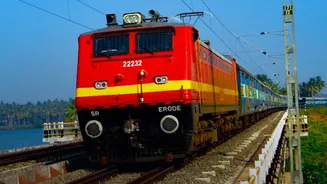
A New Golden Age for Indian Railways
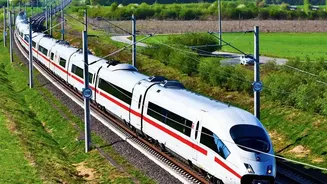
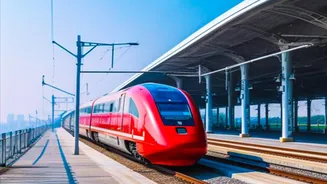
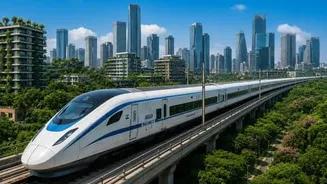
The most visible symbol of this change is the Vande Bharat Express. These semi-high-speed trains have redefined rail travel with their modern amenities, faster speeds, and improved comfort, cutting down journey times significantly on major routes. But
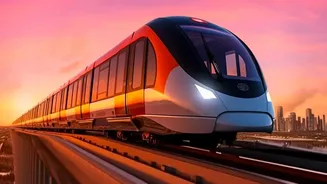
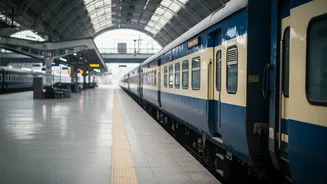
the transformation doesn't stop with daytime travel. The much-anticipated Vande Bharat sleeper trains began rolling out in early 2026, offering a comfortable alternative for overnight journeys. The first service was launched between Howrah and Guwahati, promising to revolutionise long-distance travel. This focus on upgrading the rail network is a core part of a broader strategy to modernise infrastructure and provide world-class facilities to passengers, making train travel a more attractive option than ever.
The Rise of the Premium Bus
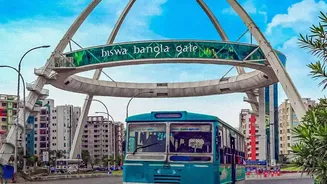
While trains get an upgrade, India's roads are seeing their own revolution. The humble intercity bus, once considered a last resort, is getting a premium makeover. A new generation of bus operators is offering services that rival airline business class, with features like sleeper berths, on-board attendants, privacy curtains, and clean lounges. What's more, a significant push towards electrification is making these journeys smoother, quieter, and more environmentally friendly. The electric bus market in India is growing rapidly, with registrations increasing by 40% in the first half of 2026. This shift is driven by both government schemes and the clear economic advantage for operators, as electric buses have much lower running costs compared to their diesel counterparts, especially when fuel prices are volatile.
Taking to the Waterways
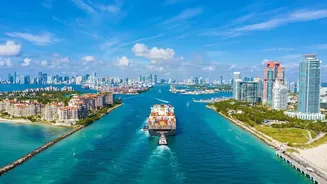
Beyond land, India is rediscovering its vast network of inland waterways. With 32 national waterways already operational and more in development, water transport is emerging as a viable alternative for both cargo and passenger movement. The government has set an ambitious target to double the share of waterway transport by 2047, recognising its potential as a cost-effective and sustainable mode of transit. In cities like Mumbai, water taxi services have been launched to connect key points across the harbour, such as Navi Mumbai and South Mumbai, slashing travel times and easing road congestion. These services are part of a larger plan to develop water metro projects in multiple cities, using India's rivers and coastlines to create new corridors for mobility.
Connecting the Unconnected Skies
The expansion isn't just happening on the ground and water. The government's UDAN (Ude Desh ka Aam Nagrik) scheme has been instrumental in boosting regional air connectivity. By making flying more affordable and connecting dozens of previously unserved or underserved airports in Tier-II and Tier-III cities, the scheme has brought air travel within reach of the common citizen. Since its inception, the program has operationalised hundreds of new routes, connecting remote areas and boosting tourism and economic activity in places that were once hard to reach. This has added yet another layer to the country's transportation matrix, ensuring that even smaller towns have a link to the national aviation network.
An Integrated Future of Travel
This multi-modal expansion is no accident. It is the result of a concerted push to build a modern, integrated, and sustainable transport ecosystem. The focus is on providing travellers with a portfolio of choices tailored to their budget, time, and comfort preferences. Whether it's a high-speed train for a business trip, a luxury sleeper bus for a weekend getaway, a water taxi to bypass city traffic, or a regional flight to a remote destination, the options are multiplying. This strategic investment in infrastructure not only enhances passenger convenience but also acts as a powerful engine for economic growth, connecting markets, creating jobs, and bridging the urban-rural divide.