







Winter is perfect for family picnics and park visits, but the crisp air often hides a health hazard: severe pollution. Making informed decisions is key to safe fun. Here’s how to track air quality and protect your loved ones.
Why Winter Air Gets Worse
Ever notice how smog seems
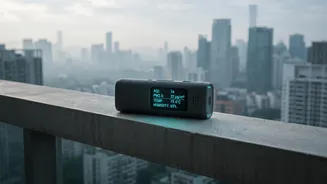
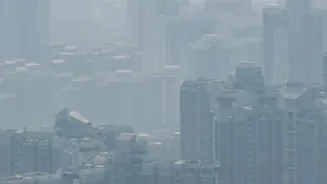
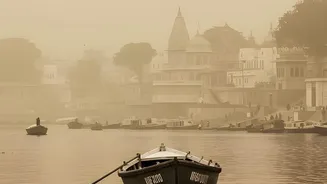
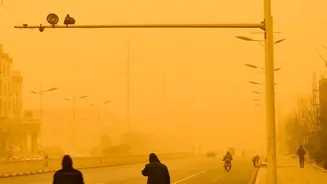
to hang heavier on cold winter mornings? This isn't your imagination. The phenomenon, called temperature inversion, is common across India during winter. A layer of warmer air high above traps the colder, denser air near the ground. This 'lid' prevents pollutants from vehicles, industry, and seasonal activities like stubble burning from dispersing. The result is a toxic cocktail of particulate matter (PM2.5 and PM10) and other harmful gases that become concentrated right where we breathe, turning a planned day out into a potential health risk.
Decoding the Air Quality Index (AQI)
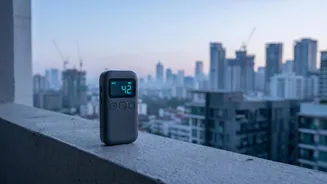
The Air Quality Index, or AQI, is a simple tool launched by the Indian government to communicate complex pollution data. It converts measurements of eight key pollutants, including PM2.5 and PM10, into a single number from 0 to 500, with a corresponding colour and health advisory. The categories range from 'Good' (0-50) to 'Severe' (401-500). For families, knowing the AQI helps decide if it's safe for children, the elderly, or those with respiratory issues to play outside. An AQI over 100 ('Moderate') calls for caution for sensitive groups, while anything over 200 ('Poor') means everyone should reduce outdoor exertion.
Sameer: The Official CPCB App
For the most authoritative data, Sameer is the go-to source. It's the official app of the Central Pollution Control Board (CPCB), pulling real-time information directly from the government's nationwide network of monitoring stations. This means the data is unfiltered and is the same information used for official health advisories. While its interface may be simpler than others, its credibility is unmatched. The app provides hourly AQI updates for cities across India and includes a breakdown of major pollutants. It also features a function to log air pollution-related complaints.
SAFAR_Air: The Forecasting Specialist
Developed by the Ministry of Earth Sciences, the SAFAR (System of Air Quality and Weather Forecasting and Research) app is essential for planning ahead. It provides city_specific pollution data and, crucially, offers forecasts for the next few days. This is invaluable for deciding whether to schedule that weekend trip or outdoor birthday party. SAFAR is currently focused on major metro areas like Delhi, Mumbai, Pune, and Ahmedabad. It not only gives AQI values but also provides health advisories and identifies primary pollutants, helping you understand what's in the air you're breathing.
IQAir AirVisual: The Global Perspective
IQAir AirVisual is a popular international app known for its polished interface and comprehensive global data, covering over 500,000 locations. It offers real_time readings, 7_day forecasts, and detailed information on specific pollutants, including wildfire smoke. One key thing to note is that IQAir often uses the US EPA's AQI scale by default, which has different pollution thresholds than India's CPCB scale. This can sometimes make the air quality appear worse than on Indian apps, but it provides a useful, health_conscious comparison. It is particularly strong for its world pollution maps and historical data.
Other Reliable Options
Several other apps provide hyperlocal and user_friendly experiences. 'AQI India', for instance, aggregates data from multiple sources to give granular readings, sometimes down to the neighbourhood level. 'Plume Labs', now part of AccuWeather, uses AI and atmospheric models to provide street_level pollution maps and forecasts, helping you choose cleaner routes for walks or jogs. For those with allergies, 'BreezoMeter' and 'Ambee' are excellent choices as they often integrate pollen data alongside AQI readings, giving a more complete picture of airborne irritants.