






A New Mindset for Modern Travel
For years, the conversation around sustainable travel has been framed by carbon footprints and environmental guilt. While those factors remain crucial, a more immediate and personal reason to be climate-aware has emerged: your own comfort and safety.
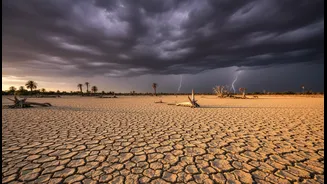
Extreme weather events are no longer distant threats but present-day realities that can derail the most carefully planned trips. Scorching heatwaves, unpredictable storms, and widespread wildfires are increasingly impacting popular tourist destinations, forcing a shift in how we think about travel. It's no longer just about choosing eco-friendly tour operators; it’s about pragmatically planning to avoid a holiday disaster. This new mindset reframes climate awareness from a purely ethical choice to a savvy travel strategy.
The Uncomfortable Truth of Extreme Heat
One of the most tangible impacts of a warming planet is the rise in extreme heat, particularly during peak summer months. Southern Europe, long a favourite for summer holidays, now regularly experiences temperatures soaring above 40°C. Trying to explore ancient ruins in Athens or wander the streets of Rome becomes less of a dream and more of an endurance test. Tourists are often more vulnerable than locals, as they spend more time outdoors and may not be accustomed to such intense heat. The result isn't just discomfort; it’s a diminished travel experience. Instead of enjoying leisurely afternoons, travellers find themselves confined indoors, waiting for the sun to relent, and many historic buildings lack modern air conditioning. This reality is pushing tourists to reconsider not just where they go, but when.
Prioritising Safety in an Unpredictable World
Beyond discomfort, extreme weather poses significant safety risks. Wildfires can sweep through tourist areas, forcing evacuations and closing access to natural parks. Severe storms and flooding can render destinations uninhabitable, leading to trip interruptions and cancellations. In January 2026, a massive winter storm in the US led to over 10,000 flight cancellations, while severe storms in France caused widespread disruptions in July 2026. This makes comprehensive travel insurance more important than ever. It's crucial to purchase a plan before a storm is named or a weather event becomes foreseeable, as policies typically won't cover events that are already known. Reading the fine print to understand what is covered—from natural disasters to mandatory evacuations—is a critical step in modern travel planning.
The Rise of the 'Shoulder Season'
The smartest response to these challenges is rethinking the timing of your travel. The traditional peak seasons of June through August are becoming less appealing in many parts of the world. Instead, savvy travellers are embracing the “shoulder seasons”—the periods just before and after peak season, like April-May and September-October in Europe. Travelling during these times offers a triple benefit. The weather is often more pleasant and mild, avoiding the oppressive heat of mid-summer. With fewer crowds, you can experience iconic sights without the long queues and enjoy a more authentic atmosphere. And, not least, prices for flights and accommodation are often significantly lower. This shift is becoming so pronounced that some experts see shoulder season as the new prime time for travel.
Practical Steps for Your Next Trip
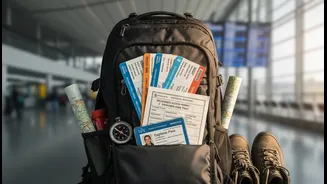
Adapting your travel plans doesn't require abandoning your dream destinations, just a smarter approach. First, research recent weather patterns, not just historical averages. Look at data from the last few years to understand current trends. Second, when booking, choose flexible options for flights and hotels where possible. Many airlines now issue travel waivers ahead of major storms, allowing passengers to change their plans without a fee. Third, pack for a wider range of conditions. Include layers, rain gear, and sun protection. Finally, consider destinations that are actively promoting sustainable and year-round tourism, as they are often better prepared and offer a more rewarding experience outside of the crowded peak months. By integrating these simple steps, you take control, ensuring your holiday is memorable for all the right reasons.